
Baby Sleep Music, Sleep Bags & Swaddles: What Actually Works in Australia 2026
If you are reading this at 3am with one thumb, rocking a baby who will not settle, I see you. The mix of safe-sleep worry and pure exhaustion is a specific kind of hard, and it gets sharper around the third trimester when you are trying to set up a nursery, and again around four months when the sleep that was working suddenly stops working. Everyone has an opinion. Very few of those opinions come with actual specs or the Australian Standard behind them.
So this is the version I wish someone had handed me: what to look for in a sleeping bag, what a safe swaddle actually needs to do, and whether baby sleep music is a genuine tool or just a nice idea. No miracle claims. Just the real trade-offs, the standard numbers that matter, and honest picks you can search by name.
One quick promise before we start: nothing here replaces the Red Nose safe-sleep advice (baby on the back, feet-to-foot, clear cot, no loose bedding). The products below are meant to work with that, never around it.
How baby sleep music actually helps (and its limits)
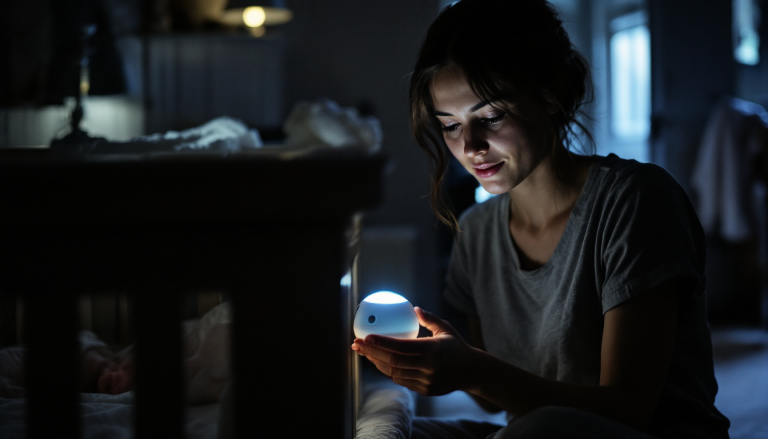
Let’s start with the thing most parents reach for first, because it is the cheapest to try: baby sleep music. The honest version is that it does two useful, unglamorous things. It masks the sudden noises that jolt a light sleeper awake (a door, a sibling, a delivery van), and it becomes a consistent sleep cue your baby’s brain learns to associate with settling. That is it. It is not a switch that turns a wired baby off.
For newborns, steady white noise or pink noise tends to work better than melodic lullabies, because it more closely resembles the constant whoosh they heard in the womb. As babies get older, many families move to gentle repetitive lullabies or the same short playlist every night, precisely because the repetition is the point. The magic is not the tune, it is the sameness.
A few practical guardrails from paediatric audiology advice that circulate widely in Australia: keep the volume low (a common rule of thumb is no louder than a soft shower, and place the device well away from the cot, not inside it), and consider letting it run at a low continuous level rather than a device that clicks off after ten minutes, which can wake a baby at the transition. You do not need a dedicated machine at all if you have a phone and a small speaker across the room, though a purpose-built unit means you are not tied to your phone at bedtime.
Where music genuinely earns its place is the four-month regression. When sleep cycles mature and your baby starts surfacing between cycles, a steady sound cue gives them something familiar to resettle into. It will not fix an overtired or hungry baby, but it removes one variable, and at four months, removing variables is everything.
What to look for in a sleep bag or swaddle
This is the part that actually keeps babies safe, so it is worth slowing down for. A sleep bag or swaddle is not just cosy, it is a substitute for loose blankets, which is why the fit and the fabric rating matter so much.
- The right TOG for the room: TOG is a warmth rating. A lighter TOG (around 0.5 to 1.0) suits warmer Australian nights and most centrally heated rooms, while a higher TOG (2.5) suits genuinely cold winter rooms. Getting this right matters more than any brand, because overheating is a real safe-sleep risk.
- Neck and armhole fit: the neck opening should be snug enough that a young baby cannot slip down inside the bag. This is the single most important sizing check, especially for that anxious first-night-home feeling.
- Sleepwear flammability: look for garments that reference AS/NZS 1249, the standard covering the fire hazard of children’s nightwear. It governs labelling and fabric behaviour, and it is the touchstone worth checking on any sleepwear.
- Hip-healthy shape: a bag or swaddle should let the legs bend up and out at the hips, not be forced straight. Products acknowledged by hip-health organisations flag this clearly.
- Swaddle exit plan: swaddles are for newborns only, until the first signs of rolling. A design that transitions to arms-out saves you buying twice and, more importantly, keeps you safe when rolling starts.
- Washability: you will wash this constantly through reflux, leaks and the 2am wardrobe change. Fast-drying, tumble-friendly fabric is not a luxury with a newborn, it is survival.
Best baby swaddle wraps for the newborn weeks
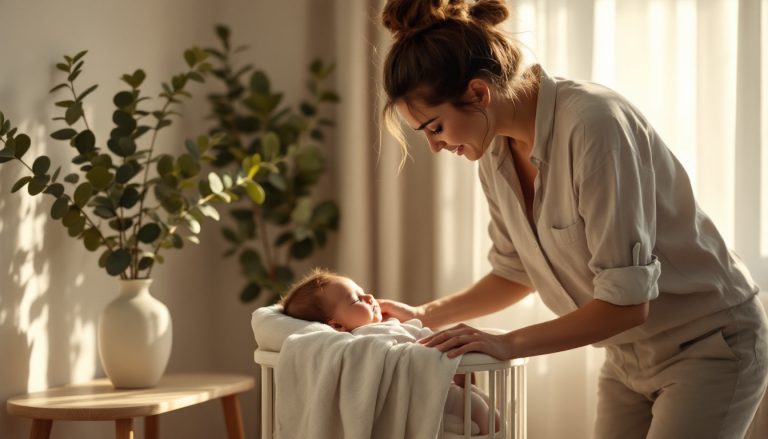
Baby swaddle wraps are the newborn tool. A snug wrap dampens the startle reflex that flings a sleeping newborn’s arms up and wakes them, and it recreates the contained feeling of the womb. The catch every parent needs to hear: you stop swaddling with the arms in at the very first sign of rolling, usually somewhere between two and four months, because a swaddled baby who rolls to their tummy cannot push back up. The two picks below are chosen because they make that transition genuinely easy.
Best for the startle reflex
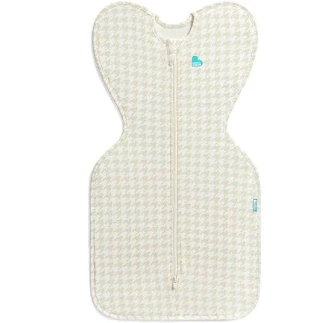
This is the zip-up swaddle with the distinctive arms-up wing design, and it is a genuine favourite for babies who fight having their arms pinned. Newborn stage, sized roughly from birth (there is a small newborn size for tiny babies) upward through the early months. Expect an approx. RRP range of around $40 to $55. The wings zip off so you can move to one arm out, then both, when rolling appears, which is exactly the transition safety you want.
Best swaddle-to-bag hybrid
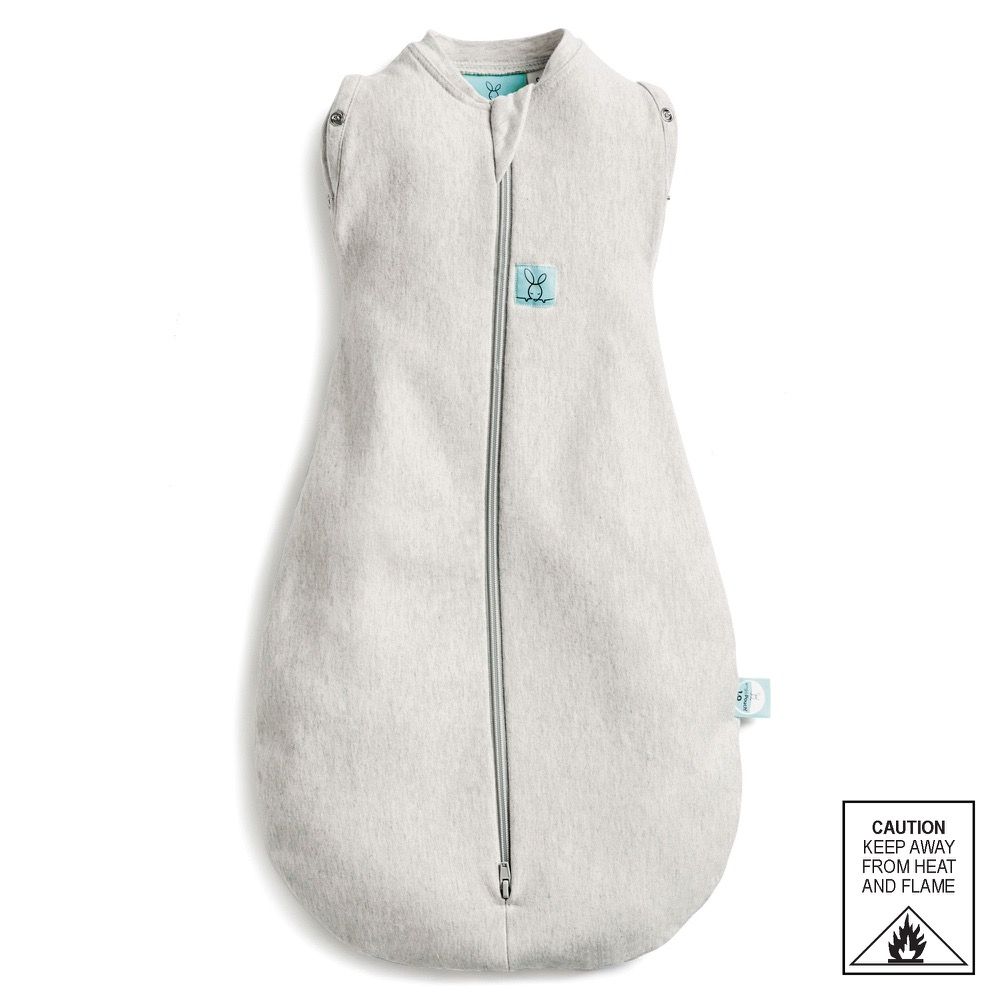
A clever piece of Australian design that starts as an arms-in swaddle and converts to an arms-out sleeping bag by unzipping the arm sections, so one product covers newborn through the rolling transition. It comes in different TOG ratings, so you buy for your season. Newborn to early baby stage, with an approx. RRP range of around $50 to $65 depending on TOG. The stretchy organic-cotton fabric is forgiving on the hips and easy to feed a leg through for nappy changes.
Best value sleeping bags for kids on a budget
Once the swaddle days are done, a sleeping bag becomes your nightly non-negotiable, and a sleeping bag for kids has to do it night after night through wees, dribble and the odd bout of gastro. You will want at least two in rotation, which is exactly why budget matters here. The good news: you do not need to spend a fortune to get a safe, well-fitting bag. The two below are honest value.
Best for a second (or third) bag
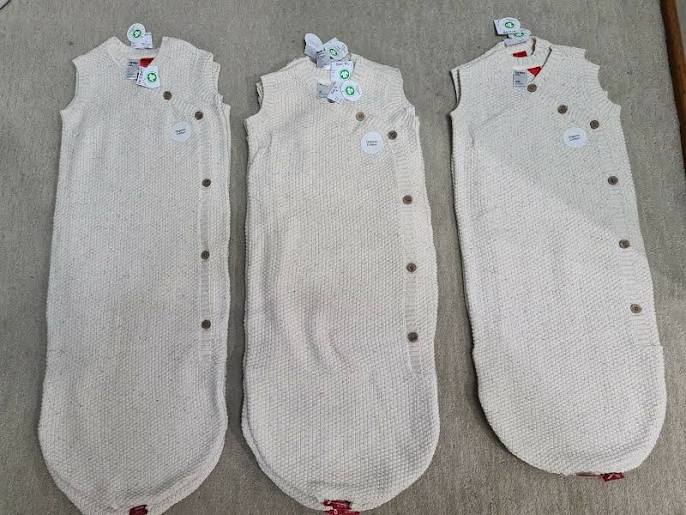
The Anko house-brand sleeping bags are the reason so many nurseries have a spare in the drawer without the budget stress. They cover baby and toddler sizing, come in a few TOG-style weights, and wash and dry fast. Expect an approx. RRP range of around $15 to $25, which means a leak at 2am is annoying, not a disaster. Always double-check the neck fit on your particular baby, as budget bags can run generous.
Best soft-cotton everyday bag
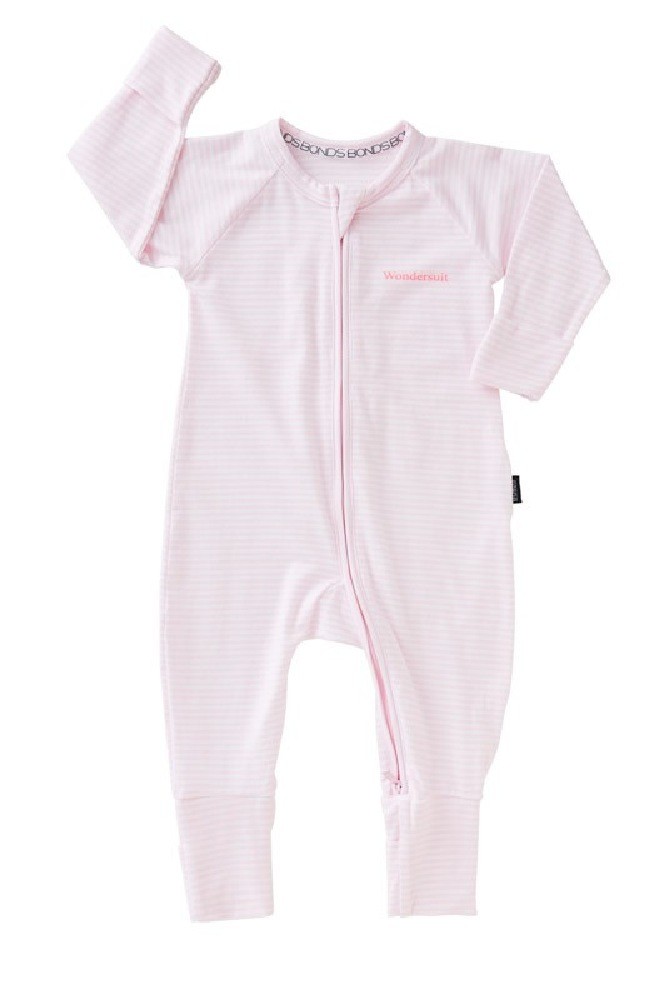
Bonds is a name Australian parents already trust for the cotton against their baby’s skin, and their sleeping bags carry that same soft, breathable feel. Sized across baby stages, in prints your baby will look ridiculous and adorable in. An approx. RRP range of around $40 to $55 puts it above the very cheapest, but the fabric quality and durability through repeated washing is where the extra goes.
Best mid-range sleep bags worth the upgrade
If you are buying one really good bag to see you through, this is the tier that earns it: proper TOG ratings, thoughtful hip-healthy shapes, and fabric that survives a toddler. These suit the parent who wants to buy once and buy well.
Best all-rounder for Australian seasons
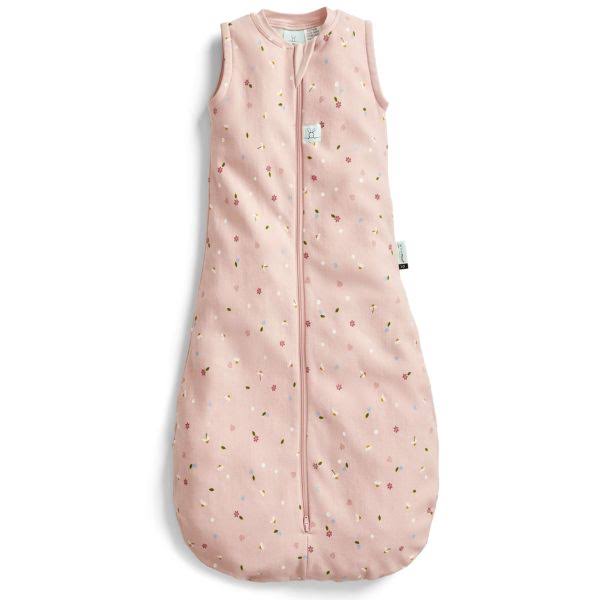
The ergoPouch sleeping bag is the one I recommend most often, because the TOG system takes the guesswork out of Australia’s swing between mild and freezing rooms. Organic-cotton fabric, a generous hip-healthy cut, and sizing that spans baby well into the toddler years. Expect an approx. RRP range of around $60 to $80 depending on size and TOG. It is not the cheapest, but for a buy-once bag it is hard to beat.
Best clearly TOG-labelled bag
The Grobag (from The Gro Company) helped make TOG-rated baby sleeping bags mainstream, and it is still a benchmark for clear warmth labelling and a wide neck-and-armhole fit guide. Cotton outer, roomy foot space, and sizing across baby and toddler stages. An approx. RRP range of around $55 to $75. If you like a bag that spells out exactly what to pair it with at each room temperature, this is your pick.
Sleep products compared at a glance
| Product | Brand | Approx RRP | Key features | Best for |
|---|---|---|---|---|
| ergoPouch Sleeping Bag #1 | ergoPouch | approx. $60 to $80 | TOG rated, organic cotton, hip-healthy cut | All-round buy-once bag |
| Anko Baby Sleeping Bag Budget | Anko | approx. $15 to $25 | Simple, washable, easy to buy spares | Affordable rotation |
| Grobag Baby Sleep Bag Premium | The Gro Company | approx. $55 to $75 | Clear TOG guidance, roomy fit | Precise warmth control |
| Love To Dream Swaddle Up | Love To Dream | approx. $40 to $55 | Arms-up zip swaddle, transition wings | Startle-reflex newborns |
| ergoPouch Cocoon Swaddle Bag | ergoPouch | approx. $50 to $65 | Swaddle to arms-out convertible, TOG rated | One-product transition |
| Bonds Baby Wondersuit Sleeping Bag | Bonds | approx. $40 to $55 | Soft cotton, durable, playful prints | Everyday comfort |
Not sure yet? Put all 17 sleep aids we rate next to each other.
Building a bedtime routine these tools support
Here is the quietly important truth: no bag, swaddle or playlist works in isolation. They work because they become predictable cues. A simple, repeatable wind-down does more heavy lifting than any single product.
A version that suits most Australian families looks like this: bath or a warm wash, into the sleep bag or swaddle, dim the lights, start the baby sleep music at a low continuous level, a short feed or story, then into the cot drowsy but awake. The order matters more than the details, because your baby learns the sequence and starts winding down before you even reach the cot.
Two honest notes. First, consistency beats perfection. If some nights the routine is three steps instead of five, that is fine, keep the anchors (bag on, sound on, lights down). Second, when the four-month regression hits and it feels like everything you built has collapsed, resist throwing the routine out. That is precisely when the familiar cues are doing their most valuable work, even if it does not feel like it at 2am. Give any change a solid week before deciding it is not working.
mum. Approved: our top 3 for 2026
Our top pick across the board for most Australian families.
The value choice when you want the essentials without overspending.
The splurge pick if you want the most features and finish.
Frequently asked questions
Is baby sleep music actually safe to leave on all night?
Yes, provided the volume stays low and the device is placed well away from the cot, not inside it. Many families prefer a low, continuous sound over a machine that switches off after a set time, because the sudden silence can wake a lightly sleeping baby. Keep it around the loudness of a soft shower and position it across the room.
When do I stop swaddling and move to a sleeping bag?
Stop swaddling with the arms in at the very first signs of rolling, often between two and four months. A swaddled baby who rolls onto their tummy cannot push back up, which is why convertible swaddles that transition to arms-out, then to a sleeping bag, are so useful. When in doubt, move to arms-out earlier rather than later.
What TOG sleeping bag do I need for an Australian nursery?
It depends on room temperature, not the calendar. A lighter TOG (around 0.5 to 1.0) suits warmer nights and heated rooms, while 2.5 suits genuinely cold winter rooms. Most brands print a temperature guide on the label telling you what to wear underneath. A simple room thermometer takes the guesswork out entirely.
Will a sleeping bag stop my baby getting cold at night?
A correctly TOG-rated bag keeps a consistent temperature all night without loose blankets, which is exactly why it is the safer choice than a blanket that can be kicked off or pulled up over the face. Dress your baby in the layers the bag’s guide recommends for your room temperature and check the back of the neck, not hands, to judge warmth.
Does any of this fix the four-month sleep regression?
Honestly, no single product fixes it, because the regression is your baby’s sleep cycles maturing, not a fault to correct. What these tools do is hold your bedtime cues steady through the disruption, so your baby has familiar signals to resettle with. Keep the routine consistent, give any change a full week, and know it does pass.
If we had to choose one, the ergoPouch Sleeping Bag is our 2026 pick for its clear TOG ratings and hip-healthy fit that take the anxiety out of dressing for sleep, and on a tighter budget the Anko Baby Sleeping Bag won’t let you down as a safe, washable everyday bag. For the newborn weeks, pair either with the Love To Dream Swaddle Up, add low, continuous baby sleep music as a steady cue, and remember that consistency, not any single product, is what your exhausted future self will thank you for.
Where to buy these picks
✓ Verified prices are checked live at the retailer. Otherwise we show the approximate RRP (an indicative recommended price, not a live retailer price), or “price pending” where we don’t have one.
All 3 prices we track for this pick
- Whole Bubs $42.95 checked 7 Oct 2026
- Kiddie Country $54.95 checked 7 Oct 2026
- The Thrifty Mumma $62.95 checked 7 Oct 2026
Anko Baby Sleeping Bag
★ Best for spare bags
Grobag Baby Sleep Bag
★ Best clear TOG labelling
Bonds Wondersuit
Best for easy nappy changes
All 7 prices we track for this pick
- Kiddie Country $41.99 checked 23 Sep 2026
- Baby Little Planet $46.99 checked 7 Oct 2026
- Baby Bunting $49.95 checked 4 Oct 2026
- Whole Bubs $49.95 checked 7 Oct 2026
- The Memo $49.95 checked 7 Oct 2026
- The Thrifty Mumma $49.95 checked 23 Sep 2026
- Baby Zone $49.99 checked 7 Oct 2026
All 2 prices we track for this pick
- Kiddie Country $51.95 checked 7 Oct 2026
- Baby Village $54.99 checked 7 Oct 2026
The shortlist, in your inbox
New winners, price drops and recalls worth knowing.