
Best Kids Bike Helmet Australia 2026: AS/NZS Standards, Fit Guide & Top Picks
If you’ve ever stood in the helmet aisle at Baby Bunting, staring at a wall of colourful foam and plastic wondering what on earth is the difference, you are absolutely not alone. Choosing the right kids helmet is one of those parenting tasks that feels simple on the surface, until you realise there are safety certifications to decode, sizing charts to navigate, and a very opinionated small human who only wants the one with unicorns on it.
Here’s the good news: once you know what to look for, finding a great helmet for your child is genuinely straightforward. And in Australia, we’re lucky to have strong safety standards that take a lot of the guesswork out of it. This guide walks you through everything, from understanding the AS/NZS certification to getting the perfect fit, plus our honest picks for the best kids helmets available in Australian stores and online in 2026.
Whether your little one is just learning to balance on a strider bike, racing around the neighbourhood on a scooter, or gearing up for school cycling season, there’s a helmet on this list that will keep their head safe and have them actually wanting to wear it. Let’s get into it.
Why AS/NZS Certification Matters for Kids Helmets in Australia
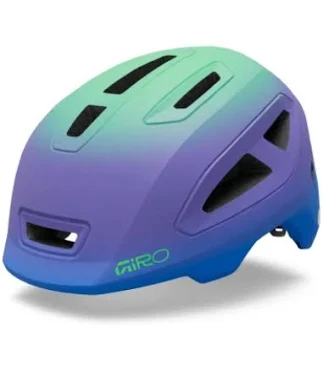
In Australia, bike helmets are not a “nice to have”, they’re the law. Every state and territory requires cyclists of all ages to wear an approved helmet, and that approval comes down to one key thing: the AS/NZS 2063:2023 standard, which is the current Australian and New Zealand standard for bicycle helmets.
The ACCC (Australian Competition and Consumer Commission) regulates mandatory safety standards for bicycle helmets sold in Australia. This means any helmet legally sold here must meet this certification, but it’s still worth checking the label yourself, especially if you’re buying from overseas marketplaces or discount stores.
Here’s what to look for on the helmet or its packaging:
- The words “AS/NZS 2063” printed inside the helmet or on a sticker
- A certification mark from a recognised testing body
- The helmet size range and age suitability
A quick tip: if a helmet seems suspiciously cheap (we’re talking under $15) and you can’t find an AS/NZS marking anywhere on it, give it a miss. No bargain is worth your child’s safety. The good news is that excellent certified helmets are available from around $30–$40 at most major Australian retailers.
What about MIPS? You’ll see this acronym popping up more and more in 2026. MIPS (Multi-directional Impact Protection System) is an additional layer of protection inside the helmet that helps reduce rotational forces during an angled impact. It’s not currently required by the AS/NZS standard, but it’s a meaningful upgrade if your budget allows. Helmets with MIPS typically start around $70–$80 for kids’ sizes.
How to Measure Your Child’s Head and Get the Right Fit
Here’s a truth that helmet manufacturers don’t always shout loudly enough: even the safest helmet in the world won’t protect your child properly if it doesn’t fit correctly. A helmet that’s too big will rock forward and cover their eyes; too small and it won’t sit properly on impact. Getting the fit right is everything.
How to Measure
Grab a soft measuring tape (or a piece of string and a ruler) and measure around your child’s head about 2–3 cm above their eyebrows, this is the widest part of the skull. Write down the measurement in centimetres. Most kids’ helmets come in these general size ranges:
- XS/Toddler: 46–50 cm (roughly 1–3 years)
- S/Small: 50–54 cm (roughly 3–6 years)
- M/Medium: 54–58 cm (roughly 6–12 years)
- L/Large: 58–62 cm (older kids and teens)
Always go by the measurement, not the age. Kids’ heads vary enormously, and a 7-year-old with a larger head is much better served in a properly fitted medium than a snug small.
The 2-V-1 Fit Check
Once the helmet is on, use this simple three-part check:
- Eyes: The front of the helmet should sit two fingers above your child’s eyebrows, not tilted back.
- Ears: The side straps should form a “V” shape just below each ear.
- Chin: You should be able to fit one finger between the strap and your child’s chin. If two fingers fit, it’s too loose. If you can’t fit one, it’s too tight.
Most helmets come with an adjustable dial or retention system at the back, make sure you use it to snug the helmet to your child’s head so it doesn’t wobble when they shake their head side to side.
Top Kids Helmets Available in Australia 2026: Our Picks
We’ve rounded up the best options across different budgets, all meeting AS/NZS standards and available through Australian retailers. Here’s our honest breakdown:
| Helmet | Ages | MIPS |
|---|---|---|
| Nutcase Little Nutty Street | 1–4 yrs | No |
| Giro Scamp MIPS | 3–7 yrs | Yes |
| Kmart Kids Bike Helmet | 3–14 yrs | No |
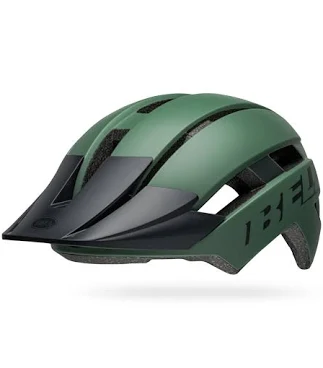
| Bell Sidetrack II MIPS | 5–14 yrs | Yes |
| Bontrager Little Dipper | 1–4 yrs | No |
| Target AU Kids Helmet | 3–12 yrs | No |
Budget Pick: Kmart Kids Bike Helmet
Pros: Meets AS/NZS standard, affordable, available in multiple colours, easy to find in store.
Cons: Basic ventilation, no MIPS, retention dial not as refined as premium options.
Best for: Families on a tight budget, younger kids who grow out of helmets quickly, or as a backup helmet for grandma’s house.
Mid-Range Pick: Bontrager Little Dipper
Pros: Excellent fit system, great ventilation for hot Australian summers, attractive designs, well-constructed.
Cons: No MIPS at this price point, limited availability (mainly Trek stores).
Best for: Toddlers and preschoolers who ride regularly. The fit system is genuinely impressive for this price range.
Premium Pick: Giro Scamp MIPS
Pros: MIPS protection, great ventilation, lightweight, easy-to-adjust retention system, fun designs kids love.
Cons: Higher price point, may need replacing as child grows.
Best for: Families who want peace of mind with MIPS technology, or kids who ride frequently on varied terrain.
Premium Pick for Older Kids: Bell Sidetrack II MIPS
Pros: Extended coverage at the back of the head, MIPS, visor included, excellent ventilation, great for mountain biking and trail riding.
Cons: Pricier, visor can feel bulky for road/footpath riding.
Best for: Active kids aged 5–14 who ride on trails, dirt tracks, or participate in school cycling programs.
We’ve reviewed 21 health & safety in total — compare the full list before you decide.
mum.com.au Approved: Our Top Recommendations by Age Group
mum.com.au Approved Picks for 2026
Best for Toddlers (1–3 years): Nutcase Little Nutty Street, The magnetic buckle is an absolute game-changer for wriggly toddlers. No more pinched chins during buckling. It’s on the pricier side at $89–$99 from Baby Bunting, but parents consistently rave about it and the designs are genuinely gorgeous.
Best Budget Buy: Kmart Kids Bike Helmet, At $19–$25, this helmet meets Australian safety standards and does exactly what it needs to do. If your child is growing fast or loses helmets regularly (it happens!), this is a perfectly solid choice.
Best All-Rounder (3–8 years): Giro Scamp MIPS, This is the one we’d choose if we’re being honest. MIPS technology, a great fit, decent ventilation for warm weather riding, and designs that kids actually get excited about. Available online and through specialty bike retailers around Australia for $109–$119.
Best for Big Kids (8–14 years): Bell Sidetrack II MIPS, Particularly if your child is into mountain biking or trail riding. The extended rear coverage is a real safety bonus for more adventurous riders.
Helmet Care, Replacement and What Aussie Parents Often Miss
A few important things that don’t always make it onto the packaging:
When to Replace a Kids Helmet
This is a big one. You should replace your child’s helmet:
- After any significant impact, even if it looks fine. The foam inside a helmet is designed to compress on impact and can be compromised without visible damage.
- Every 3–5 years, even without an impact, the materials in helmets degrade over time, especially with Australian UV exposure.
- When your child outgrows it, a helmet that no longer fits properly offers little protection.
If you’re unsure whether a helmet has been in an impact (say, it fell off a high shelf, or there was a crash you didn’t witness), the safest approach is to replace it. Helmets are not expensive relative to what they protect.
Caring for a Kids Helmet
Avoid storing helmets in hot cars, Australian summer temperatures can reach well over 50°C inside a parked car, which can degrade the foam over time. Clean helmets with mild soap and water; avoid harsh chemicals or solvents which can weaken the shell.
Second-Hand Helmets: Proceed with Caution
We know budgets are tight, and hand-me-down helmets are tempting. But unless you know the full history of the helmet, and are absolutely certain it hasn’t been in an impact, we’d recommend buying new. The risk isn’t worth it. Budget options from Kmart and Target AU make new, certified helmets accessible for most families.
Our top pick across the board for most Australian families.
The value choice when you want the essentials without overspending.
The splurge pick if you want the most features and finish.
Frequently Asked Questions
Is it illegal for kids to ride without a helmet in Australia?
Yes. In every Australian state and territory, wearing a helmet while riding a bicycle is mandatory for all ages, including children. The helmet must meet the AS/NZS 2063 standard. Penalties for non-compliance apply to the supervising adult for young children.
Can my child wear a bike helmet for scootering or skating too?
A bike helmet certified to AS/NZS 2063 is legally acceptable for scooter riding in most states. However, if your child is skating or skateboarding, a multi-sport helmet certified to AS/NZS 2063.1 (which covers both cycling and skating) is a better choice, as it offers protection at the back of the head where skate falls tend to impact.
How do I know if the helmet I’m buying actually meets Australian standards?
Look inside the helmet or on the packaging for the text “AS/NZS 2063” and a certification mark. You can also check the ACCC’s Product Safety Australia website for current mandatory standards and any recall notices. If you’re shopping at major Australian retailers like Baby Bunting, Kmart, Target AU, or Big W, the helmets they stock should comply, but it’s always worth double-checking.
My child refuses to wear their helmet. Any tips?
You are not alone in this, it’s one of the most common struggles parents share. A few things that tend to help: let them choose the helmet (the unicorn one is fine, honestly), make wearing it completely non-negotiable from day one so there’s no room for debate, and model the behaviour yourself by always wearing your own helmet. Some kids respond well to a special “helmet ritual”, putting it on together, high-fiving, then heading off. For very resistant toddlers, the magnetic buckle helmets like the Nutcase Little Nutty can reduce the battle significantly.
What’s the difference between a cheap $20 helmet and an expensive $120 one?
Both must meet the same AS/NZS certification to be legally sold in Australia, so baseline safety is covered in both. The differences at higher price points typically include: MIPS technology (additional rotational impact protection), better ventilation (important in our climate), more refined fit systems, lighter weight, and more durable construction. For a child who rides occasionally on flat footpaths, a budget helmet is perfectly fine. For a child who rides daily, on trails, or at speed, the additional features of a premium helmet are genuinely worthwhile.
Our Final Word
The best kids helmet is the one your child will actually wear, fits correctly, and meets the AS/NZS standard. Everything else is a bonus. You don’t need to spend a fortune, but you do need to spend a few minutes measuring their head and doing the 2-V-1 fit check every single time you buy a new one.
If we had to point every Australian mum toward one helmet in 2026, we’d say the Giro Scamp MIPS hits the sweet spot of safety, fit and value for kids aged 3–7. For toddlers, the Nutcase Little Nutty is worth every cent of that higher price tag. And if budget is the primary concern, the Kmart helmet does the job, just make sure you fit it properly.
Now go enjoy those family rides. The fresh air is good for all of you.
Where to buy these picks
✓ Verified prices are checked live at the retailer. Otherwise we show the approximate RRP (an indicative recommended price, not a live retailer price), or “price pending” where we don’t have one.
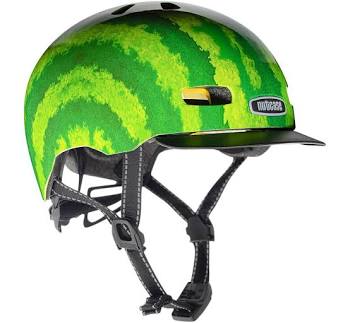
Nutcase Little Nutty Street
★ Best for wriggly toddlers
Bell Sidetrack II MIPS
★ Best for older kids
Giro Scamp MIPS
★ Best all-rounder
Bontrager Little Dipper
Best mid-range helmet
The shortlist, in your inbox
New winners, price drops and recalls worth knowing.