
Baby Acne in Australia 2026: What Products Actually Help
You’ve just brought your gorgeous newborn home, you’re exhausted in the best possible way, and then, around week two or three, you notice little red or white bumps appearing on their perfect cheeks, forehead, or chin. Before you reach for anything from the bathroom cabinet, take a breath. Baby acne is incredibly common, it’s not your fault, and in most cases it resolves completely on its own without any treatment at all.
That said, it can be genuinely distressing to look at, especially when you’re already running on broken sleep and every instinct tells you to do something. Australian GPs and dermatologists see this concern constantly in new parents, and the good news is, the guidance in 2026 is clearer than ever. We’ve pulled together the latest expert advice, product recommendations, and a few gentle reminders about what to avoid so you can feel confident and calm navigating this very normal phase of newborn life.
Whether you’re in the thick of a humid Queensland summer or bracing for a Melbourne winter, Australian conditions can affect your baby’s sensitive skin in different ways. This guide is written specifically for Aussie mums and parents, with Australian safety standards, realistic pricing in AUD, and products you can actually find here, not imported options that may not meet local standards.
What Is Baby Acne, And Why Does It Happen?
Baby acne (sometimes called neonatal acne or neonatal cephalic pustulosis) typically appears in the first two to four weeks of life and usually affects the face, particularly the cheeks, nose, forehead, and chin. It looks like small red pimples or whiteheads, sometimes with surrounding redness or blotchiness.
So what causes it? The most widely accepted explanation among Australian dermatologists is that it’s linked to maternal hormones still circulating in your baby’s bloodstream after birth. These hormones can overstimulate your baby’s oil (sebaceous) glands, causing breakouts. Some research also points to a naturally occurring yeast called Malassezia on the skin’s surface as a contributing factor, which is why some GPs may occasionally recommend a very gentle antifungal cream in persistent cases, though this is not standard first-line advice.
Baby acne is different from infantile acne, which appears later (usually between three and six months) and may need medical assessment. It’s also different from milia, those tiny white pearlescent dots that don’t look inflamed and are caused by keratin trapped under the skin, and from eczema, which tends to be dry, flaky, and itchy. If you’re not sure what you’re looking at, always check with your GP or child health nurse. A quick Telehealth consult is a perfectly good option for getting eyes on a rash remotely.
What Australian GPs Actually Recommend
The advice Australian GPs give consistently in clinic is refreshingly simple: less is more.
Here’s what most Australian GPs recommend as first-line care for baby acne:
- Gentle cleansing with lukewarm water, once a day is plenty. You don’t need soap on a newborn’s face at all.
- Pat dry, never rub, rough towelling can irritate already-sensitised skin.
- Leave it alone, no squeezing, picking, or scrubbing. Baby skin is incredibly thin and fragile.
- Avoid adult skincare products, things like tea tree oil, benzoyl peroxide, salicylic acid, and retinoids are absolutely not appropriate for newborn skin.
- Breast milk on the skin?, A popular old wives’ tale, but there’s no strong clinical evidence it helps, and it may introduce bacteria to open skin. GPs generally advise skipping this one.
If baby acne persists beyond three months, is spreading beyond the face, seems to be causing your baby distress (e.g. they’re scratching or crying), or is accompanied by fever, see your GP. In rare cases, persistent or severe acne in infants can indicate an underlying hormonal issue that warrants investigation.
A note on Australian standards: Any skincare product used on a baby should comply with Australian ACCC guidelines. When in doubt, look for products that are dermatologically tested, fragrance-free, and ideally hypoallergenic. The Therapeutic Goods Administration (TGA) regulates topical products that make therapeutic claims in Australia, so if a product claims to “treat” acne in babies, it should be listed on the ARTG (Australian Register of Therapeutic Goods).
Products That Can Help (Gently)
The honest truth is that no product “cures” baby acne, time does that. But there are gentle, GP-appropriate products that can support healthy skin, reduce irritation, and help keep your baby comfortable while the acne resolves. Here’s what’s worth considering in 2026:
Gentle Cleansers
For the occasional gentle cleanse (think once a day, or every couple of days), a fragrance-free, soap-free wash designed for newborn skin is your best bet. Look for pH-balanced formulas without sulphates, artificial fragrances, or dyes.
Barrier Creams and Moisturisers
If the skin around the acne looks dry or irritated, a very light, fragrance-free emollient can help maintain the skin barrier. Avoid heavy creams or oils directly on acne-prone areas, these can block pores further.
When a GP Recommends Something More
In cases where baby acne is unusually persistent or severe, an Australian GP may suggest a brief trial of a very mild over-the-counter hydrocortisone 0.5% cream or a specific antifungal. This is not standard advice for typical baby acne, it should only be used under medical guidance and for short periods on infant skin.
Below are product types and specific Australian-available products our editorial team considers worth knowing about. Remember: always do a patch test and consult your GP or child health nurse before applying anything new to newborn skin.
| Product | Brand | Key Features | Best For |
|---|---|---|---|
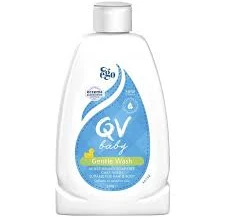
| Gentle Cleansing Wash | QV Baby | Soap-free, fragrance-free, pH balanced, dermatologically tested | Daily gentle cleansing of newborn face and body |
| Moisturising Cream | Cetaphil Baby | Hypoallergenic, fragrance-free, lightweight emollient | Dry or irritated skin around acne patches |
| Sensitive Skin Wash | Mustela Newborn | EWG verified, no parabens, no phthalates, gentle lather | Parents wanting a clean-ingredient option |
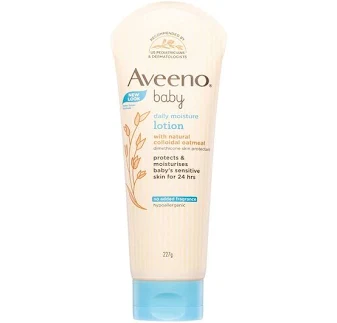
| Nourishing Baby Lotion | Aveeno Baby | Oat-based formula, fragrance-free, clinically tested on sensitive skin | Soothing redness and dryness alongside baby acne |
| Barrier Cream | Sudocrem (used with caution, GP guidance) | Zinc oxide base, soothing, widely available in Australia | GP-directed use only for inflamed patches; not routine baby acne use |
All prices are approximate 2026 RRP ranges in AUD and may vary. Products are listed for informational purposes; availability may differ by region.
Want to see how these stack up? We’ve reviewed 25 bath & skincare in total.
What to Avoid Putting on Baby Acne
This is honestly just as important as knowing what to use. The newborn skin barrier is still maturing, it’s thinner, more permeable, and far more reactive than adult skin. Here’s what Australian dermatologists and GPs consistently flag as a no-go for baby acne:
- Tea tree oil, toxic if ingested and far too potent for newborn skin
- Apple cider vinegar, highly acidic and can cause chemical burns on delicate skin
- Coconut oil, comedogenic (pore-blocking) and may worsen breakouts
- Adult acne treatments (benzoyl peroxide, salicylic acid, retinoids), completely inappropriate for infants
- Fragranced baby products, synthetic or natural fragrances can trigger contact dermatitis
- Scrubbing or exfoliating, newborn skin does not need exfoliation, full stop
- Breast milk applied topically, anecdotally popular, not evidence-based, and potentially introduces bacteria
If you’re ever unsure whether an ingredient is safe for your baby, the Eczema Association of Australasia and the Australasian College of Dermatologists both have excellent online resources, and your GP or pharmacist can always advise.
Australian Seasons and Baby Skin: What You Need to Know
Living in Australia means your baby’s skin faces conditions that parents in cooler climates don’t have to think about as much, and this can affect how baby acne looks and behaves.
Summer heat and humidity (particularly relevant in Queensland, the Northern Territory, and coastal NSW) can cause extra sweating around a baby’s face, which may make acne look worse or more inflamed. Keeping your baby cool, using breathable cotton muslin wraps, and avoiding over-dressing can all help. Air-conditioned rooms are fine, but ensure they’re not so cold that the air becomes overly dry, a humidifier in very air-conditioned spaces can help maintain skin moisture.
Winter in southern states like Victoria, Tasmania, and South Australia brings dry indoor heating, which strips moisture from everyone’s skin, including your baby’s. If the skin around acne patches looks extra dry or cracked in winter, a light fragrance-free emollient (as above) applied to the surrounding skin (not directly on active pustules) can help maintain the skin barrier.
Regardless of season, always keep your baby out of direct sun. Babies under six months should not have sunscreen applied to their skin, sun avoidance (shade, clothing, hats) is the only recommendation from the Cancer Council Australia for this age group.
When to See a Doctor: The Australian Parent’s Guide
Most baby acne needs no medical treatment, just time and gentle care. But here are the signs that it’s worth getting your GP or paediatrician involved:
- ✅ Acne that hasn’t improved at all by three months of age
- ✅ Breakouts that spread beyond the face to the body, arms, or legs
- ✅ Skin that looks infected, increased redness, warmth, swelling, or pus
- ✅ Your baby seems uncomfortable or distressed and is scratching or rubbing their face
- ✅ Acne accompanied by fever, lethargy, or feeding difficulties
- ✅ You’re simply worried, this is always a valid reason to make an appointment
In Australia, you have several great options: your regular GP, a bulk-billed Telehealth consultation, your Maternal and Child Health nurse (free in most states), or a paediatrician referral if your GP recommends it. You don’t need to manage this alone, and there’s zero judgment in asking for a second pair of eyes.
Our top pick across the board for most Australian families.
The value choice when you want the essentials without overspending.
The splurge pick if you want the most features and finish.
Frequently Asked Questions About Baby Acne
How long does baby acne last?
For most babies, neonatal acne clears up on its own within four to six weeks, so typically by around two to three months of age. Some babies clear up faster, some take a little longer. As long as it’s improving and your baby is otherwise well, this is normal. If it’s still present and worsening at the three-month mark, that’s your cue to check in with your GP.
Does baby acne leave scars?
In the vast majority of cases, no, baby acne does not leave scars. The biggest risk of scarring comes from squeezing or picking at the spots (resist the urge!) or from secondary infection. If you leave baby acne alone and keep the skin clean and gently moisturised, most babies’ skin returns to perfectly smooth with no lasting marks.
Can my diet cause baby acne if I’m breastfeeding?
This is one of the most common questions Australian mums ask, and the reassuring answer is that there is no strong evidence linking a breastfeeding mother’s diet to baby acne. Baby acne is driven primarily by hormonal factors, not by what you eat. You don’t need to eliminate dairy, spicy food, or anything else from your diet on account of your baby’s skin. Eat well, stay hydrated, and don’t add dietary anxiety to your already full plate.
Is baby acne the same as eczema?
No, they are distinct conditions. Baby acne presents as red or white pimples, usually on the face, in the first few weeks of life. Eczema (atopic dermatitis) tends to appear later (often after two months), looks dry, scaly, and red, and is often itchy, meaning your baby may rub or scratch the affected areas. Eczema also commonly appears in skin creases (elbows, behind knees) and behind the ears, whereas baby acne is typically limited to the face. If you’re unsure which you’re dealing with, your GP can diagnose this quickly and easily.
Should I use a special laundry detergent to help baby acne?
While laundry detergent isn’t a direct cause of baby acne, it can contribute to skin irritation in sensitive newborns. Using a fragrance-free, dye-free laundry liquid (there are several Australian-made options available) for washing your baby’s clothes, wraps, and bedding is a sensible precaution for all newborn skin care, not just for baby acne. Look for products labelled “sensitive” or “fragrance-free”, these are widely available across Australia at approx. $10–$20 per bottle.
Our Verdict: Keep It Simple, Keep It Gentle
If there’s one thing we want every Australian mum to take away from this guide, it’s this: baby acne is normal, it’s temporary, and you haven’t done anything wrong. The most evidence-backed approach in 2026 remains the simplest, gentle lukewarm water cleansing, patting dry with a soft cloth, and letting time do its work.
When you do want to use a product, whether for your own peace of mind or to address dryness and irritation around the breakouts, choose fragrance-free, soap-free, dermatologically tested options that are available in Australia and appropriate for newborn skin. Brands like QV Baby, Cetaphil Baby, Mustela, and Aveeno Baby consistently meet these criteria and are well-regarded by Australian GPs and dermatologists.
And if you’re ever in doubt? Call your GP, book a Telehealth consult, or speak to your Maternal and Child Health nurse. That’s exactly what they’re there for, and there’s not a single one of them who will think less of you for asking. Your baby is lucky to have someone who cares this much.
Where to buy these picks
✓ Verified prices are checked live at the retailer. Otherwise we show the approximate RRP (an indicative recommended price, not a live retailer price), or “price pending” where we don’t have one.
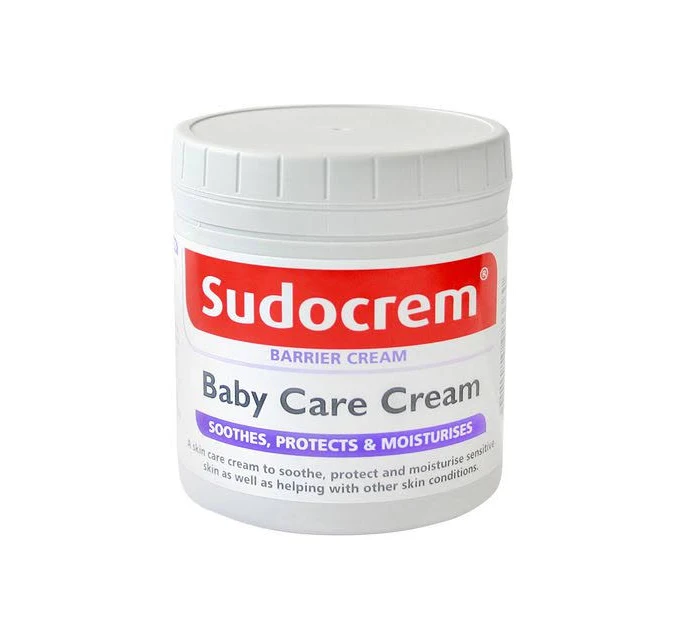
Sudocrem Barrier Cream
Best GP-directed barrier cream
Mustela Newborn Sensitive Skin Wash
Best clean-ingredient newborn wash
QV Baby Gentle Cleansing Wash
Best for newborn daily cleansing
Aveeno Baby Nourishing Baby Lotion
Best for baby acne
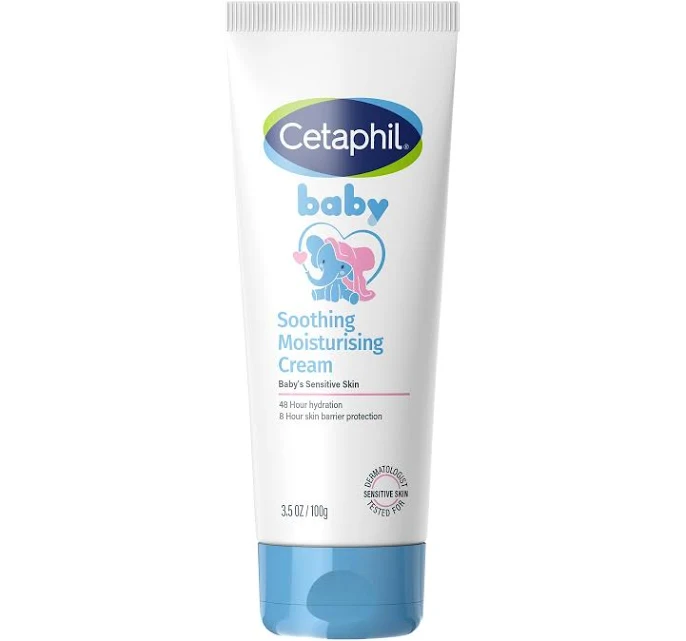
Cetaphil Baby Moisturising Cream
Best for irritated newborn skin
The shortlist, in your inbox
New winners, price drops and recalls worth knowing.