
Best Baby Gates Australia 2026: Retractable vs Pressure vs Hardware Mounted
There’s a particular moment every Australian parent remembers, the day your little one figures out how to move. One minute they’re happily rolling on the play mat, the next they’re commando-crawling toward the stairs at a speed that would make an Olympic sprinter jealous. Suddenly, your beautiful open-plan Queenslander or cosy Melbourne terrace feels like an obstacle course of hazards, and you’re googling “baby gates” at 11pm with a coffee going cold beside you.
If that’s you right now, take a deep breath, you’re in exactly the right place. Choosing the right baby gate feels deceptively simple until you’re standing in the middle of the baby aisle (or scrolling endlessly online) trying to work out the difference between pressure-mounted, hardware-mounted and retractable options. And that’s before you even get to widths, wall types, and whether the thing will actually stay put when a determined toddler leans on it.
I’ve pulled together this honest, no-nonsense guide for 2026, comparing the gates Australian families can actually buy and explaining the Australian safety standard that covers child safety barriers. We’ll walk through the three main types of baby gates, when each one makes sense, and the specific models worth your money this year. No jargon, no judgement, just the kind of advice I’d give you over a cuppa at my kitchen table.
Why Baby Gates Matter (And When to Install Them)
Let’s start with the basics. Baby gates are one of those unglamorous purchases that quietly do enormous work in keeping your child safe. According to Australian childhood injury data, falls, particularly down stairs, remain one of the most common causes of injury in babies and toddlers. A well-placed, correctly installed gate can genuinely be the difference between a close call and a trip to the emergency department.
Most Aussie parents find they need gates around the 6-to-9-month mark, when babies start crawling and pulling themselves up. But here’s my honest tip: install them before your baby is mobile, not after. Little ones develop new skills overnight, and the last thing you want is to be racing to childproof while also chasing a newly crawling bub. Late autumn and winter, when everyone’s spending more time indoors, is a particularly common time for parents to realise they need to lock down the stairs and kitchen.
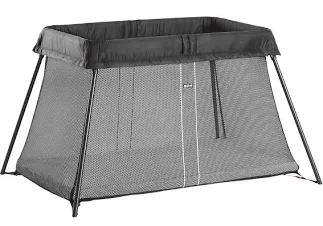
The two most common spots for gates are the top and bottom of staircases, and doorways to rooms you’d rather keep off-limits, think kitchens (hot ovens, cleaning products) and laundries. Some families also use gates to create a safe zone in the living room, which works beautifully alongside a good baby playpen for those moments when you need to duck to the loo or hang out a load of washing without worrying.
Understanding Australian Safety Standards
Before we get into specific products, a quick word on safety, because this genuinely matters. In Australia, there’s a voluntary standard (AS/NZS 4552) that covers child safety barriers, and reputable brands design their gates to meet it. While baby gates aren’t subject to a mandatory ACCC safety standard the way some products are, choosing a gate that references this Australian/New Zealand standard gives you real peace of mind.
What should you actually look for? A few non-negotiables:
- A gate height of at least 700mm from the floor, so an older toddler can’t simply climb over.
- Gaps no wider than 95mm between bars, so little heads and limbs can’t get stuck.
- A two-action opening mechanism (usually lift-and-swing, or press-and-lift) that adults can manage easily but children can’t figure out.
- No horizontal bars or footholds a clever climber could use as a ladder.
One crucial rule the safety experts drum into us: never use a pressure-mounted gate at the top of stairs. Pressure gates rely on tension against the walls and can be dislodged if leaned on hard enough, fine at the bottom of stairs or in a doorway, but a genuine risk up top. At the top of stairs, always choose a hardware-mounted (screw-fixed) gate. We’ll cover exactly why below.
Pressure-Mounted Baby Gates: The Renter’s Best Friend
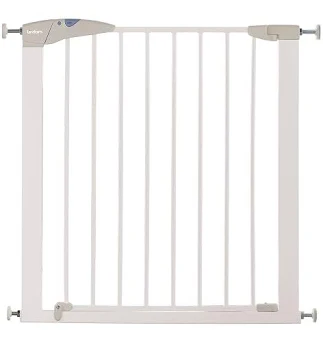
Pressure-mounted gates are the ones most of us picture first. They use spring-loaded pressure pads that push against your walls or door frame to hold the gate in place, no drilling, no screws, no holes in the wall. For renters (and let’s be honest, a huge chunk of Australian families are renting these days), that’s an enormous drawcard.
The upsides: They’re quick to install, often under ten minutes, and completely removable, so you get your bond back and can take them to your next place. They’re generally more affordable, and you can move them around the house as your needs change.
The trade-offs: They can leave slight marks on painted walls over time, and crucially, they’re not safe at the top of stairs. They also have a raised bottom bar (the bit that creates the pressure), which becomes a bit of a trip hazard in high-traffic doorways once you’ve stumbled over it a few times in the dark.
Our pressure-mounted pick: Dreambaby Chelsea Xtra-Wide Gate. Dreambaby is an Australian-founded brand and a genuine staple in Aussie homes for good reason. The Chelsea is sturdy, comes with extensions to fit wider openings (handy for those broad hallway doorways), and has a reliable one-handed opening mechanism you’ll appreciate when you’ve got a baby on your hip. Approx. RRP is around $60–$90 for the standard gate, with extensions sold separately.
Pros: Affordable, no drilling, easy to move, well-supported Aussie brand. Cons: Raised bottom bar to step over, not for the top of stairs, can mark walls slightly.
Also worth considering: Lindam Sure Shut Axis. This one has a slimline bottom bar that’s easier to step over than many pressure gates, plus a handy “hold-open” feature so it stays put when you’re carrying laundry through. Approx. RRP is around $70–$100.
Pros: Low-profile bottom bar, hold-open function, quality feel. Cons: Pricier than basic pressure gates, still not for stair-tops.
Hardware-Mounted Baby Gates: The Top-of-Stairs Essential
Hardware-mounted (or screw-fixed) gates attach directly to your wall or banister with screws and brackets. Yes, that means drilling, and yes, that means patching a few holes when you eventually move on, but the security payoff is worth it, especially where it counts most.
The upsides: These are the gold standard for the top of stairs. Because they’re bolted in place, they can’t be pushed loose by a leaning toddler or an over-enthusiastic dog. They typically have no bottom bar at all, so there’s nothing to trip over, and they tend to feel far more solid day to day.
The trade-offs: Installation takes longer and requires a drill (and ideally someone reasonably handy). They leave holes when removed, which is less than ideal for renters, though a bit of filler and paint sorts it out. They also cost a little more.
Our hardware-mounted pick: Dreambaby Boston Magnetic Sure-Stop Gate. This is a beautifully engineered gate with a smart magnetic locking mechanism that closes itself and clicks shut automatically, a genuine lifesaver when your hands are full. It’s rated for top-of-stairs use, has no bottom bar, and the auto-close feature means you’re never left wondering if you remembered to shut it. Approx. RRP is around $110–$150.
Pros: Auto-close and magnetic lock, no trip bar, top-of-stairs rated, sturdy. Cons: Requires drilling, dearer than pressure gates, the magnetic mechanism takes a day or two to get used to.
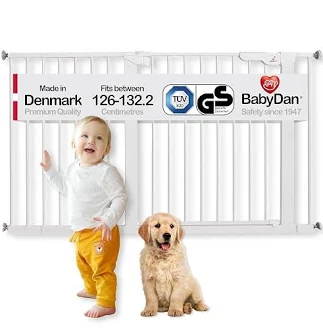
Also worth considering: BabyDan Premier True Pressure Fit Gate. BabyDan is a Danish brand with a strong reputation, and while the Premier can be fitted with pressure, it also comes with a hardware-fit kit for stair-top security. It swings both ways, has a double-locking mechanism, and feels genuinely premium. Approx. RRP is around $130–$170.
Pros: Versatile fitting options, two-way swing, excellent build quality. Cons: Higher price point, heavier to handle.
Retractable Baby Gates: The Space-Saving Modern Choice
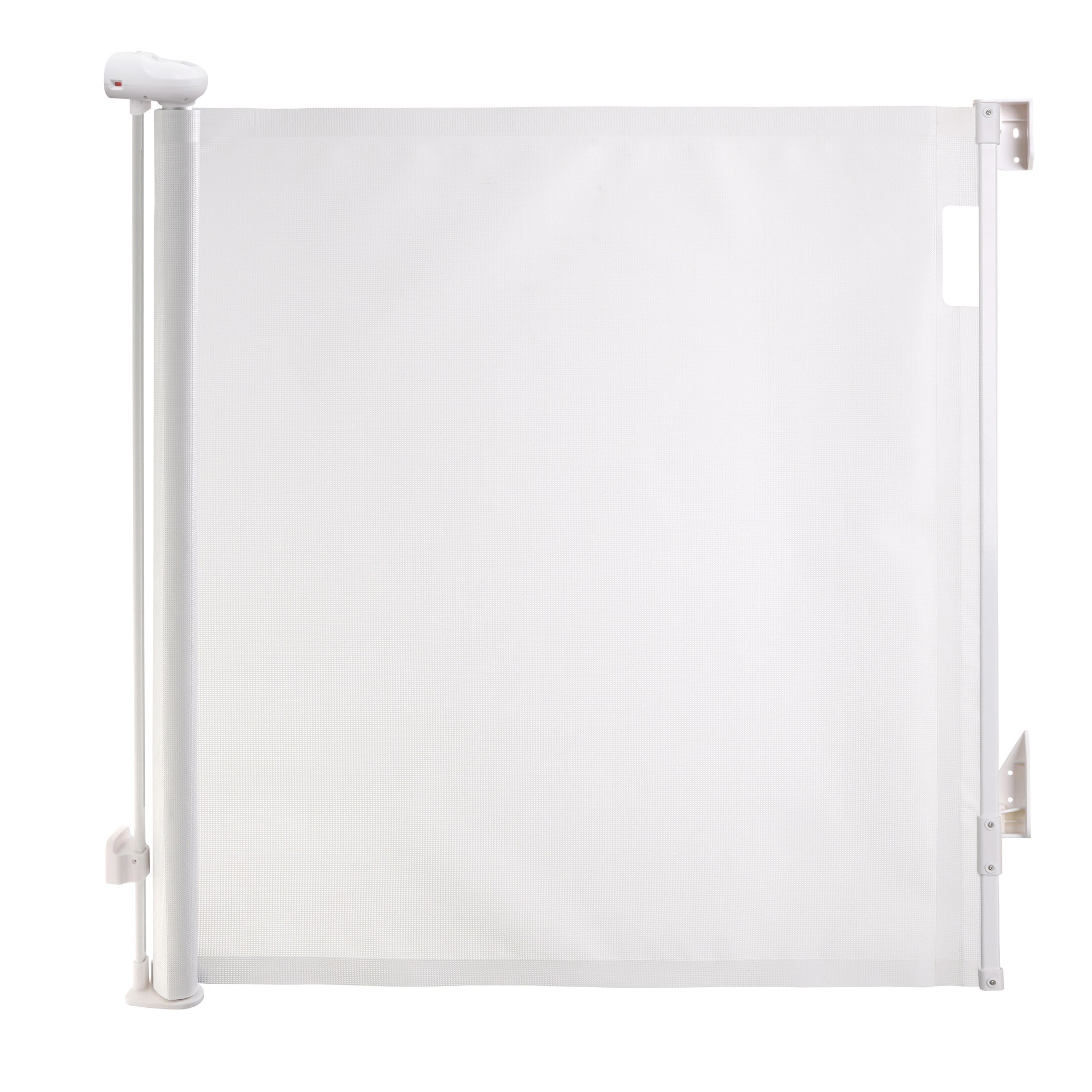
If you’ve got a stylish home and the idea of a chunky metal gate makes you wince, a retractable baby gate might be your answer. These clever gates use a mesh panel that pulls across your opening from a wall-mounted housing and locks into a catch on the other side. When you don’t need it, it rolls neatly back into its housing, practically invisible.
The upsides: They’re wonderfully space-saving and unobtrusive, ideal for narrow hallways where a swinging gate would be awkward, or wide, irregular openings that standard gates can’t span. The soft mesh is gentle if a child bumps into it, and they suit odd-shaped spaces beautifully. Many parents love how discreet they look in a modern home.
The trade-offs: They require hardware installation (drilling both sides), the retract-and-lock action takes a little practice with one hand, and they generally aren’t recommended for the top of stairs unless the manufacturer specifically approves it, always check the model’s rating. The mesh can also sag slightly over time on very wide spans.
Our retractable pick: Dreambaby Retractable Gate. Dreambaby’s retractable option is a firm favourite among Aussie parents wanting something low-profile. It stretches to fit openings up to around 140cm, the mesh is durable, and it retracts cleanly out of the way when open. It’s ideal for hallways, doorways and creating flexible boundaries. Approx. RRP is around $80–$120.
Pros: Discreet, spans wide openings, soft mesh, retracts fully. Cons: One-handed operation takes practice, requires drilling both sides, check top-of-stairs suitability before use there.
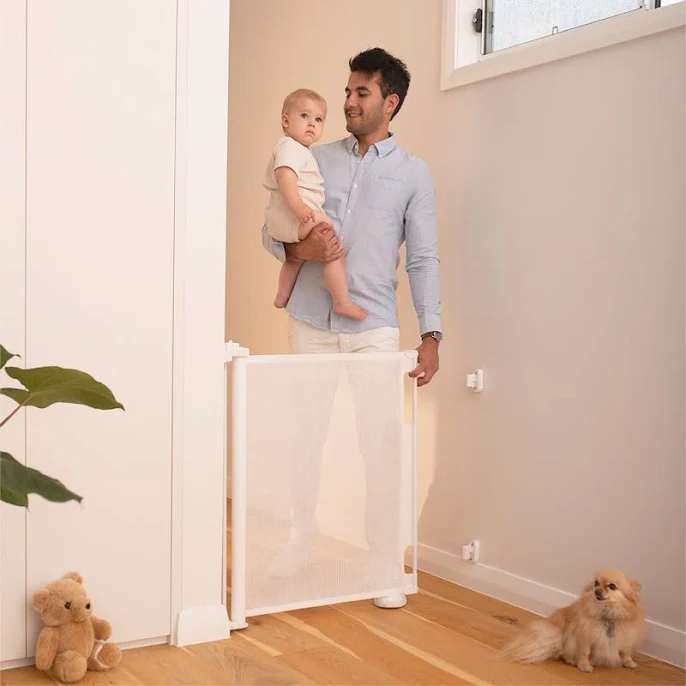
Also worth considering: Perma Child Safety Retractable Gate. Perma is another Australian safety brand, and their retractable gate is well built with a smooth-locking latch and UV-resistant mesh, a nice touch if you’re using it near a sunny doorway or an indoor-outdoor threshold, which so many Aussie homes have. Approx. RRP is around $90–$130.
Pros: Quality mesh, smooth latch, Aussie brand support. Cons: Pricier, narrower maximum span than some rivals.
Baby Gates vs Baby Playpens: Do You Need Both?
Here’s a question I get asked constantly: do I need a gate, a playpen, or both? The honest answer is, it depends on your home and your routine, and plenty of families happily use both.
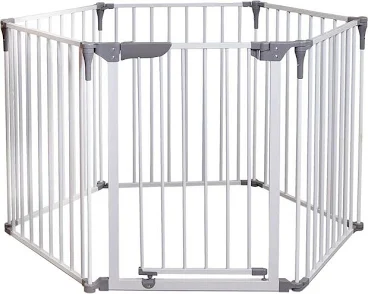
A baby gate keeps your child out of dangerous areas, while a baby playpen keeps your child safely in a defined space. If you’ve got an open-plan living area with no natural doorways to gate off, a playpen creates an instant safe zone, brilliant for when you need both hands free to cook dinner or fold washing. If you’ve got clear staircases and doorways to block, gates might be all you need.
A playpen worth a look: Dreambaby Royale Converta 3-in-1 Play-Yard. This is a wonderfully flexible system, it works as a playpen, a room divider, or a wide barrier gate, adapting as your child grows. The panels reconfigure to fit your space, and it folds away when guests come over. Approx. RRP is around $180–$250.
Pros: Highly versatile, converts between playpen and barrier, sturdy. Cons: Takes up floor space, dearer than a single gate, a bit fiddly to reconfigure.
My take? If you’re in a smaller home or apartment with defined doorways, start with gates. If you’ve got a big open living space or want a contained play area for peace of mind, a convertible play-yard like the Royale is a smart all-rounder that grows with your child.
How to Measure and Choose the Right Gate for Your Home
Even the best gate is useless if it doesn’t fit. Before you buy anything, grab a tape measure and note down the width of every opening you want to secure. Measure at the exact point where the gate will sit, skirting boards, architraves and uneven walls can all catch you out.
A few practical pointers worth keeping in mind:
- Check your walls. Pressure gates need two solid, flat, opposing surfaces to push against. If one side is a flimsy plasterboard wall or a curved banister, you’ll likely need a hardware-mounted gate or a special banister-fitting kit.
- Buy extensions if needed. Wide Aussie hallways and open-plan doorways often exceed standard gate widths. Most quality brands sell extension panels, just make sure the extensions are compatible with your specific model.
- Think about traffic flow. A gate you’ll walk through fifty times a day needs a genuinely easy one-handed opening. Test the mechanism if you can, or read honest reviews.
- Consider your pets. If you’ve got a dog, look for a gate with a small pet door, or a gate sturdy enough to handle a leaning labrador.
And a gentle reminder: whatever you choose, install it exactly according to the manufacturer’s instructions, and give it a good firm push-test before you trust it with your baby. Re-check the fit every few weeks, as pressure gates in particular can loosen over time.
Comparison Table: Baby Gates at a Glance
| Product | Brand | Key features | Best for |
|---|---|---|---|
| Chelsea Xtra-Wide Gate | Dreambaby | Pressure-mounted, extensions available, one-handed open | Renters & doorways |
| Sure Shut Axis | Lindam | Slimline bottom bar, hold-open feature | High-traffic doorways |
| Boston Magnetic Sure-Stop | Dreambaby | Hardware-mounted, auto-close, magnetic lock, no bottom bar | Top of stairs |
| Premier True Pressure Fit | BabyDan | Dual fit options, two-way swing, premium build | Versatile stair-top use |
| Retractable Gate | Dreambaby | Mesh panel, spans wide openings, retracts away | Narrow or wide hallways |
| Retractable Gate | Perma Child Safety | UV-resistant mesh, smooth latch | Sunny doorways |
| Royale Converta 3-in-1 Play-Yard | Dreambaby | Playpen, divider & barrier in one, reconfigurable | Open-plan safe zones |
All prices are approximate RRP ranges only and will vary. For live pricing and where to buy, see our comparison pages below.
We’ve reviewed 10 baby gates in total — compare the full list before you decide.
mum.com.au Approved: Our Top Recommendations for 2026
After all the comparing, measuring and honest weighing-up, here are the picks we’re genuinely comfortable recommending to Aussie families this year:
- Best for the top of stairs: Dreambaby Boston Magnetic Sure-Stop Gate. The auto-close magnetic mechanism is worth every cent when you’re carrying a sleeping baby and can’t spare a hand. Screw-fixed security where it matters most.
- Best for renters and doorways: Dreambaby Chelsea Xtra-Wide Gate. Affordable, no drilling, easy to move, and backed by a trusted Australian brand.
- Best retractable: Dreambaby Retractable Gate. Discreet, flexible and perfect for those awkward hallways and modern homes where a bulky gate just won’t do.
- Best all-rounder for open-plan homes: Dreambaby Royale Converta 3-in-1 Play-Yard. If you’d rather create a safe zone than block off doorways, this grows with your family beautifully.
These recommendations reflect quality, safety, real-world usability and value, the things that actually matter when you’re a tired parent trying to make one good decision.
Our top pick across the board for most Australian families.
The value choice when you want the essentials without overspending.
The splurge pick if you want the most features and finish.
Frequently Asked Questions
At what age do I need a baby gate?
Most families install gates around 6 to 9 months, when babies start crawling and pulling up to stand. My honest advice is to install them before your baby becomes mobile, so you’re never caught out. Gates are typically used until around two years, though very determined climbers may outgrow them sooner, at which point you’ll rely more on supervision and teaching stair safety.
Can I use a pressure-mounted gate at the top of the stairs?
No, this is the one rule I’ll never budge on. Pressure gates rely on tension and can be dislodged if a child or pet leans hard against them. At the top of stairs, always use a hardware-mounted (screw-fixed) gate, such as the Dreambaby Boston Magnetic Sure-Stop. Pressure gates are perfectly fine at the bottom of stairs and in doorways.
Do baby gates damage walls?
Pressure-mounted gates can leave slight pressure marks on painted walls over time, though these usually wipe or touch up easily. Hardware-mounted and retractable gates leave small screw holes, which are simple to fill and paint when you move. For renters, pressure gates in doorways are the least invasive option.
Are retractable baby gates safe?
Yes, when installed correctly and used in appropriate locations. Retractable gates from reputable brands are well-tested, and the soft mesh is gentle on little ones. Just check whether your specific model is rated for top-of-stairs use before installing one there, many are recommended for doorways and level spaces rather than stair-tops.
Do I need a baby gate if I already have a playpen?
It depends on your home. A playpen keeps your child safely contained in one spot, while a gate blocks off dangerous areas like staircases and kitchens. If you have stairs, you’ll almost certainly want at least one hardware-mounted gate regardless of whether you own a playpen. Many families use both for full peace of mind.
The Bottom Line
Choosing a baby gate doesn’t need to be overwhelming, even at 11pm with cold coffee in hand. The golden rule is simple: match the gate to the job. Use a sturdy hardware-mounted gate like the Dreambaby Boston Magnetic Sure-Stop at the top of your stairs, reach for an affordable, renter-friendly pressure gate like the Dreambaby Chelsea in doorways, and consider a discreet retractable gate for those tricky hallways where nothing else quite fits.
If your home is more open-plan, a convertible play-yard like the Dreambaby Royale Converta might give you the flexible safe zone you’re really after. Whatever you choose, install it carefully, push-test it before you trust it, and re-check the fit regularly.
Where to buy these picks
✓ Verified prices are checked live at the retailer. Otherwise we show the approximate RRP (an indicative recommended price, not a live retailer price), or “price pending” where we don’t have one.
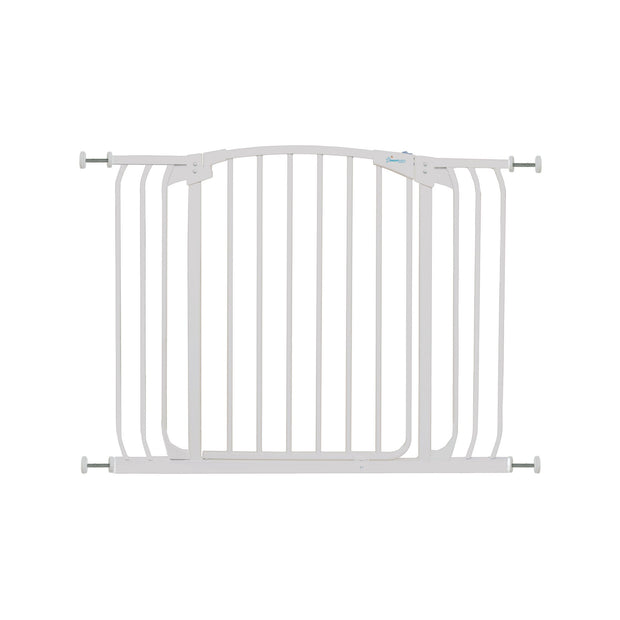
Dreambaby Chelsea Xtra-Wide Gate
★ Best for renters
Dreambaby Retractable Gate
★ Best retractable gate
Dreambaby Boston Magnetic Sure-Stop Gate
★ Best for top of stairs
Dreambaby Royale Converta 3-in-1 Play-Yard
★ Best all-rounder open-plan
BabyDan Premier True Pressure Fit Gate
Best for versatile stair use
Lindam Sure Shut Axis
Best for busy doorways
Show all 7 picksShow fewer
Perma Child Safety Retractable Gate
Best for sunny doorways
The shortlist, in your inbox
New winners, price drops and recalls worth knowing.