
Best Baby Pillows Australia 2026: What Red Nose Says Before You Buy One
If you’ve just typed “baby pillow” into Google at some odd hour, there’s a good chance one of two things has happened: a well-meaning relative has gifted you a cute pillow set for the nursery, or your toddler is edging towards a big kid bed and every cot-to-bed bundle you’ve seen online seems to include one. Either way, you want a straight answer before you spend money on something that might not even be safe to use yet.
This is one of the few baby product categories where the honest answer isn’t “here’s our top pick”, it’s “here’s what the safety guidelines actually say, and here’s what to buy once your child is genuinely ready”. We’ve gone through Red Nose Australia’s safe sleep guidance, checked what’s realistically sold and searchable across Australian nursery brands, and put together a shortlist for the stage when a pillow does make sense.
No testing claims here, just research done properly so you don’t have to open forty tabs comparing toddler bedding at midnight.
Are baby pillows safe? What Red Nose actually says
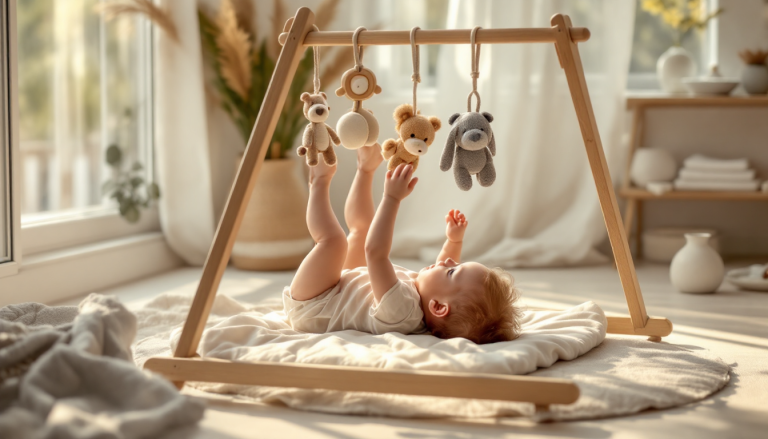
This is the part most retailers skip over, so let’s be direct about it. Red Nose Australia, the national body behind our safe sleeping guidelines, is clear that infants should not have a pillow, doona, soft toy, cot bumper or lambswool underlay in their sleep space. The recommendation applies for the first 12 months, and many paediatric and sleep health professionals suggest waiting until a child has moved out of the cot altogether, generally somewhere between 2 and 3 years old, before introducing a pillow at all.
The reasoning is about suffocation and rebreathing risk. A young baby doesn’t have the strength or awareness to reposition themselves away from soft bedding that’s covering their airway, and a pillow adds unnecessary loft and softness to what should be a flat, firm, bare sleep surface.
- Under 12 months: no pillow, ever, in the cot or bassinet, regardless of how “supportive” or “orthopaedic” it’s marketed as.
- 12 months to 2 years: still generally too early. Red Nose’s clear cot guidance (nothing loose in the sleep space) continues to apply while your child sleeps in a cot.
- 2 to 3 years, moving to a bed: this is the realistic window when most Australian families introduce a first toddler pillow, usually alongside the cot-to-bed transition.
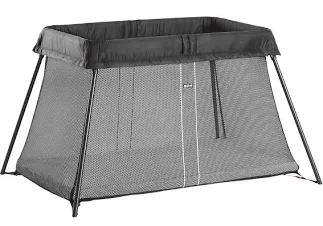
- Cots and portable cots: Australian cots are built to meet AS/NZS 2172 and portable cots to AS/NZS 2195, both of which are about the safety of the sleep structure itself. Neither standard covers pillows, because the expert guidance is simply not to use one in that environment.
There is no specific Australian Standard number for baby or toddler pillows themselves. That’s exactly why Red Nose’s guidance, not a product label, is the thing to lean on when deciding if and when your child is ready for one.
What to look for once your toddler is ready for a pillow
Once your child has made the move to a bed, a pillow becomes a normal, low-risk part of their bedding. But toddler pillows aren’t just small adult pillows, and the differences matter.
- Low loft and firmness: a toddler’s neck and head proportions need a flatter, firmer pillow than an adult’s. Anything thick and squishy can feel comfortable in the shop and be the wrong shape once they’re actually sleeping on it.
- Standard toddler sizing: most Australian toddler pillows are around 40cm x 60cm, deliberately smaller than a standard adult pillow so it doesn’t overwhelm a single toddler bed.
- Breathable, washable cover: toddlers are messy sleepers. A removable, machine-washable cotton cover matters more than it sounds like it should at 2am with a leaking sippy cup involved.
- No loose trims: skip anything with buttons, bows, ribbons or decorative appliqué that could work loose and become a choking hazard.
- Manufacturer age guidance on the label: reputable Australian brands print a minimum age (commonly 12 months or 2 years plus) on the packaging. If it doesn’t have one, that’s a reason to keep looking.
The best toddler pillows for Australian families in 2026
Once you’re past the cot stage, these are the pillows that keep coming up as sensible, well-made options for Australian toddler beds. None of them are exotic or hard to find, which is exactly the point.
1. Living Textiles Toddler Pillow & Pillowcase
Living Textiles has built a solid reputation in Australian nurseries for straightforward, well-made basics, and its toddler pillow is a good example of why. It sticks to the standard low-loft toddler build rather than trying to be clever, with a soft cotton cover and a fill designed specifically to sit flatter than an adult pillow.
The approx RRP typically sits around $25 to $35 for the pillow and matching pillowcase, which puts it in the middle of the pack price-wise while still using genuinely toddler-appropriate materials rather than a scaled-down adult product.
- Breathable cotton cover that’s gentle on sensitive skin
- Machine washable, which matters given how often toddler bedding needs a wash
- Standard 40cm x 60cm sizing fits most Australian toddler bed linen sets
- Fill can compress and flatten with heavy use, so expect to replace it every year or two
- Print and colourway availability changes seasonally, so the exact design you see may vary
Living Textiles Toddler Pillow & Pillowcase
2. 4baby Toddler Pillow & Pillowcase Set
4baby is a familiar name in Australian nursery bedding aisles, and its toddler pillow set is a genuinely sensible starting point if you’re not ready to spend much on something your toddler might reject entirely for the first few nights (a very normal transition hiccup).
Approx RRP generally lands around $18 to $28 for the set, which is about as affordable as this category gets without dropping down to unbranded options with no age guidance at all.
- Comes bundled with a matching pillowcase, so there’s nothing extra to buy
- Low-loft fill designed for toddlers rather than a shrunk-down adult pillow
- Easy to find across major Australian baby retailers
- Fill tends to be thinner than the mid and premium options, so it may need replacing sooner
- Fewer print and colour choices than some other brands
4baby Toddler Pillow & Pillowcase Set
3. Bubba Blue Organic Cotton Toddler Pillow
Bubba Blue has been part of Australian nursery bedding for a long time, and its organic cotton toddler pillow is the pick if you’d rather spend a bit more for softer, more breathable natural fibres against your toddler’s skin, particularly useful if eczema or sensitive skin runs in the family.
Approx RRP tends to sit around $35 to $50, noticeably higher than the other two picks. It’s worth being upfront that the functional difference, in terms of size and firmness, is small; you’re mostly paying for the cotton quality and the brand’s heritage.
- Organic cotton cover feels softer and breathes better than standard cotton blends
- Same sensible low-loft, toddler-appropriate sizing as the other picks
- Trusted, long-standing Australian baby bedding brand
- Noticeably pricier for what is still, at its core, a basic toddler pillow
- Overkill if your toddler has no skin sensitivities and you just need something functional
Bubba Blue Organic Cotton Toddler Pillow
How they compare
| Product | Brand | Approx RRP | Key features | Best for |
|---|---|---|---|---|
| Toddler Pillow & Pillowcase #1 | Living Textiles | approx $25 to $35 | Low-loft cotton pillow, machine washable, standard 40x60cm size | Most families wanting a reliable, well-made everyday pillow |
| Toddler Pillow & Pillowcase Set Budget | 4baby | approx $18 to $28 | Includes matching pillowcase, low-loft toddler fill | Families testing whether their toddler is ready for a pillow at all |
| Organic Cotton Toddler Pillow Premium | Bubba Blue | approx $35 to $50 | Organic cotton cover, hypoallergenic fill, low-loft build | Sensitive skin or families who prefer natural fibres |
We’ve reviewed 34 bedding in total — compare the full list before you decide.
mum. Approved: our top 3 for 2026
Toddler-appropriate build, breathable cotton and a fair middle-ground price.
A low-risk way to test whether your toddler even wants a pillow yet.
Worth it for softer organic cotton if your toddler has sensitive skin.
What to skip: pillow types Red Nose and safety experts warn against
Nursery aisles and online ads are full of pillow-shaped products that sound clever but don’t hold up against actual safety guidance. A few to be wary of:
- Any pillow marketed for under 12 months: regardless of the packaging claims, Red Nose’s guidance is no pillow in the cot for infants, full stop.
- Contoured or “head-shaping” pillows: these are marketed to correct flat spots on a baby’s head, but they add unnecessary soft material near the face and haven’t been shown to be safe or clearly effective. Repositioning and supervised tummy time are the recommended approach instead.
- Pod-style loungers and nests used for sleep: they may look cosy in photos, but Red Nose does not recommend them as a sleep surface for babies.
- Hand-me-down pillows: fill flattens and compresses over years of use, and older pillows may not have clear age or safety labelling at all.
- Pillows with decorative buttons, bows or long ribbon ties: cute in a nursery display, but an unnecessary choking risk on something your toddler sleeps on unsupervised.
There’s no version of this guide where we tell you to buy a pillow for a baby under 12 months, because Red Nose’s guidance on that is not up for debate. Once your toddler has genuinely moved into a bed, the Living Textiles Toddler Pillow & Pillowcase is our pick for most families in 2026, and if you’re not sure your toddler is even ready to use one yet, the 4baby Toddler Pillow & Pillowcase Set is a sensible, low-cost way to find out.
Frequently asked questions
At what age can my baby have a pillow?
Red Nose Australia recommends no pillow in the cot for babies under 12 months. Many health professionals suggest waiting even longer, until your child has moved into a bed, typically somewhere between 2 and 3 years old, before introducing a pillow.
Are contoured or head-shaping pillows safe for babies?
No. These pillows are marketed to help with flat spots on a baby’s head, but they add extra soft material near the face without proven safety or benefit. Repositioning and supervised tummy time are the approaches paediatric guidance actually supports.
What size pillow does a toddler need?
Most Australian toddler pillows are made to a standard size of around 40cm by 60cm, which is deliberately smaller and flatter than an adult pillow so it suits a single toddler bed and a toddler’s smaller frame.
Can I use a pillow in a travel cot or portable cot?
The same safe sleep guidance applies. Portable cots sold in Australia meet AS/NZS 2195 for the structure itself, but that standard doesn’t cover pillows, and Red Nose’s advice is to keep the sleep space clear of pillows, doonas and soft toys regardless of which cot your child is in.
How do I know my toddler is ready for a pillow?
The clearest sign is the cot-to-bed transition itself. Once your toddler has moved to a single bed, generally from around 2 years, a low-loft toddler pillow becomes an appropriate and low-risk addition to their bedding.
Where to buy these picks
✓ Verified prices are checked live at the retailer. Otherwise we show the approximate RRP (an indicative recommended price, not a live retailer price), or “price pending” where we don’t have one.
Living Textiles Toddler Pillow & Pillowcase
★ Best all-rounder toddler pillow
4baby Toddler Pillow & Pillowcase Set
Best for trial transitions
Bubba Blue Organic Cotton Toddler Pillow
Best for sensitive skin
The shortlist, in your inbox
New winners, price drops and recalls worth knowing.