
Best Kids Nike Shoes Australia 2026: Are They Worth $120+ vs Kmart Runners?
If you’ve ever stood in a shoe aisle holding a tiny Nike runner in one hand and a leading retailers pair in the other, doing frantic mental maths about how quickly your child’s feet are going to grow, you are absolutely not alone. It’s one of the most common questions about kids’ footwear: are premium kids Nike shoes actually worth the extra spend, or are budget runners just as good for the school run, the playground and weekend sport?
It’s a fair question, especially in 2026 when every dollar in the family budget is being stretched further than ever. A pair of Nike kids’ shoes can cost more than three times what you’d pay for a basic pair, and let’s be honest, most kids will outgrow them before they’ve had a chance to wear them out.
So we’ve done the legwork for you. In this honest, no-nonsense guide we’ll break down what you’re actually paying for with Nike, when it genuinely makes sense to splurge, and when a cheaper pair will do the job just fine. No judgement, no pressure, just practical advice.
What You’re Actually Paying For With Kids Nike Shoes
Before we compare prices, it helps to understand where the extra money goes when you buy a branded shoe. It’s not all marketing and swoosh logos, though there’s certainly a bit of that baked into the price too.
Nike invests heavily in cushioning technology, breathable mesh uppers, durable rubber outsoles and foot-shaped lasts (the mould a shoe is built around). For running shoes for kids who are genuinely active, think weekend soccer, athletics carnivals, or a child who simply never stops moving, these features can translate to better shock absorption and a more supportive ride.
You’re also paying for consistency. Nike sizing tends to be reliable across styles, the construction is generally robust, and the resale value on popular styles holds up surprisingly well if you sell them on once outgrown. For families with active kids who wear their shoes hard, that durability can offset some of the higher upfront cost.
That said, a chunk of the price is brand equity, the status and desirability of the swoosh. Older kids and tweens especially care about this, and there’s nothing wrong with acknowledging it. Just know that you’re paying a premium partly for how the shoe looks and feels socially, not only for performance.
In 2026, you can expect popular kids Nike shoes to sit in an approx. RRP range of $90 to $150 depending on the style, size and whether it’s a lifestyle sneaker or a performance runner. Toddler and pre-school sizes tend to be a little cheaper, while youth sizes creep toward the top of that range.
The Case For leading retailers Runners And Budget Shoes
Let’s give budget shoes their fair due, because they’ve come a long way. leading retailers and other value retailers now offer kids casual shoes and runners that look genuinely good and function perfectly well for everyday wear. In 2026, a pair of budget kids’ runners typically sits in an approx. RRP range of $12 to $30.
At that price, the maths is compelling. If your child is going through a growth spurt and outgrowing shoes every few months, spending $20 instead of $130 four times a year is a saving of several hundred dollars. For everyday scuffing around the backyard, casual outings, and general school wear where shoes cop a hammering, budget options make a lot of sense.
Budget runners have also improved in comfort and materials. Many now feature lightweight foam soles, hook-and-loop (Velcro) fastenings for little ones who can’t tie laces yet, and breathable uppers. For a child who isn’t doing serious sport, the performance difference on the playground is often negligible.
The honest trade-off is durability and support. Cheaper shoes may wear through faster, the cushioning tends to flatten sooner, and the arch and heel support is usually more basic. For a very active child or one with specific foot needs, that can matter. But for the average kid pottering around? They often do the job beautifully.
Nike vs leading retailers: An Honest Side-By-Side
Here’s a straightforward comparison to help you weigh things up. Remember these are approximate 2026 RRP ranges and general guidance, actual value depends entirely on your child and how they’ll use the shoes.
| Product | Brand | Key features | Best for |
|---|---|---|---|
| Performance youth runner | Nike | Advanced cushioning, durable outsole, breathable mesh, reliable sizing | Active kids doing regular sport or lots of running |
| Lifestyle sneaker | Nike | Trend-led design, sturdy build, holds resale value | Tweens who care about style and everyday wear |
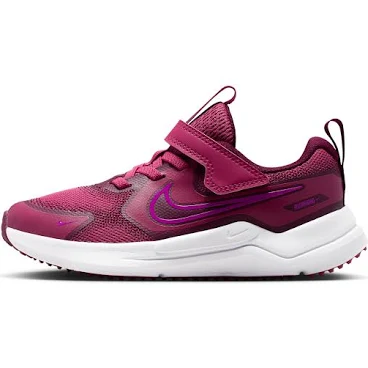
| Toddler/pre-school shoe | Nike | Easy Velcro straps, soft cushioning, smaller sizing | Little ones who’ll outgrow them quickly but wear them hard |
| Everyday budget runner | Value retailer (e.g. leading retailers-style) | Lightweight foam sole, Velcro or lace options, breathable upper | Everyday school and play wear, fast-growing feet |
| Budget casual sneaker | Value retailer | Casual styling, basic support, affordable to replace | Casual outings and general knockabout use |
The key takeaway? Neither option is universally “better.” It comes down to how your child uses their shoes, how fast they’re growing, and what your budget comfortably allows.
Want to see how these stack up? We’ve reviewed 27 kids shoes in total.
When It’s Worth Spending On Nike (And When It Isn’t)
Here’s our honest, friend-to-friend guidance on where the premium genuinely pays off.
Worth the splurge if:
- Your child does regular structured sport, athletics, soccer, netball, basketball, where cushioning and support reduce fatigue and help protect growing joints.
- Your child’s feet have slowed down growing (often from around age 8–10), so a quality pair will actually last a full season or more.
- You have an older child or tween for whom the right shoes matter socially, and you’d rather invest in one good pair than replace cheaper ones they refuse to wear.
- Your child is particularly hard on shoes and cheaper pairs are falling apart within weeks, sometimes the durable option is cheaper over time.
Probably not worth it if:
- You’ve got a toddler or pre-schooler whose feet are growing rapidly, you’ll be replacing shoes every few months regardless.
- The shoes are purely for casual, everyday knockabout use and won’t see serious activity.
- Your budget is tight this term and a quality budget pair will genuinely tide you over. There is zero shame in this, it’s smart parenting.
- Your child destroys shoes indiscriminately, in which case spending big just means more expensive casualties.
A middle-ground strategy many mums swear by: buy one good pair of running shoes for kids for sport, and keep a cheaper pair of kids casual shoes for everyday wear and play. Best of both worlds, and the good shoes last longer because they’re not worn every single day.
Fit, Foot Health And Safety: What Actually Matters
Here’s the thing that surprises many parents, for growing feet, correct fit matters far more than the brand on the side. A perfectly fitted budget shoe will do more good than an expensive shoe in the wrong size.
Children’s feet develop rapidly, and ill-fitting shoes can affect the way they walk and grow. Podiatrists generally recommend checking that there’s about a thumb’s width of space between the longest toe and the end of the shoe, and that the heel is snug without slipping. Check fit in the afternoon when feet are at their largest, and always have both feet measured, as they can differ.
Because kids’ feet can grow up to two full sizes a year in the early years, it’s worth re-checking every couple of months, even if the shoes still look fine on the outside. A shoe that’s become too small can cause discomfort long before your child says anything about it.
On the safety front, look for shoes with a firm, non-slip sole, a supportive heel counter and secure fastening, Velcro for younger children who can’t manage laces reliably. In Australia, consumer products including children’s footwear are regulated under the ACCC’s product safety framework, so shoes sold through reputable outlets should meet basic safety expectations. Still, always give a new pair a once-over for small parts, secure stitching and anything that could come loose on a very young child.
One more tip: avoid buying shoes several sizes too big to “grow into.” Oversized shoes can cause tripping and change your child’s gait. A little growing room is sensible; a lot is a hazard.
Making Kids’ Shoes Last Longer (Whatever You Buy)
Whether you go premium or budget, a few simple habits will stretch every pair further and save you money over the year.
- Rotate two pairs. Shoes worn every single day break down faster because the cushioning doesn’t get time to recover. Alternating pairs extends the life of both.
- Undo the fastenings. Teach kids to loosen laces or Velcro before yanking shoes off, jamming feet in and out crushes the heel counter over time.
- Air them out. After sport or a hot Aussie summer’s day, let shoes dry in a well-ventilated spot (not in direct blazing sun, which can degrade materials and glue).
- Spot-clean rather than machine-wash. Chucking shoes in the washing machine can break down adhesives and cushioning. A damp cloth and a soft brush usually does the trick.
- Buy end-of-season. Shoe prices tend to soften at seasonal changeovers. If you can predict a size ahead for a slower-growing child, you can snag a bargain on a quality pair.
These habits matter most with pricier shoes, where getting a full year of wear genuinely changes the cost-per-wear calculation.
Seasonal Considerations For Australian Kids
Australia’s climate makes footwear choices a little different to the northern hemisphere marketing you’ll often see. In our hot summers, breathability is king, look for mesh uppers that let little feet breathe, whether that’s on a premium runner or a budget pair. Sweaty, enclosed feet are uncomfortable and can lead to blisters and odour.
For the cooler, wetter months across the southern states, a slightly more enclosed, water-resistant shoe with good grip helps with slippery footpaths and playgrounds. If your kids are into winter sport, a supportive runner earns its keep here.
Keep in mind that many Australian schools have footwear requirements, often black leather-look shoes for the classroom and separate joggers for sport days. This is where a two-pair strategy really shines: you don’t need premium performance shoes for everyday classroom wear, so a budget pair covers that, freeing up budget for one solid pair of sport shoes.
mum.com.au Approved: Our Honest Recommendation
After weighing it all up, here’s where we land, and it’s genuinely about matching the shoe to your child, not chasing a brand.
For active, sporty kids (roughly age 8+): A quality pair of Nike running shoes for kids earns its keep. The cushioning, support and durability genuinely help when feet have slowed growing and the shoes will get a full season of hard use. Expect an approx. RRP of $110–$150 in 2026.
For toddlers and fast-growing little ones: Save your money. Budget kids casual shoes in the $12–$30 approx. range are the smart, sensible choice when feet are changing size every few months. Spend the difference on the next size up.
For the style-conscious tween: A mid-range to premium lifestyle sneaker can be worth it, both for durability and for the confidence that comes with wearing shoes they actually love. One pair they’ll happily wear beats three pairs gathering dust.
Our overall verdict: The best value approach for most families is a two-pair system, one budget everyday pair, one quality sport pair. It caps your spend, extends the life of the good shoes, and covers every situation your child will face from the classroom to the athletics track.
Prices shift constantly across the year, so before you buy, it always pays to check current pricing.
Our top pick across the board for most Australian families.
The value choice when you want the essentials without overspending.
The splurge pick if you want the most features and finish.
Frequently Asked Questions
Are Nike kids’ shoes really better quality than cheaper brands?
In general, premium Nike shoes offer better cushioning, more reliable sizing and greater durability than very cheap options. But “better” only matters if your child uses those features, for casual everyday wear, a well-fitted budget shoe performs perfectly well. The biggest quality factor for growing feet is correct fit, not the brand.
How often should I replace my child’s shoes?
It depends on their age and growth rate. Young children can grow up to two sizes a year, so check fit every couple of months. Replace shoes when they become too small (before your child complains), when the sole tread has worn smooth, or when the support has broken down. Looking fine on the outside doesn’t always mean they still fit properly inside.
Is it safe to buy shoes a size too big so they last longer?
A small amount of growing room, about a thumb’s width at the toe, is sensible and recommended. But buying shoes significantly too big can cause tripping and affect how your child walks. Stick to modest growing room rather than sizing up dramatically.
Can I put kids’ shoes in the washing machine?
It’s best avoided, especially with pricier shoes, as it can break down glue and cushioning. Spot-clean with a damp cloth and soft brush instead, and air-dry away from direct harsh sun. This keeps both budget and premium shoes in shape for longer.
Do budget shoes meet Australian safety standards?
Children’s footwear sold through reputable Australian outlets falls under the ACCC’s product safety framework, so budget shoes from established retailers should meet basic safety expectations. Always still check new shoes for secure stitching, firm non-slip soles and, for very young children, no small parts that could come loose.
The Bottom Line
So, are kids Nike shoes worth $120+ over leading retailers runners? The honest answer is: sometimes. For an active, sporty child with feet that have slowed growing, a quality pair genuinely pays off in comfort, support and durability. For a fast-growing toddler or purely casual everyday wear, budget runners are the smart, guilt-free choice, and there’s absolutely nothing wrong with that.
The real winner for most Australian families is the two-pair strategy: a budget everyday pair and one good sport pair. It protects your wallet, extends the life of the shoes that matter, and covers every part of your child’s busy week. Whatever you choose, remember that correct fit and a bit of shoe-care go further than any logo. You’ve got this, mum.
Where to buy these picks
✓ Verified prices are checked live at the retailer. Otherwise we show the approximate RRP (an indicative recommended price, not a live retailer price), or “price pending” where we don’t have one.
Performance youth runner
★ Best for active sport
Toddler/pre-school shoe
Best for rough play
Lifestyle sneaker
Best for tweens' style
The shortlist, in your inbox
New winners, price drops and recalls worth knowing.