
Baby Safe Sleep Australia 2026: Red Nose Guidelines Every Mum Must Know
If you’ve ever stood beside the cot at 2am, watching your little one’s chest rise and fall and silently willing them to keep breathing, you are not alone. Safe sleep is one of the things that keeps new mums up at night, quite literally. The good news is that here in Australia, we have some of the clearest, most evidence-based safe sleep guidance in the world, thanks to the wonderful team at Red Nose.
The trouble is, there’s also a mountain of conflicting advice out there. Your mum swears by tummy sleeping (because that’s what they did in the eighties), the internet is full of pretty nursery photos stuffed with cushions and bumpers, and well-meaning relatives keep gifting you things that, frankly, don’t belong anywhere near a sleeping baby. It can feel overwhelming.
So let’s cut through the noise together. This is your warm, no-judgement guide to baby sleep in 2026, the current Red Nose guidelines, the gear that genuinely helps, the Australian safety standards worth knowing, and the practical tips that will hopefully give you a little more peace of mind. Grab a cuppa, and let’s get into it.
The Six Red Nose Safe Sleep Principles Every Mum Should Know
Red Nose (formerly SIDS and Kids) is Australia’s leading authority on safe infant sleep, and their guidance has helped reduce sudden infant death in this country by around 85% since the early nineties. Their advice is built on decades of research, and it’s refreshingly straightforward. Here are the six core principles that underpin safe baby sleep in 2026:
- Always sleep baby on their back. Never on the tummy or side, from birth. Back sleeping keeps their airway clear and is the single most protective thing you can do.
- Keep baby’s head and face uncovered. This is where a good baby sleeping bag really earns its keep, more on that shortly.
- Keep baby smoke-free, before and after birth. A smoke-free environment dramatically reduces risk.
- Provide a safe sleeping environment, night and day. A safe cot, a safe mattress, and safe bedding (or no loose bedding at all).
- Sleep baby in their own safe sleep space in the same room as a parent or caregiver for the first 6 to 12 months. Room sharing, not bed sharing.
- Breastfeed baby where possible. Breastfeeding has a protective effect, though we know it isn’t possible or right for every family, and that’s perfectly okay.
Keep these six principles tucked in the back of your mind, and you’ll already be doing the most important things right. Everything else in this article simply builds on these foundations.
Why a Baby Sleeping Bag Is the Safest Bedding Choice
If there’s one piece of nursery gear that has genuinely changed safe sleep for the better, it’s the humble baby sleeping bag. Loose blankets are one of the trickiest parts of the safe sleep equation, they can ride up over a baby’s face or cause overheating. A well-fitted baby sleep bag solves both problems at once, which is why so many Australian mums consider it an absolute essential.
A baby sleeping bag (also sold as a baby sleep sack or baby sleeptime sleeping bag) is a wearable blanket. It zips up around your little one, keeping them cosy from the chest down while leaving their head and face completely uncovered, exactly as Red Nose recommends. Because it can’t be kicked off or pulled up, there’s no loose fabric to worry about, and your baby stays at a more consistent temperature through the night.
When choosing a baby sleep sack, look for these features:
- A correctly fitted neck and armholes. The bag should be snug enough around the neck and shoulders that baby can’t slip down inside it. This is non-negotiable for safety.
- An appropriate TOG rating. TOG measures warmth. A lighter TOG (around 0.5 to 1.0) suits warm Australian summers, while a higher TOG (2.5 or above) is for cooler winter nights. We’ll cover dressing by season below.
- No hood. Hoods on a sleeping baby are a covering hazard.
- Roomy at the bottom. Baby’s legs and hips need space to move freely for healthy development.
You’ll find quality baby sleeping bags in Australia priced from around $40 to $90 (approx. RRP), with premium organic cotton and merino options sometimes reaching $100 or more. It’s worth having two or three in rotation, because, as every mum knows, there will be nappy explosions and unexpected washes.
Baby Sleep Suits vs Sleeping Bags: What’s the Difference?
This is one of the most common points of confusion, so let’s clear it up. The terms get used interchangeably, but they’re not quite the same thing.
A baby sleep suit (sometimes written as baby sleepsuit) usually refers to an all-in-one garment with legs, think of a footed onesie or a padded snowsuit-style suit with arm and leg coverage. Baby sleep suits are what your little one wears on their body. Lightweight cotton baby sleepsuits make a lovely base layer year-round, while padded baby sleep suits offer extra warmth without any loose fabric.
A baby sleeping bag, on the other hand, goes over the top, it’s the wearable blanket that replaces a loose blanket. Many mums use both together: a cotton baby sleep suit as a base layer, with a baby sleeping bag over the top for warmth.
Then there are baby sleepers, a broad term that can mean simple footed pyjamas, swaddle-style garments for newborns, or transitional products. A newborn baby sleeper with a swaddle wrap can be lovely in those very early weeks, but remember: once your baby shows any sign of rolling, all swaddling must stop and arms should be free. A baby sleeper that converts to an arms-free sleeping bag is a clever buy for exactly this reason.
Here’s a simple way to remember it: baby sleep suits and baby sleepers are the clothing; the baby sleep bag is the bedding. Combine them sensibly and you’ll keep your little one cosy and safe without a single loose blanket in sight.
Setting Up a Safe Cot the Australian Way
A safe sleep environment starts with the cot itself. In Australia, cots must comply with the mandatory safety standard AS/NZS 2172, which is regulated by the ACCC. If you’re buying new, any cot sold legally in Australia will meet this standard, but if you’re using a hand-me-down or second-hand cot, it’s well worth checking it complies and that no parts are broken, missing, or recalled.
Here’s what a safe cot setup looks like:
- A firm, flat, well-fitting mattress. The mattress should be clean, firm, and fit snugly with no more than a 20mm gap around the edges. A soft or sagging mattress is a suffocation risk.
- A bare cot. No pillows, no doonas, no cot bumpers, no soft toys, no positioners or wedges. It might look bare compared to the dreamy nurseries on social media, but bare is exactly what keeps your baby safe.
- Tucked-in bedding, or no bedding. If you’re not using a baby sleeping bag, use lightweight blankets tucked firmly in, no higher than baby’s chest, with baby positioned with their feet to the bottom of the cot (“feet to foot”). Honestly though, a baby sleep bag makes this so much simpler.
- No incline. Inclined sleepers and products that prop baby up are not recommended. Baby should sleep flat on their back.
- Cot placement. Keep the cot away from blind and curtain cords, heaters, and anything baby could reach and pull into the cot.
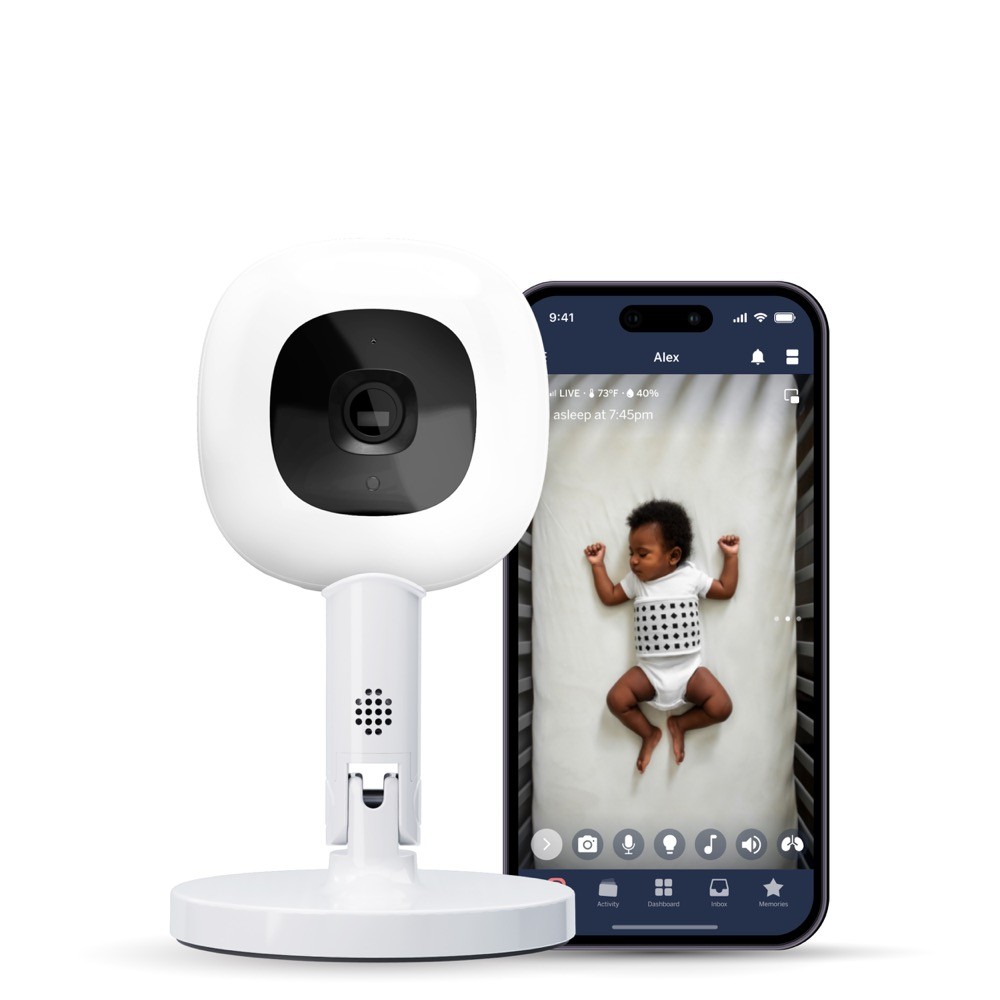
Red Nose also reminds us that products marketed as making sleep “safer”, like special mattresses, positioners, or monitors, are not a substitute for following the safe sleep guidelines. The simple, bare cot is still the gold standard.
Dressing Baby for Sleep Across the Australian Seasons
Australia’s climate is wildly varied, a winter night in Hobart is a different beast to a summer evening in Darwin, so there’s no single right answer. The goal is to keep baby comfortably warm but never overheated, because overheating is a known risk factor for SIDS.
A good rule of thumb: dress baby in roughly one more layer than you’d be comfortable in. Feel the back of their neck or their chest to check temperature, not their hands and feet, which are often cool even on a perfectly warm baby. If they feel sweaty or clammy, strip back a layer.
Here’s a rough seasonal guide using TOG-rated baby sleeping bags:
- Summer (warm nights, 24°C+): A 0.5 TOG baby sleep sack over just a nappy or a short-sleeved bodysuit. In very hot, humid northern regions, a light muslin sleeping bag or even just a nappy and singlet may be plenty.
- Spring and autumn (18–23°C): A 1.0 TOG baby sleeping bag over a cotton baby sleepsuit or bodysuit works beautifully.
- Winter (under 18°C): A 2.5 TOG (or higher) baby sleep bag over a long-sleeved baby sleep suit. In genuinely cold southern winters, you can add a long-sleeved cotton singlet underneath.
A quick but important note: never use a beanie or hat for sleep, and never cover your baby’s head. Babies regulate their temperature largely through their head, so keeping it uncovered is essential. And resist the urge to crank the heater all night, a room temperature of around 18 to 22°C is ideal.
Safe Sleep for Newborns: Swaddling and Settling
Those first weeks are a blur, aren’t they? Newborns sleep a lot, often 16 hours or more across a day, but in short, unpredictable stretches. Knowing how to settle them safely makes the whole thing a little gentler on everyone.
Swaddling can be wonderful for newborns. A snug wrap can soothe the startle reflex and help baby settle. If you swaddle, follow these safety points:
- Use a lightweight, breathable fabric like cotton or muslin to avoid overheating.
- Wrap firmly around the chest but leave plenty of room around the hips and legs so they can bend and move (this protects healthy hip development).
- Always place a swaddled baby on their back, never the side or tummy.
- Stop swaddling the moment baby shows any sign of rolling, usually around 3 to 6 months. At this point, transition to an arms-free baby sleeping bag.
Many newborn baby sleepers are designed as transitional products, they start as a swaddle and convert to an arms-out sleep bag, which makes the change less disruptive. They’re a genuinely useful buy if you’d rather not purchase separate products at each stage.
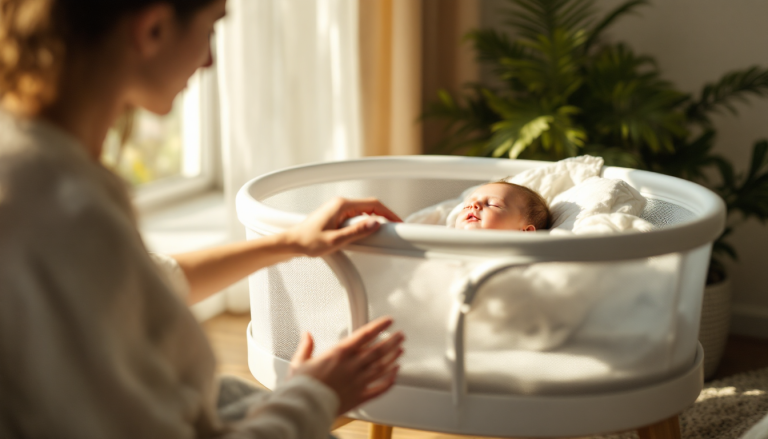
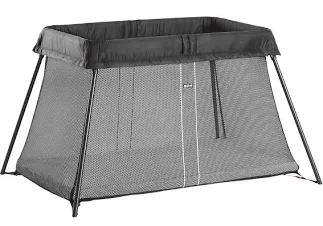
When it comes to settling, room sharing makes night feeds and resettling so much easier. Pop baby back in their own safe sleep space (a cot, bassinet, or portacot that meets Australian standards) after each feed. It’s tempting to drift off with baby in your bed, especially when you’re exhausted, and we’re not here to judge, but bed sharing carries increased risk, particularly if anyone has been drinking, smoking, is very tired, or has taken medication that causes drowsiness.
mum.com.au Approved: Baby Sleep Essentials Worth Buying
The big question is what’s actually worth the money when it comes to baby sleep gear. Here’s our honest rundown of the categories that genuinely make safe sleep easier, based on Red Nose guidelines and feedback from real mums. Remember, the best product is the one that fits your baby correctly and suits your climate, not necessarily the most expensive one on the shelf.
| Product | Type | Key Features | Best For |
|---|---|---|---|
| All-season cotton sleeping bag | Baby sleeping bag | 1.0 TOG, breathable cotton, fitted neck and armholes, two-way zip | Year-round use in temperate regions |
| Merino winter sleep sack | Baby sleep sack | 2.5 TOG, natural temperature regulation, hip-healthy design | Cold southern winters |
| Lightweight muslin sleep bag | Baby sleeptime sleeping bag | 0.5 TOG, ultra-breathable, lightweight muslin | Hot summers and northern climates |
| Convertible swaddle-to-sleep bag | Baby sleeper | Starts as swaddle, converts to arms-free, transitional design | Newborns through the rolling stage |
| Cotton footed sleep suit | Baby sleep suit | Soft cotton base layer, easy nappy-change zip, no hood | Layering under a sleeping bag |
| Standard-compliant cot mattress | Sleep surface | Firm, flat, AS/NZS compliant, snug fit | Every safe cot setup |
Our overall advice? Invest in two good-quality baby sleeping bags in the right TOG for your climate, a couple of cotton baby sleepsuits for layering, and a firm, standards-compliant mattress. That combination covers the essentials without the nursery costing a fortune. Prices shift across the year, so it pays to compare.
Common Safe Sleep Mistakes (and Easy Fixes)
Even the most clued-up mums slip into a few habits that aren’t quite safe-sleep approved. No guilt here, just gentle fixes:
- The cot looks too cosy. Those adorable bumpers, plush toys, and matching quilts in the nursery sets are decorative, not functional. Keep them out of the cot. Fix: a bare cot plus a baby sleep bag.
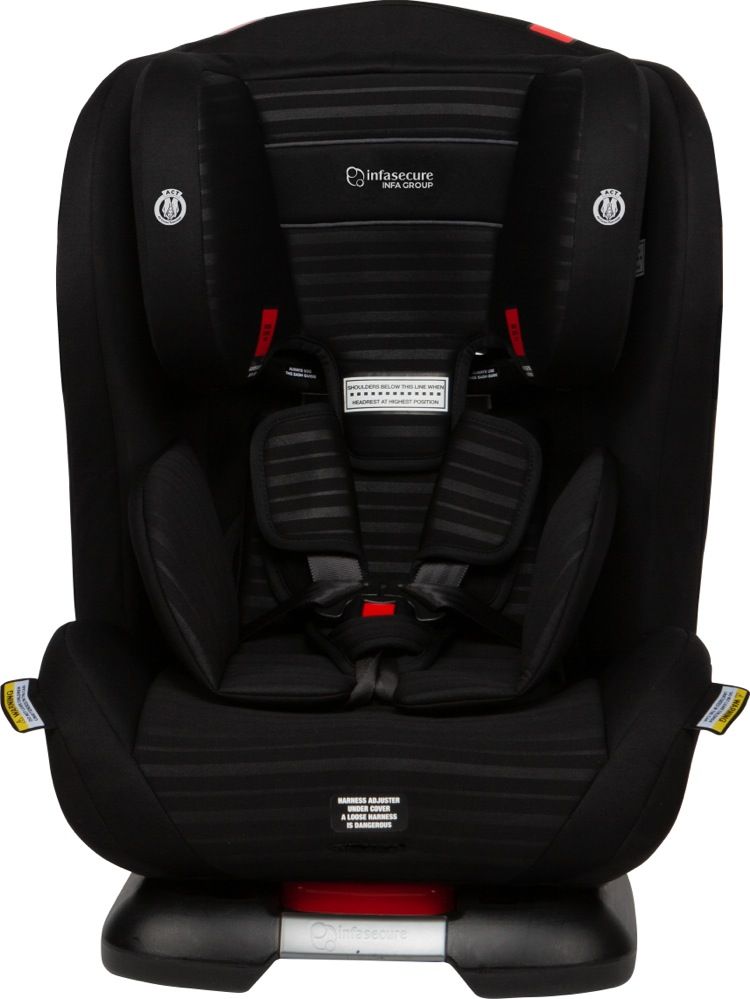
- Letting baby sleep in the car seat or bouncer for long stretches. These aren’t safe sleep surfaces because baby’s airway can be compromised in a semi-upright position. Fix: transfer to a flat cot or bassinet for proper sleeps.
- Overdressing in winter. Layering a sleep suit, a heavy sleeping bag, and blankets is a recipe for overheating. Fix: choose the right TOG and check the back of baby’s neck.
- Using a positioner or wedge. These are not recommended by Red Nose. Fix: trust the flat, firm mattress.
- Relying on a monitor for safety. Movement and breathing monitors can offer reassurance but don’t prevent SIDS and aren’t a substitute for safe sleep practices. Fix: room share and follow the six principles.
Frequently Asked Questions
When can my baby sleep with a blanket or pillow?
Red Nose recommends keeping pillows, doonas, and loose bedding out of the sleep space for at least the first 12 months, and ideally beyond. Pillows aren’t recommended until around two years of age. Until then, a baby sleeping bag is the safest way to keep your little one warm without any loose bedding.
What TOG baby sleep bag do I need for an Australian winter?
For most southern Australian winters, a 2.5 TOG baby sleeping bag over a long-sleeved cotton baby sleep suit is ideal when the room is around 16 to 18°C. In milder northern winters, a 1.0 TOG bag may be plenty. Always check baby’s chest or neck temperature rather than relying on the chart alone, every baby and every home is different.
Is it safe to use a second-hand cot or mattress?
A second-hand cot can be perfectly safe if it meets the current Australian standard (AS/NZS 2172), has no broken or missing parts, and hasn’t been recalled. For mattresses, Red Nose suggests using a new, firm, well-fitting mattress where possible, or a clean and firm second-hand one that’s in good condition with a waterproof, breathable cover. A soft or sagging mattress should never be used.
My baby keeps rolling onto their tummy. What should I do?
Always place your baby on their back to sleep. Once your baby can roll both ways independently (usually from around 5 to 6 months), it’s fine to let them find their own comfortable sleeping position. At this stage, make sure they’re in an arms-free baby sleeping bag rather than a swaddle, keep the cot bare, and they’ll be safe to settle as they please.
Do I really need to room share for a whole year?
Red Nose recommends baby sleeps in their own safe sleep space in the same room as a parent or caregiver for the first 6 to 12 months, as this is associated with a lower risk of SIDS. Many families move baby to their own room somewhere between 6 and 12 months. Do what works for your family within that window, there’s flexibility there.
The Bottom Line
Safe baby sleep doesn’t have to be complicated or stressful. Strip it back to the basics: baby on their back, in a bare cot, head and face uncovered, in their own safe space in your room, in a smoke-free home. A well-fitted baby sleeping bag in the right TOG for your climate does so much of the heavy lifting, it keeps your little one cosy, removes the worry of loose blankets, and ticks the Red Nose box all at once.
Our genuine recommendation for 2026? Build your sleep kit around two quality baby sleeping bags (one lighter, one warmer, suited to your part of Australia), a couple of soft cotton baby sleepsuits for layering, and a firm, standards-compliant mattress. That’s the trusted-friend advice we’d give over a cuppa, practical, safe, and kind to your budget.
You’re already doing a wonderful job simply by reading up on this. Trust the guidelines, trust your instincts, and know that the team at Red Nose and the community here at mum.com.au have your back. Sweet dreams, mum, to you and your little one.
The shortlist, in your inbox
New winners, price drops and recalls worth knowing.