

Best Nipple Cream Australia 2026: Lansinoh vs Medela vs Natural Options
Somewhere around week two of breastfeeding, a lot of Australian mums find themselves standing in the pharmacy aisle at 11pm, phone torch on, trying to work out which little tube is actually going to help. Cracked, tender nipples are one of those things nobody quite prepares you for, and by the time you’re searching for a cream on nipple relief, you’re usually not in the mood to read six blog posts and three Facebook mums’ groups to get an answer.
So we’ve done that homework for you. This guide looks at the nipple creams Australian pharmacies and baby stores actually stock in 2026, how the big lanolin names (Lansinoh and Medela) genuinely differ, and where a natural, lanolin-free option earns its place in the nappy bag instead.
A quick note before we start: persistent pain, a burning sensation, or nipples that look white then red after a feed can point to a latch issue or thrush rather than something a cream alone will fix. This guide covers the creams; if pain isn’t easing within a few days, a lactation consultant or your GP is the next call, not a bigger tube of cream.
What to look for in a nipple cream
Not every cream marketed at breastfeeding mums is actually meant to go on skin that’s about to end up in a baby’s mouth. Before you add anything to the cart, run it past this checklist.
- No need to wipe off before feeding: modern medical-grade lanolin and most natural balms are safe to leave on, which matters at 3am when you cannot face another step.
- Short, recognisable ingredient list: the fewer additives, preservatives and fragrances, the lower the chance of an allergic reaction on already-irritated skin.
- Purpose-built for nipple or breastfeeding use: general moisturisers or nappy rash creams are not formulated or tested for this, even if a well-meaning relative swears by one.
- Texture you’ll actually tolerate: some lanolin balms are thick and tacky, which some mums find soothing and others find claggy under a nursing bra pad.
- Lanolin-free option available if needed: wool allergies are rare but real, and some mums simply prefer a plant-based formula.
Our picks for 2026
1. Lansinoh HPA Lanolin
Lansinoh’s lanolin is the cream most Australian hospitals and lactation consultants hand new mums in the first days after birth, and it’s stayed the benchmark for a reason. It’s a single-ingredient, ultra-purified lanolin with no additives, preservatives or fragrance, which matters enormously on skin that’s already compromised.
It doesn’t need to be washed off before a feed, and a little goes a long way, so one tube tends to outlast the sore-nipple phase for most mums. The trade-off is texture: it’s thick and can feel greasy through a bra pad, and a small number of mums with a wool sensitivity should patch-test first since lanolin is derived from sheep’s wool.
- Single-ingredient, highly purified medical-grade lanolin
- No need to remove before breastfeeding
- Widely recommended by Australian lactation consultants
- Thick, tacky texture some mums find heavy
- Approx. RRP $15 to $20 for a 37g tube
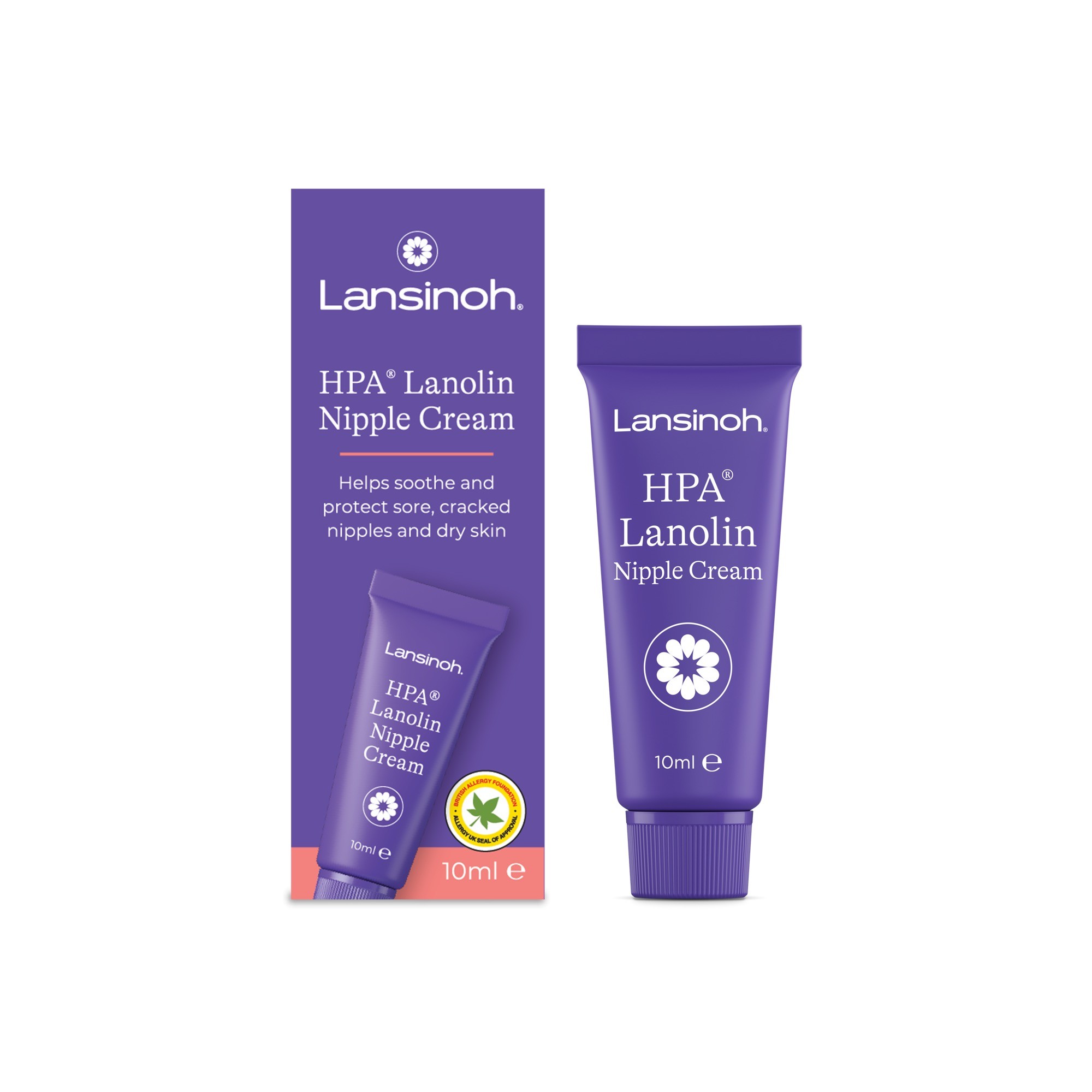
Lansinoh HPA Lanolin
2. Medela Purelan
Medela’s answer to Lansinoh is near-identical in formulation: 100% purified lanolin, nothing else added, and safe left on the skin between feeds. If you already own other Medela gear like breast pump parts or nursing pads, this is the natural pairing and the pricing usually lands in the same bracket as Lansinoh.
The honest difference between these two is marginal and mostly comes down to which tube you can find on the day, or which texture your skin prefers, since some mums report Medela’s version feels slightly softer to spread. Neither is objectively “better”; both meet the same job description.
- 100% purified lanolin, fragrance and preservative free
- Comparable performance and price to Lansinoh
- Screw-cap tube some mums find easier to use one-handed
- Same wool-derived caution applies for lanolin sensitivity
- Approx. RRP $15 to $20 for a 37g tube
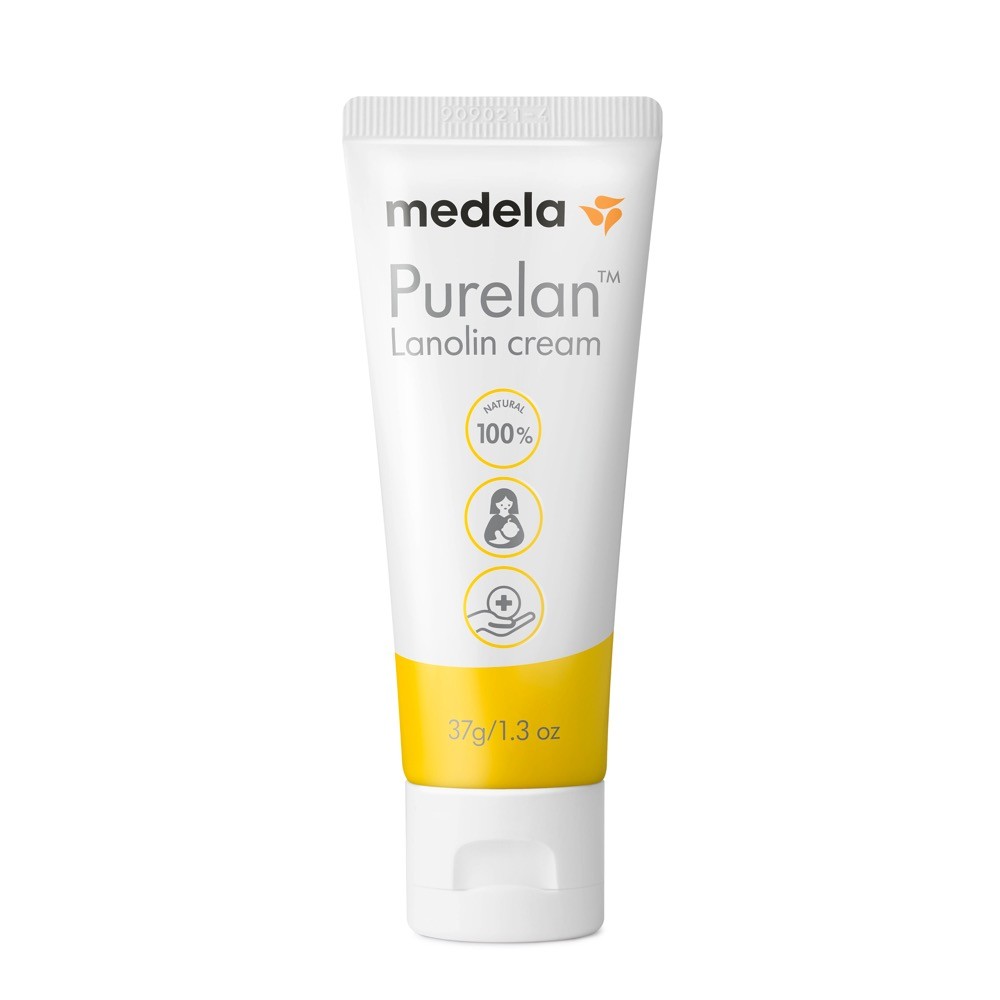
Medela PureLan 100
3. MooGoo Udder Cream
MooGoo is an Australian-made skincare brand, and its Udder Cream (originally formulated for dairy cows, now a cult favourite among breastfeeding mums) is a genuinely different formula to the lanolin duo above. It’s lanolin-free, built around natural oils and a light, less occlusive texture, which makes it a solid pick for mums who found lanolin too heavy or who want something that also sits comfortably on the rest of dry, cracked skin.
It’s not marketed specifically as a nipple cream, so double-check the label and patch-test first, and it should still be wiped off before a feed unless you’ve confirmed otherwise with the packaging, since formulations can vary by product line.
- Lanolin-free, made in Australia
- Lighter texture, less greasy feel than pure lanolin
- Multi-purpose (works on dry, cracked skin generally)
- Not purpose-built or tested specifically as a nipple cream
- Approx. RRP $12 to $18 depending on tub size

MooGoo Udder Cream
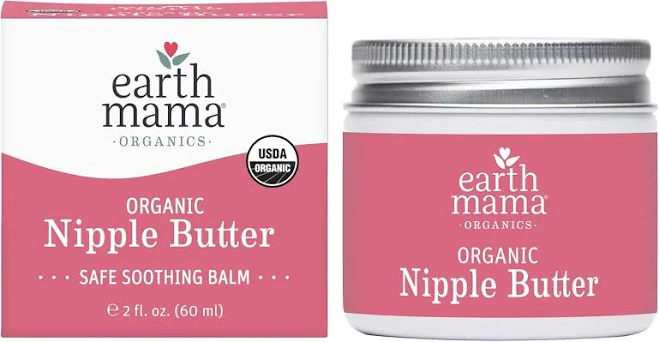
4. Earth Mama Organic Nipple Butter
For mums who want a fully plant-based, certified organic option, Earth Mama’s Nipple Butter is the most established name imported into Australia. It’s made from a blend of shea butter, cocoa butter and olive oil rather than lanolin, and it’s formulated to be food-safe without wiping off, which is a genuine point of difference if you dislike the idea of anything animal-derived near a feed.
It costs noticeably more than the lanolin options and the local natural alternative, largely because it’s an imported specialty product, but it’s a fair pick for mums with a lanolin sensitivity or a preference for vegan skincare.
- Certified organic, plant-based, vegan formula
- Safe to leave on before feeding
- Pleasant, mild natural scent (marshmallow root and calendula)
- Pricier than the lanolin-based options, being imported
- Approx. RRP $22 to $28 for a small tub
Earth Mama Organic Nipple Butter
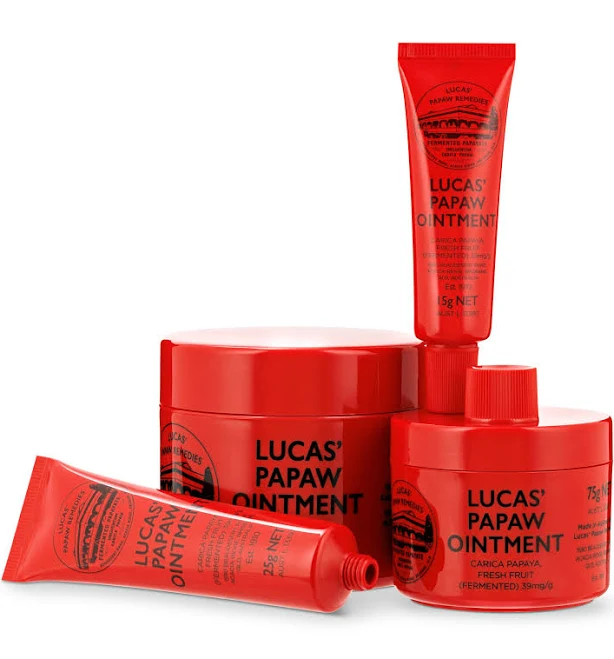
5. Lucas’ Papaw Ointment
This one’s the wildcard, and we’re including it because so many Australian mums genuinely reach for it: Lucas’ Papaw Ointment is an old-school Australian pantry staple, not a purpose-built nipple cream, but it’s cheap, widely trusted for minor skin irritation, and plenty of mums use it on sore, cracked nipples in the early weeks.
Because it isn’t formulated or tested specifically for breastfeeding use, it should be wiped off before a feed, and it won’t outperform a proper lanolin balm on deep cracking. Think of it as a genuinely honest budget fallback rather than a first-choice recommendation.
- Very low cost and easy to find
- Familiar, gentle formula many mums already have at home
- Must be wiped off before feeding
- Not purpose-built or medically tested for nipple use specifically
- Approx. RRP $6 to $10 for a small tube
Lansinoh vs Medela vs natural options: how they actually differ
The honest answer, once you strip away the branding, is that Lansinoh and Medela are near-identical products. Both are ultra-purified lanolin, both are single-ingredient, and both are safe to leave on between feeds. If you’ve been told to choose one over the other for a medical reason, it’s more likely about texture preference or whichever tube is on your hospital’s approved list than any real formulation gap.
Where the real decision sits is lanolin versus natural. Lanolin’s advantage is decades of use, a thick barrier that suits deep cracking, and being genuinely food-safe without needing to wipe off. A natural, plant-based cream like Earth Mama’s or a lighter option like MooGoo suits mums who:
- Have a known or suspected wool/lanolin sensitivity
- Prefer a vegan or fully plant-derived skincare routine
- Find lanolin too heavy or tacky under nursing pads
- Want a cream that also works on other dry or irritated skin
For most mums with straightforward cracked-nipple soreness in the first few weeks, a lanolin balm remains the most evidence-backed, hospital-recommended starting point.
At a glance: how the picks compare
| Product | Brand | Approx RRP | Key features | Best for |
|---|---|---|---|---|
| HPA Lanolin #1 | Lansinoh | $15 to $20 | Single-ingredient purified lanolin, no wipe-off needed | Most mums, hospital-standard first choice |
| Purelan | Medela | $15 to $20 | 100% purified lanolin, softer spread texture | Mums already using Medela pump gear |
| Udder Cream | MooGoo | $12 to $18 | Lanolin-free, lighter texture, Australian made | Mums wanting a lighter, multi-use natural option |
| Organic Nipple Butter Premium | Earth Mama | $22 to $28 | Certified organic, vegan, food-safe formula | Lanolin-sensitive or vegan-preference mums |
| Papaw Ointment Budget | Lucas’ | $6 to $10 | Familiar pantry staple, must wipe off before feeds | Mild irritation on a tight budget |
Not sure yet? Put all 8 breastfeeding support we rate next to each other.
Getting the most out of any nipple cream
Even the best cream on nipple skin won’t do much if the underlying cause of the soreness isn’t addressed. A few practical habits make a real difference alongside whichever product you choose.
- Apply a pea-sized amount after each feed, not before, unless the product specifies it’s food-safe to leave on
- Air-dry nipples for a few minutes before covering with a bra pad where possible
- Change breast pads often; a damp pad against sore skin slows healing
- Get a latch checked by a lactation consultant if pain persists past the first week or two, since cream treats symptoms, not a poor latch
- Patch-test any new product on a small area first if you have sensitive skin or known allergies
What to skip
A few products turn up in search results or well-meaning advice threads that aren’t the right tool for this specific job.
- General body moisturisers or baby lotions: not formulated or tested for use immediately before a feed
- Nappy rash creams: often contain zinc oxide or fragrances not intended for ingestion
- Anything containing added fragrance or essential oils directly on cracked skin, which can sting and irritate further
- DIY remedies without a purified, food-safe base, however well-intentioned the advice
Lucas' Papaw Ointment
mum. Approved: our top 3 for 2026
The hospital-standard lanolin balm that works for the vast majority of mums and needs no wiping off.
An honest, low-cost fallback for mild irritation, not a substitute for purpose-built cream.
A certified organic, vegan formula worth the extra cost for lanolin-sensitive mums.
If we had to choose one, the Lansinoh HPA Lanolin is our 2026 pick for most Australian mums, given how closely it mirrors what hospitals and lactation consultants already recommend. On a tighter budget, Lucas’ Papaw Ointment won’t let you down for mild soreness, and if lanolin isn’t right for your skin, the Earth Mama Organic Nipple Butter is the natural option worth the extra spend.
Frequently asked questions
Do I need to wipe nipple cream off before breastfeeding?
It depends on the product. Purified medical-grade lanolin (like Lansinoh and Medela’s versions) and food-safe organic balms are generally formulated to be left on and don’t need to be wiped away. General moisturisers, nappy creams, or products like Lucas’ Papaw Ointment aren’t tested for this and should be wiped off before a feed. Always check the label.
Is lanolin safe if I have a wool allergy?
Purified medical-grade lanolin has most of the allergenic components removed during processing, so reactions are rare, but they do happen. If you know you’re sensitive to wool or lanolin, patch-test a small amount first or choose a lanolin-free option like MooGoo Udder Cream or Earth Mama’s plant-based nipple butter instead.
How long does nipple soreness usually last?
Some tenderness in the first one to two weeks of breastfeeding is common while you and your baby find your rhythm. Pain that’s sharp, worsening, or lasting beyond two to three weeks usually points to a latch issue, tongue tie, or thrush rather than something cream alone will resolve, and it’s worth seeing a lactation consultant or GP.
Can I use the same nipple cream for cracked and just slightly dry nipples?
Yes. The same purified lanolin or natural balm used for cracking works equally well as a preventative moisturiser for dryness in the early weeks, before soreness becomes severe. Applying after every feed from day one, rather than waiting for cracking to start, is a common preventative habit.
Are natural nipple creams as effective as lanolin?
For general dryness and mild irritation, natural options like Earth Mama’s Organic Nipple Butter and MooGoo Udder Cream perform comparably well. For deeper cracking, purified lanolin has the longer track record and thicker barrier, which is why it remains the default recommendation from most Australian hospitals and lactation consultants.
Where to buy these picks
✓ Verified prices are checked live at the retailer. Otherwise we show the approximate RRP (an indicative recommended price, not a live retailer price), or “price pending” where we don’t have one.
Lansinoh HPA Lanolin
★ Best for sore nipples
All 4 prices we track for this pick
- Baby Village $19.99 checked 21 Oct 2026
- Baby Kingdom $19.99 checked 21 Oct 2026
- Baby Zone $22 checked 14 Oct 2026
- Baby Bunting $22.95 checked 18 Oct 2026
Lucas' Papaw Ointment
Best budget pick
Earth Mama Organic Nipple Butter
Best natural lanolin free
MooGoo Udder Cream
Best lighter natural option
The shortlist, in your inbox
New winners, price drops and recalls worth knowing.