
Best Baby Sleeping Bags Australia 2026: TOG Ratings, Safe Sleep & Top Picks
If you’ve ever stood over the cot at 2am wondering whether your little one is too hot, too cold, or about to kick off their blanket for the hundredth time, you’re in very good company. The humble baby sleeping bag has become one of the most loved items in the Aussie nursery, and for good reason. It keeps bub cosy without loose blankets, helps signal that it’s time for sleep, and gives you one less thing to worry about during those long nights.
But walk into the world of baby sleep gear in 2026 and it can feel overwhelming. TOG ratings, summer versus winter weights, swaddle wraps versus sleeping bags, organic cotton versus bamboo, where on earth do you start? We’ve done the legwork so you don’t have to.
In this guide, we’ll walk you through exactly how TOG ratings work, how to sleep your baby safely the Aussie way, and our honest pick of the best baby sleeping bags you can buy right now. Whether you’re shopping for a newborn baby swaddle or a roomy toddler baby sleep bag, we’ve got you covered.
What Is a Baby Sleeping Bag (and Why Aussie Mums Love Them)?
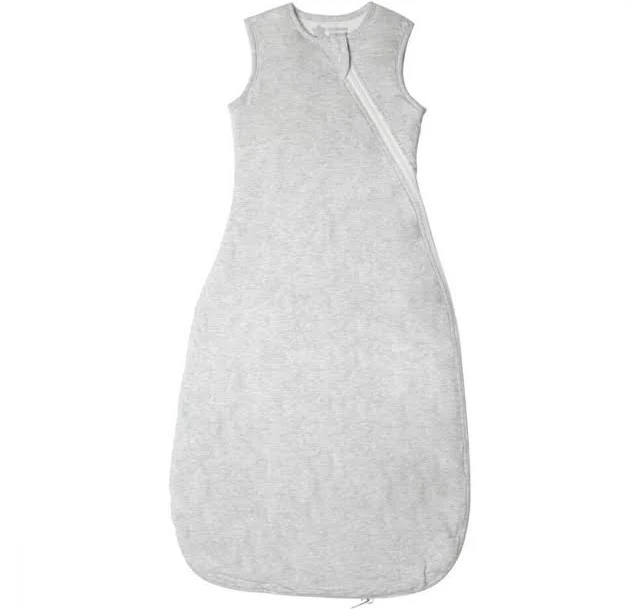
A baby sleeping bag is a wearable blanket, essentially a soft, sleeveless bag that zips or snaps around your baby, keeping their torso and legs warm while leaving their arms (and in many designs, their face) completely free. Unlike a traditional blanket, a sleeping bag baby option can’t be kicked off or pulled up over the face, which is a big part of why so many parents and health professionals prefer them.
For newborns, the journey often starts with a baby swaddle, a snug swaddle wrap baby design that mimics the cosy feeling of the womb and helps settle that startle reflex. As your little one grows and starts rolling (usually around 3 to 6 months), you’ll transition out of baby swaddles and into an arms-free or arms-out sleeping bag.
Here in Australia, where a single week can swing from a chilly southerly to a warm northerly, the right sleeping bag is a genuine game-changer. The trick is matching the warmth of the bag, measured in TOG, to the room temperature and season.
Understanding TOG Ratings: The Secret to Safe, Comfy Sleep
TOG stands for “Thermal Overall Grade” and it simply measures how warm a fabric is. The higher the TOG, the warmer the sleeping bag. Getting this right is the single most important factor in choosing a baby sleep bag, because an overheated baby is a safety concern, while a cold baby simply won’t settle.
Here’s a simple guide to TOG and room temperature:
- 0.2–0.5 TOG: Ideal for a summer sleeping bag baby setup, perfect for warm rooms around 24–27°C. Lightweight and breathable.
- 1.0 TOG: A great all-rounder for spring and autumn rooms around 20–24°C.
- 2.5 TOG: Your go-to winter sleeping bag baby weight for cooler rooms around 16–20°C.
- 3.5 TOG: Extra warmth for very cold rooms below 16°C, common in unheated homes in Tasmania, Victoria and the alpine regions.
A quick tip from us: always check what your baby is wearing underneath. In a 2.5 TOG bag in a 18°C room, a singlet and a long-sleeved sleepsuit is usually plenty. On a warm Queensland summer night, a 0.5 TOG bag over just a nappy and singlet may be all bub needs. Feel the back of their neck or chest (not hands and feet, which always run cool) to check they’re comfortable.
Safe Sleep the Australian Way: ACCC and Red Nose Guidelines
Before we get to the picks, let’s talk safety, because it matters more than any feature. In Australia, baby sleeping bags should meet the voluntary standard AS/NZS 1809, and products should comply with relevant ACCC safety guidance around small parts, fastenings and fire-warning labelling.
Red Nose, Australia’s leading authority on safe sleep, recommends a sleeping bag with a fitted neck and armholes, and no hood. This ensures the bag can’t slip up over your baby’s face. A few key points to keep in mind:
- Choose the correct size, the neck and armholes should be snug so baby can’t slip down inside the bag.
- Always place baby on their back to sleep, with feet near the bottom of the cot.
- Keep the cot free of pillows, loose blankets and soft toys.
- Never use a hooded sleeping bag, and remove any swaddle once baby shows signs of rolling.
When your baby starts rolling, it’s time to stop swaddling with the arms in. Many brands now offer transitional designs with removable wings or zip-off sleeves to make this stage easier.
Baby Swaddles vs Sleeping Bags: Which Stage Are You In?
Swaddle or sleeping bag is an easy one to get confused about, so let’s clear it up. A baby swaddle (or swaddle wrap baby) is designed for the newborn stage, wrapping the arms snugly to soothe the startle reflex. A baby sleeping bag is arms-free and designed for babies who can move more freely.
Our general rule of thumb:
- Newborn to ~3 months: Use baby swaddles or a zip-up swaddle suit with arms contained.
- ~3 to 6 months (signs of rolling): Transition to arms-out. Many products are designed exactly for this bridge.
- 6 months and beyond: A full arms-free sleeping bag is ideal and can be used well into toddlerhood.
Some clever products do double duty, like the Love To Dream Swaddle Up, which transitions through stages with zip-off wings. We’ll cover our favourites for each stage below.
The Best Baby Sleeping Bags in Australia 2026: Our Top Picks
After plenty of research, here are the baby sleeping bags and swaddles we genuinely rate in 2026. We’ve given honest pros and cons for each, plus an approximate RRP range to help you budget. Remember, these are approximate RRPs only, for live, verified pricing, use our comparison link at the end of the section.
ergoPouch Sleeping Bag, Best All-Rounder
The ergoPouch (often searched as the ergo baby sleeping bag) is an Aussie favourite for good reason. Made from organic cotton and bamboo, it’s beautifully soft, breathable and available in a full range of TOGs, including a 0.2 and 0.3 TOG for summer right through to a 3.5 TOG for cold winters. The roomy design gives growing legs space to move.
Pros: Wide TOG range, GOTS-certified organic cotton, generous sizing, two-way zip for easy nappy changes.
Cons: Sizing runs large, so the smallest size may swim on a newborn.
Approx. RRP: around $50–$80 depending on TOG and size.
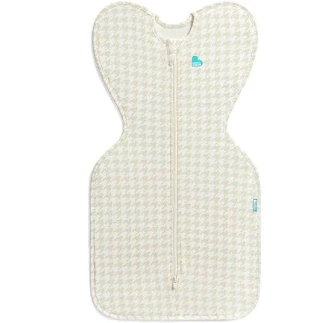
Love To Dream Swaddle Up, Best Newborn Baby Swaddle
If you’re in the newborn trenches, the Love To Dream Swaddle Up is a brilliant baby swaddle. Its unique arms-up design lets babies self-soothe by getting hands to their face while still feeling snug. The zip-off wings mean you can transition to arms-out when rolling begins, making it one of the most practical baby swaddles going around.
Pros: Allows natural arms-up position, easy transition stage, hip-healthy design.
Cons: Outgrown relatively quickly; you’ll move on once baby is rolling consistently.
Approx. RRP: around $40–$60.
Grobag (Tommee Tippee), Best for Easy Everyday Use
The original Grobag is a reliable, fuss-free baby sleep bag with a clear TOG and room-temperature guide printed right on it. The fitted neck and armholes meet safe-sleep recommendations, and the wide range of prints and weights makes it easy to build a year-round collection.
Pros: Clear temperature guidance, trusted brand, lots of designs.
Cons: Cotton-poly blends in some prints feel less breathable than pure natural fibres.
Approx. RRP: around $45–$70.
Bubba Bump / Bubba Blue Bamboo Sleeping Bag, Best Budget Pick
For families wanting natural fibres without the top-tier price tag, the Bubba Blue bamboo sleeping bag is a lovely option. Bamboo is naturally breathable and temperature-regulating, making it a nice choice for a summer sleeping bag baby or transitional weather.
Pros: Affordable, breathable bamboo, soft against newborn skin.
Cons: Narrower TOG range than premium brands; fewer ultra-warm winter options.
Approx. RRP: around $35–$55.
Woolbabe 3-Season Sleeping Bag, Best Winter Sleeping Bag Baby
For genuinely cold rooms, the Woolbabe (a Merino and organic cotton design from across the Tasman, widely loved here) is a standout winter sleeping bag baby option. Merino is brilliant at regulating temperature, so it keeps bub warm without overheating, and the side zips make dressing easy.
Pros: Superb temperature regulation, natural merino warmth, durable.
Cons: Premium price; requires gentle washing care.
Approx. RRP: around $90–$130.
Living Textiles Quilted Sleeping Bag, Best for Cosy Style
The Living Textiles quilted sleeping bag pairs a warmer 2.5 TOG fill with gorgeous, on-trend prints. It’s a comfy, well-priced choice for cooler nights when you want a little extra cosiness with plenty of style.
Pros: Stylish prints, good warmth for the price, soft quilted feel.
Cons: Limited summer-weight options in the range.
Approx. RRP: around $50–$75.
Comparison Table
| Product | Brand | Key features | Best for |
|---|---|---|---|
| Sleeping Bag | ergoPouch | Organic cotton/bamboo, wide TOG range, two-way zip | All-round year-round use |
| Swaddle Up | Love To Dream | Arms-up design, zip-off wings | Newborn swaddling |
| Grobag | Tommee Tippee | Printed TOG guide, fitted neck | Easy everyday use |
| Bamboo Sleeping Bag | Bubba Blue | Breathable bamboo, soft feel | Budget & summer |
| 3-Season Sleeping Bag | Woolbabe | Merino/organic cotton, side zips | Cold winters |
| Quilted Sleeping Bag | Living Textiles | 2.5 TOG, stylish prints | Cosy style |
We’ve reviewed 17 sleep aids in total — compare the full list before you decide.
How to Choose the Right Sleeping Bag for Your Baby
With so many great options, here’s how to narrow it down to the one that’s right for your family:
- Match the season: Most families end up with at least two, a light summer sleeping bag baby option and a warmer winter weight. A 1.0 TOG and a 2.5 TOG combination covers most Australian climates.
- Check the size: Buy for current size, not future. A bag that’s too big is a safety risk. Look at the weight and length guides on each brand.
- Think about fabric: Natural fibres like organic cotton, bamboo and merino breathe better and help regulate temperature.
- Consider the zip: A two-way zip that opens from the bottom makes midnight nappy changes far less disruptive.
- Factor in your stage: Newborn? Start with baby swaddles. Rolling? Choose arms-out. Toddler? Look for walking-friendly designs with foot openings.
mum.com.au Approved: Our Standout Recommendation
If we had to pick just one to recommend to a friend, it would be the ergoPouch Sleeping Bag. It earns our mum.com.au Approved badge because it ticks every box that matters: it’s made from gorgeous, breathable organic fibres, it comes in a genuinely wide TOG range so you can dress your baby correctly for any Aussie season, and the generous, hip-healthy fit means it grows beautifully with your little one. The two-way zip is a small detail that makes a big difference at 3am.
For newborns specifically, we’d pair it with the Love To Dream Swaddle Up as a baby swaddle for those early months, then transition into the ergoPouch once rolling begins. Together, they cover you from birth right through toddlerhood, and both are widely trusted by Australian families.
If your nursery gets genuinely cold in winter, the Woolbabe 3-Season is worth the splurge for its outstanding temperature regulation.
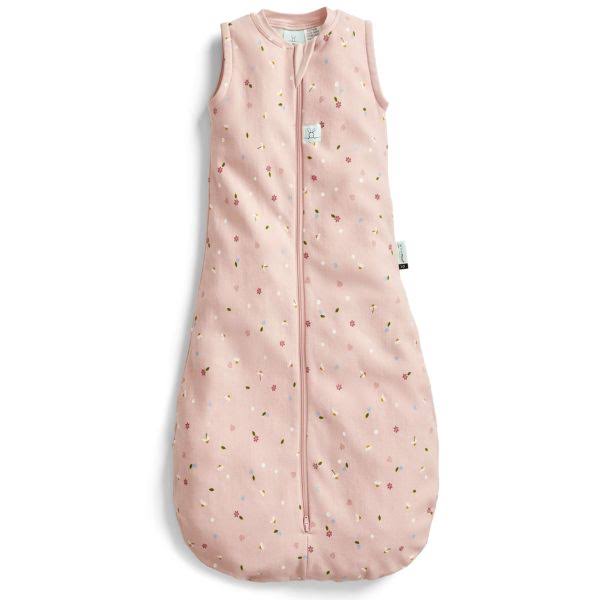
Our top pick across the board for most Australian families.
The value choice when you want the essentials without overspending.
The splurge pick if you want the most features and finish.
Frequently Asked Questions
What TOG sleeping bag do I need for summer in Australia?
For a warm summer night with a room temperature above around 24°C, a 0.2 to 0.5 TOG summer sleeping bag baby option is ideal, often worn over just a singlet or nappy. Always check the back of bub’s neck to make sure they’re not too warm.
When should I switch from a baby swaddle to a sleeping bag?
The moment your baby shows any signs of rolling, usually between 3 and 6 months, it’s time to stop swaddling the arms in. Move to an arms-out baby sleep bag. Transitional swaddle wrap baby designs with zip-off wings make this stage much smoother.
Are baby sleeping bags safe?
Yes, when used correctly. Choose a bag with a fitted neck and armholes and no hood, in line with Red Nose guidance and the Australian standard AS/NZS 1809. Always use the correct size so baby can’t slip down inside, and place baby on their back to sleep.
What should my baby wear under a sleeping bag?
It depends on the TOG and room temperature. As a guide: in a 2.5 TOG winter sleeping bag baby setup in an 18°C room, a singlet plus a long-sleeved sleepsuit works well. In a 0.5 TOG summer bag, a singlet alone is usually enough. Layer up or down based on how warm bub feels at the chest.
How many sleeping bags do I actually need?
Most families do well with two TOG weights (a lighter and a warmer one) in two of each, so you always have a clean one while the other is in the wash. Add a newborn baby swaddle or two for the early months.
The Bottom Line
A good baby sleeping bag takes the guesswork out of dressing your little one for sleep and gives you genuine peace of mind, no more midnight worries about kicked-off blankets. The key is matching the TOG to your room temperature and season, choosing a safe, well-fitting design, and picking up a couple of weights so you’re ready for whatever the Australian weather throws at you.
Our overall pick remains the ergoPouch Sleeping Bag for its breathable fabrics, wide TOG range and clever fit, paired with the Love To Dream Swaddle Up for the newborn baby swaddle stage. Whichever you choose, you’re giving your baby a safe, cosy night’s sleep, and giving yourself a few more precious hours too. Sweet dreams, mum.
Where to buy these picks
✓ Verified prices are checked live at the retailer. Otherwise we show the approximate RRP (an indicative recommended price, not a live retailer price), or “price pending” where we don’t have one.
All 3 prices we track for this pick
- Whole Bubs $42.95 checked 7 Oct 2026
- Kiddie Country $54.95 checked 7 Oct 2026
- The Thrifty Mumma $62.95 checked 7 Oct 2026
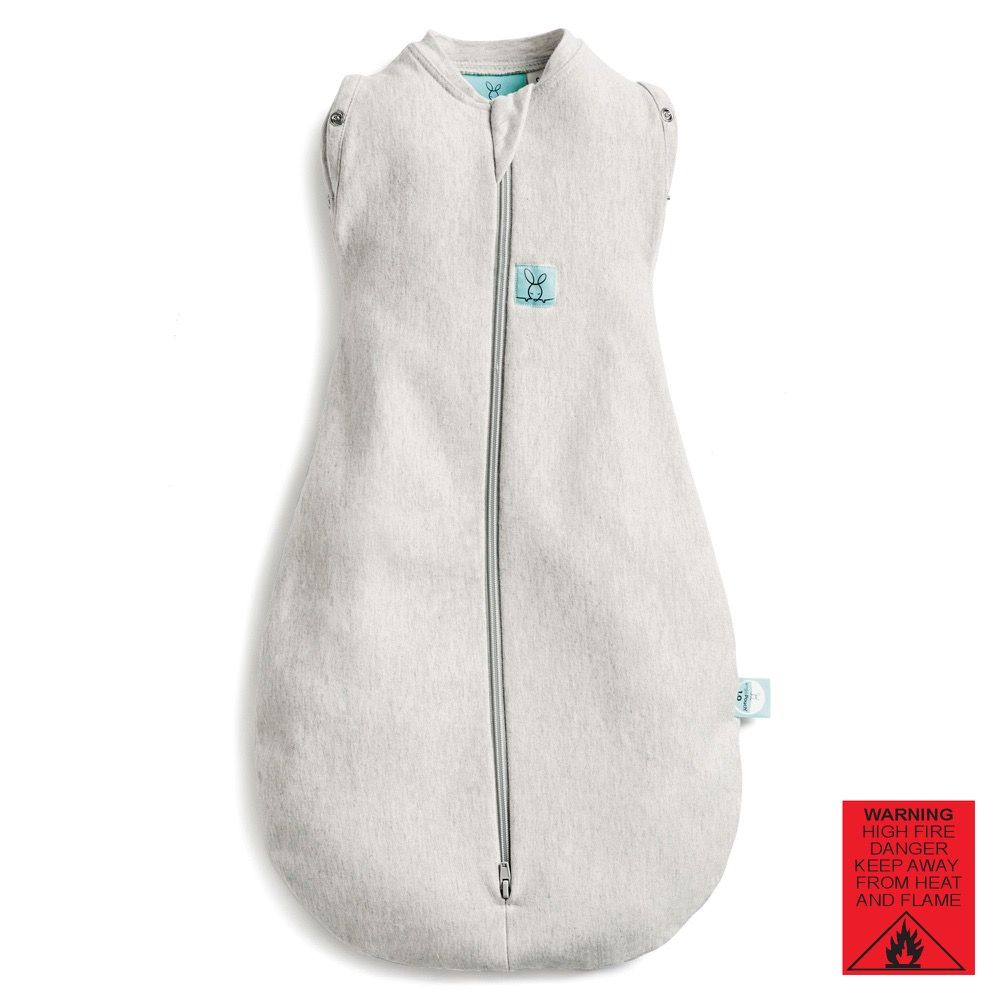
All 3 prices we track for this pick
- ergoPouch $32.21 checked 7 Oct 2026
- Baby Bunting $42.95 checked 4 Oct 2026
- Baby Village $46.99 checked 23 Sep 2026
All 7 prices we track for this pick
- Kiddie Country $41.99 checked 23 Sep 2026
- Baby Little Planet $46.99 checked 7 Oct 2026
- Baby Bunting $49.95 checked 4 Oct 2026
- Whole Bubs $49.95 checked 7 Oct 2026
- The Memo $49.95 checked 7 Oct 2026
- The Thrifty Mumma $49.95 checked 23 Sep 2026
- Baby Zone $49.99 checked 7 Oct 2026

All 6 prices we track for this pick
- Baby Zone $64.99 checked 7 Oct 2026
- Biome $71.21 checked 23 Sep 2026
- The Thrifty Mumma $74.95 checked 7 Oct 2026
- Tiny Tots $75.99 checked 7 Oct 2026
- Baby Village $80.99 checked 7 Oct 2026
- ergoPouch $94.95 checked 7 Oct 2026
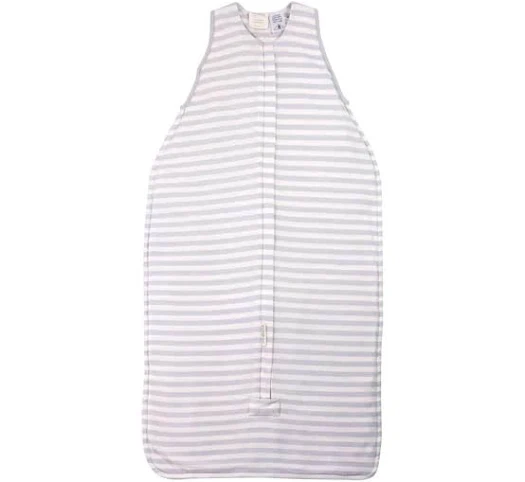
Woolbabe 3-Season Sleeping Bag
Best for winter
Anko Sleeping Bag
Best low cost backup bag
Show all 16 picksShow fewer
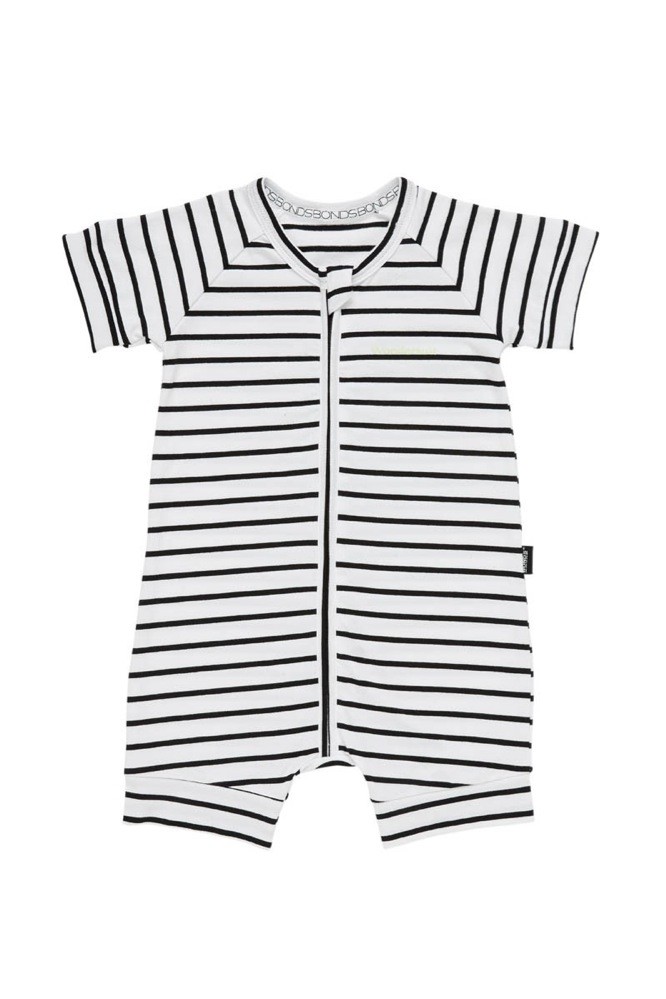
Bonds Wondersuit Zip Wondersuit Sleeping Bag
Best for tight budgets
Grobag
Best everyday use
Love to Dream Inventa Sleep Bag
Best for arms up
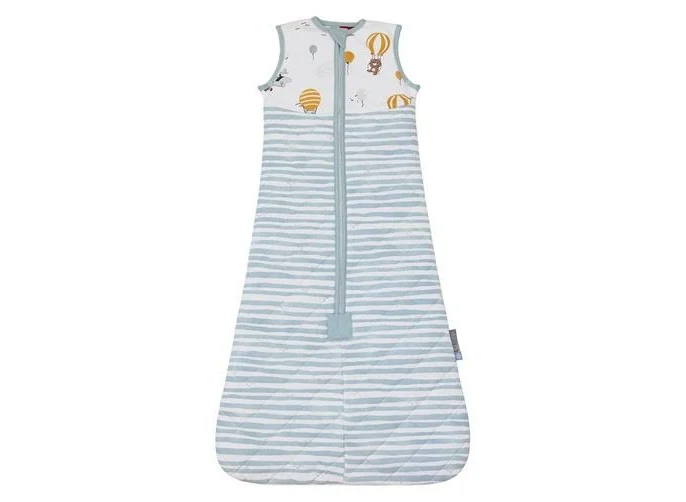
Living Textiles Quilted Sleeping Bag
Best cosy style
Grobag by The Gro Company Baby Sleep Bag
Best for unheated bedrooms
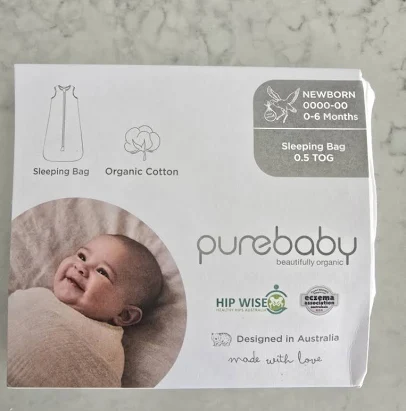
Purebaby Organic Cotton Sleeping Bag
Best for sensitive skin
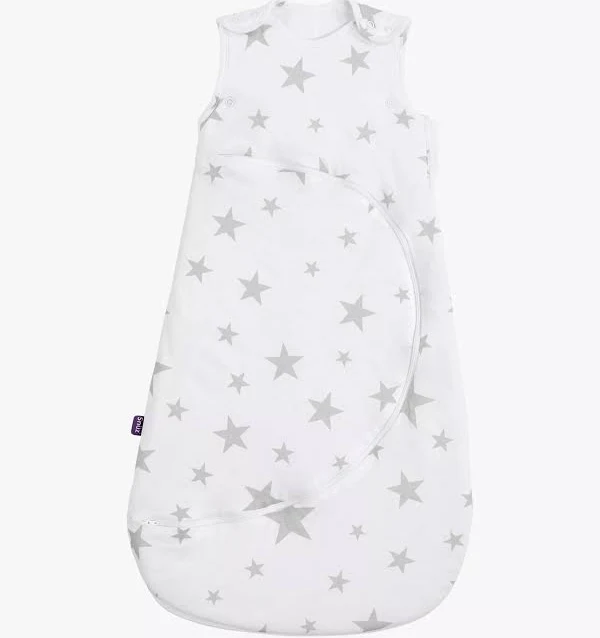
Snüz SnuzPouch Sleeping Bag
Best stylish design
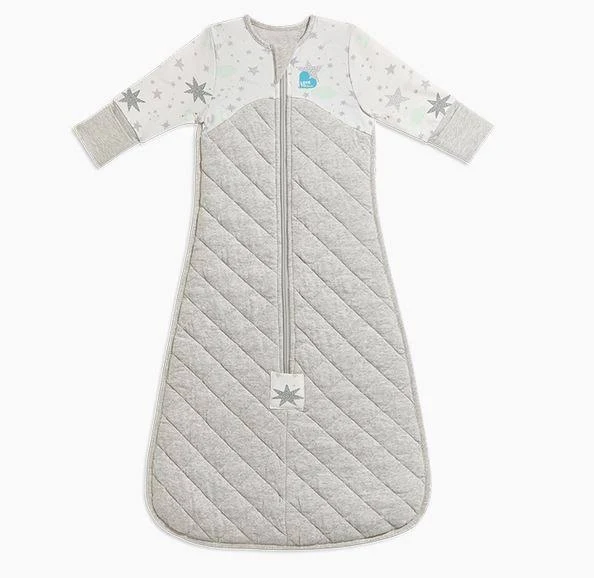
Love to Dream 24-7 Sleep Bag
Best for sleep regressions
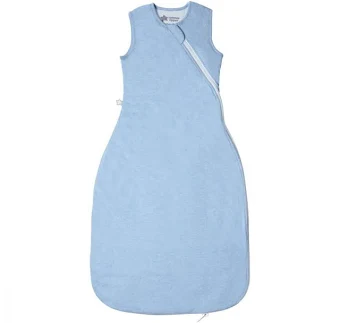
Grobag Baby Sleeping Bag
Best long-term value
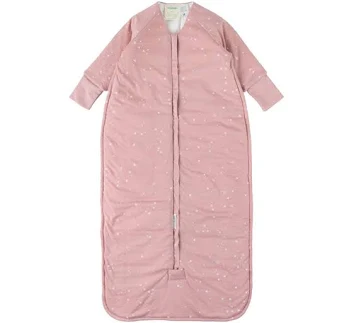
Woolbabe Organic Merino Sleeping Bag
Best year-round wool
The shortlist, in your inbox
New winners, price drops and recalls worth knowing.