
QV Baby Moisturising Cream Review Australia 2026: Best for Eczema? (Dermatologist-Tested Alternatives)
If you’ve spent any time in the baby aisle lately, squinting at labels while bouncing a grizzly little one on your hip, you’ve almost certainly come across QV Baby. It’s one of those names Aussie mums whisper to each other at mothers’ group, the cream that “finally fixed” baby’s dry patches, the tub that lives permanently on the change table. But does QV baby moisturising cream actually live up to the reputation, especially if your bub is battling eczema?
As a parenting writer, I wanted to give this one a proper answer rather than repeat what gets whispered at mothers’ group. Eczema is incredibly common in Australian babies, and our climate, from humid Queensland summers to the dry, heater-blasted winters down south, doesn’t always make it easy. So I’ve done the digging for you: pored over the ingredients, looked at what dermatologists actually recommend, and lined up some worthy alternatives.
This is an honest, no-nonsense look at whether QV Baby deserves a spot in your nappy bag in 2026, plus a few dermatologist-friendly options worth knowing about if it doesn’t quite suit your little one. Because what works beautifully for one baby can do nothing for the next, and that’s completely normal.
What Is QV Baby Moisturising Cream, Exactly?
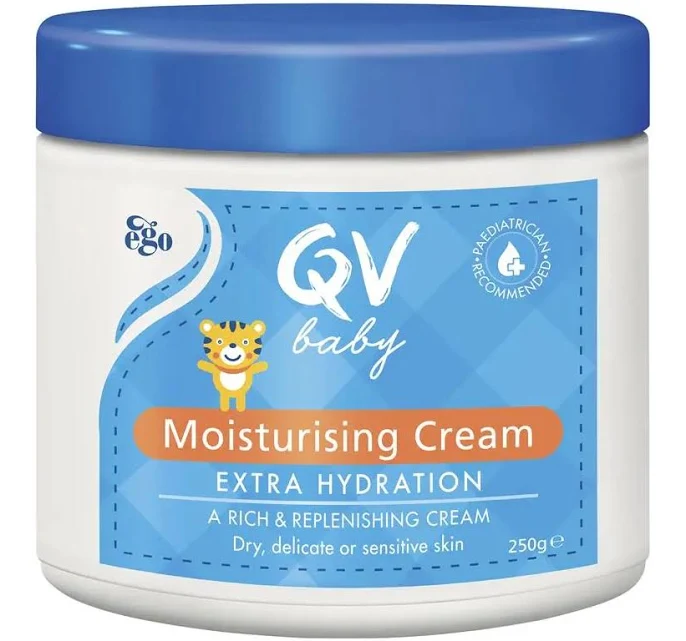
QV is an Australian-born brand made by Ego Pharmaceuticals, a family company that’s been around since the 1950s and is well known across our chemists and supermarkets. The QV Baby range was developed specifically for delicate newborn and infant skin, and the moisturising cream is one of its hero products.
The QV baby moisturising cream is a thick, fragrance-free emollient designed to hydrate and protect dry, sensitive skin. It’s free from common irritants like fragrance, lanolin and propylene glycol, three ingredients dermatologists often flag as potential triggers for reactive little ones. It also has a low pH that’s designed to be gentle and skin-friendly.
The texture sits somewhere between a lotion and an ointment: rich enough to tackle genuinely dry patches, but not so greasy that you’re left with a baby who slides out of your arms like a buttered piglet. For everyday use after bath time, it’s a popular all-rounder.
Approx. RRP (2026): you’ll generally find the QV Baby Moisturising Cream in the $10–$20 range depending on tub size, which makes it one of the more affordable options for daily, liberal use, and with eczema-prone skin, you do need to apply generously and often.
Is QV Baby Good for Eczema? The Honest Answer
Here’s the thing every mum wants to know, so let’s get straight to it. QV Baby Moisturising Cream is frequently recommended by Australian GPs and pharmacists as a daily moisturiser for babies with mild to moderate eczema-prone skin. It ticks a lot of the boxes dermatologists look for: fragrance-free, low irritant, affordable enough to slather on multiple times a day, and gentle on the skin barrier.
But, and this is important, a moisturiser alone is rarely the whole story with eczema. Dermatologists describe eczema management as a layered approach:
- Daily moisturising (often twice or more) to repair and protect the skin barrier, this is where a cream like QV Baby fits in.
- Gentle, soap-free washing using a non-foaming cleanser rather than regular soap, which strips natural oils.
- Lukewarm (not hot) baths kept fairly short, then moisturising within a few minutes of patting dry to lock in hydration.
- Prescribed treatments for flare-ups, such as a topical steroid or other medication, which only your doctor can advise on.
So is QV Baby “good for eczema”? For maintenance and daily hydration in mild to moderate cases, many Aussie families find it genuinely helpful and gentle. For an active, weeping or severe flare-up, it’s a supporting player, not a substitute for proper medical advice. If your baby’s skin is broken, infected-looking, or not improving, please see your GP or a dermatologist. Eczema is very treatable, and you don’t have to white-knuckle through it alone.
The Ingredients: What’s Actually In It?
One of the reasons QV Baby has earned its loyal following is its short, sensible ingredient list. For sensitive baby skin, less is genuinely more, every extra ingredient is another potential trigger.
The formula focuses on humectants and emollients that draw in and seal moisture, including glycerin, which is a well-tolerated hydrator suitable for delicate skin. Crucially, it leaves out:
- Fragrance, one of the most common causes of skin reactions in babies.
- Lanolin, a wool-derived ingredient some babies react to.
- Propylene glycol, a preservative-type ingredient that can irritate reactive skin.
- Colours and SLS, no unnecessary extras.
That said, no product is universally tolerated. Even fragrance-free, hypoallergenic creams can cause a reaction in a small number of babies. This is exactly why a patch test (more on that below) is your best friend before going all-in on any new product.
How to Use QV Baby Moisturising Cream the Right Way
You’d be surprised how much technique matters with baby moisturisers. Even the best cream won’t do much if it’s applied sparingly or at the wrong time. Here’s how the experts suggest getting the most out of it:
- Apply within three minutes of bathing. Pat your bub dry gently (don’t rub), leaving the skin slightly damp, then apply the cream to trap that moisture in. This is sometimes called the “soak and seal” method.
- Be generous. A thin smear isn’t enough for eczema-prone skin. You want a visible, even layer. Most families go through tubs far quicker than they expect, and that’s a good sign you’re using enough.
- Moisturise at least twice a day. Once after the bath and again before bed, or in the morning. During a dry winter or after lots of time in the pool over summer, you may need more.
- Smooth, don’t rub vigorously. Apply in the direction of hair growth to avoid irritating the follicles.
- Wash your hands first. And use clean fingers (or a clean spatula) to scoop from tubs to avoid introducing bacteria.
A little routine tip: keep a tub by the bath, one on the change table, and a travel size in the nappy bag. The easier it is to reach, the more consistently you’ll use it, and consistency is what actually keeps eczema-prone skin calm.
Dermatologist-Tested Alternatives Worth Knowing About
QV Baby is brilliant for many families, but it isn’t the only gentle, low-irritant option on the shelves, and if it hasn’t worked for your bub, that doesn’t mean nothing will. Here are some well-regarded alternatives commonly recommended for sensitive and eczema-prone baby skin in Australia. As always, these are general options to discuss with your GP or pharmacist, not medical advice.
| Product | Brand | Key features | Best for |
|---|---|---|---|
| Baby Moisturising Cream | QV (Ego) | Fragrance-free, low pH, no lanolin or propylene glycol, affordable for daily use | Everyday hydration for mild–moderate dry, sensitive skin |
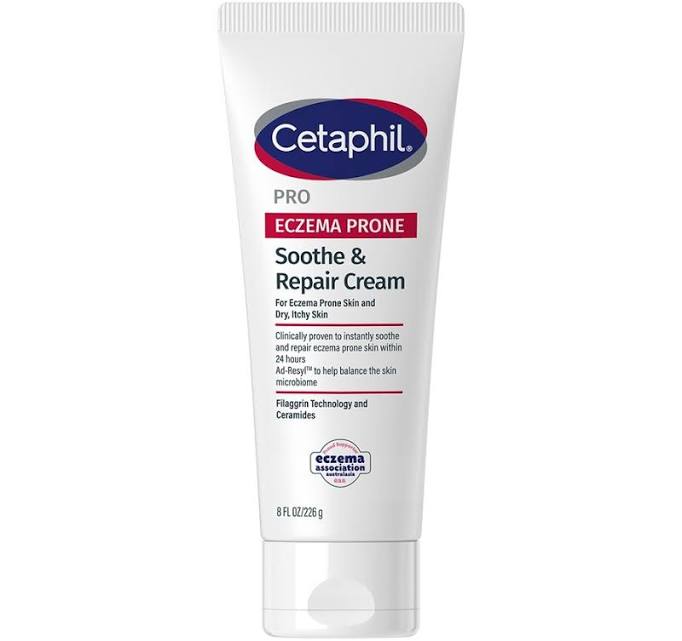
| Eczema-focused emollient cream | Cetaphil | Gentle, widely available, designed for dry and irritation-prone skin | Families wanting a fuss-free daily moisturiser |
| Soothing baby balm | Aveeno Baby | Colloidal oatmeal-based, soothing for itchy dry patches | Calming dry, itchy areas (patch test first for oat sensitivity) |
| Intensive ointment | Dermeze / similar | Rich, occlusive ointment for very dry skin, minimal ingredients | Severely dry patches needing heavy-duty protection |
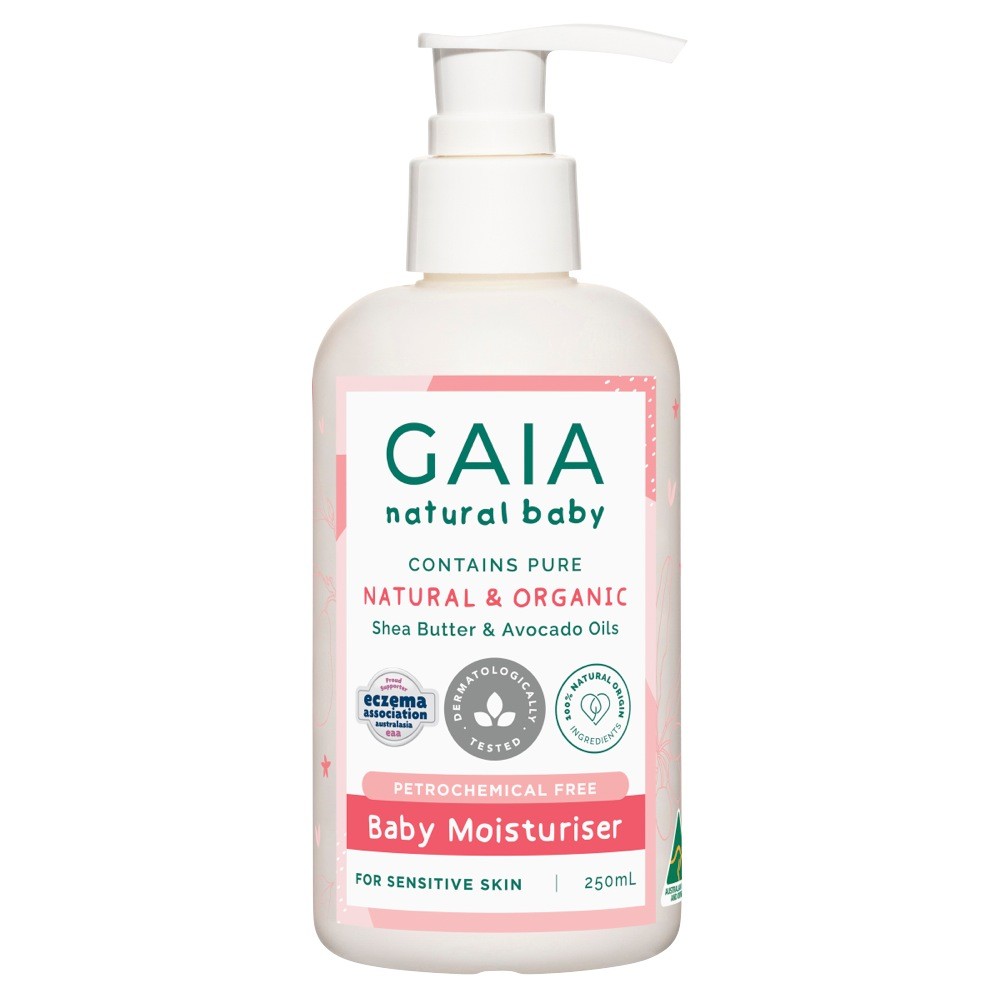
| Baby moisturising lotion | Gaia Natural Baby | Plant-based, Australian-made, lighter texture | Mums preferring a natural-leaning, lighter daily lotion |
A few honest notes: “natural” doesn’t automatically mean gentler, plant extracts and essential oils can actually be triggers for some babies, so a fragrance-free, simple formula is often the safest bet for true eczema-prone skin. Thicker ointments tend to be more protective but greasier; lighter lotions feel nicer but may need reapplying more often. There’s no single “best”, there’s only what’s best for your baby’s skin.
We’ve reviewed 25 bath & skincare in total — compare the full list before you decide.
Safety, Patch Testing and the Aussie Climate
Before you smother your little one in any new cream, do a patch test. It takes 24 hours and can save you a world of grief. Apply a small amount to a patch of skin (the inner forearm is ideal), then wait a day to check for redness, bumps or irritation. If all looks calm, you’re good to go.
When choosing baby skincare in Australia, it’s reassuring to know that cosmetic products sold here are regulated, and ingredients must comply with Australian standards. The ACCC oversees consumer product safety more broadly, so stick to reputable brands and always check the packaging is intact and within its use-by date. Discard any product that smells “off” or has changed texture.
Our climate adds its own challenges, and it’s worth adjusting your routine across the seasons:
- Summer (Dec–Feb): Heat, sweat, chlorine and salt water can all aggravate eczema. Rinse bub after swimming, dress them in light cotton, and moisturise after sun and water exposure. Remember sun protection too, keep babies under six months out of direct sun and use shade and clothing.
- Winter (Jun–Aug): Indoor heating dries the air and the skin. This is often when eczema flares worst. Moisturise more frequently, consider a humidifier in bub’s room, and keep baths short and lukewarm.
- In between: Sudden temperature swings (hello, Melbourne) can trigger flares. Keep the routine consistent and have a tub handy wherever you are.
If your baby ever shows signs of an allergic reaction, significant swelling, hives, difficulty breathing, seek medical help immediately. True allergic reactions to gentle baby moisturisers are rare, but it’s always better to be cautious.
mum.com.au Approved: Our Verdict
After weighing it all up, the gentle formula, the dermatologist-friendly credentials, the genuinely affordable price for the amount you need to use, and its trusted Aussie heritage, the QV baby moisturising cream earns our mum.com.au Approved tick as a daily moisturiser for babies with mild to moderate dry, sensitive and eczema-prone skin.
Here’s why we’re comfortable recommending it:
- It’s simple and low-irritant, fragrance-free, no lanolin or propylene glycol, with a short, sensible ingredient list.
- It’s affordable to use properly, eczema care means applying liberally and often, and at an approximate $10–$20 RRP, you can do that without flinching at the cost.
- It’s an Australian brand with decades of trust behind it and widespread availability.
- It’s versatile, useful for general dry skin, not just eczema, so it earns its place on the change table.
Our one honest caveat: it is a maintenance moisturiser, not a treatment for active flare-ups. If your baby’s eczema is moderate to severe, weeping, infected-looking, or simply not settling with good daily moisturising, please see your GP. A cream like this works beautifully alongside proper medical care, not instead of it.
And if QV Baby genuinely doesn’t suit your little one’s skin, don’t despair. The alternatives above are all worth trying, and finding the right fit is often a process of trial and error. You know your baby best.
Our top pick across the board for most Australian families.
The value choice when you want the essentials without overspending.
The splurge pick if you want the most features and finish.
Frequently Asked Questions
Can I use QV Baby Moisturising Cream on a newborn?
QV Baby is formulated to be gentle for infant skin, and many families use it from the early weeks. That said, newborn skin is incredibly delicate and often doesn’t need much moisturising in the first few weeks unless it’s dry or peeling. Always patch test first, and if you have any concerns, check with your maternal and child health nurse or GP before introducing any product.
How often should I apply moisturiser to my baby’s eczema?
For eczema-prone skin, dermatologists generally suggest moisturising at least twice a day, and more often during flare-ups or dry weather. The most important window is straight after a bath, apply within about three minutes of patting the skin dry to lock in moisture. Being generous and consistent matters far more than the exact number of applications.
Is QV Baby Cream the same as QV Cream or QV Intensive?
No, the QV range has several products. The QV Baby line is specifically formulated for infant skin, while the standard QV and QV Intensive products are aimed at older children and adults, with the Intensive options being richer and more occlusive for very dry skin. Always pick the product designed for your baby’s age, and chat to your pharmacist if you’re unsure which one suits.
What’s the difference between a cream and an ointment for eczema?
Creams (like QV Baby Moisturising Cream) are easier to spread, absorb reasonably well, and feel less greasy, great for everyday use. Ointments are thicker and more occlusive, meaning they seal in moisture more effectively, which can be better for very dry or stubborn patches, but they’re greasier. Some families use a cream during the day and a richer ointment overnight.
My baby’s eczema isn’t improving with moisturiser. What should I do?
If you’ve been moisturising consistently and correctly but your baby’s skin is still inflamed, itchy, weeping or not improving, it’s time to see your GP. Eczema sometimes needs a short course of prescribed treatment to bring a flare under control, after which daily moisturising keeps it calm. Persistent scratching, signs of infection, or disrupted sleep are all good reasons to book an appointment, your bub doesn’t have to be uncomfortable.
The Bottom Line
For Australian mums navigating dry skin and eczema in 2026, the QV baby moisturising cream remains a genuinely solid, trustworthy choice, and a deserving mum.com.au Approved pick for everyday hydration of mild to moderate sensitive skin. It’s gentle, low-irritant, affordable enough to use as liberally as eczema care demands, and backed by decades of Australian heritage.
Just remember that great skincare for babies is about the whole routine, not a single magic tub: soap-free washing, lukewarm baths, generous moisturising, seasonal adjustments, and prompt medical advice when flares get out of hand. Pair QV Baby (or one of our dermatologist-friendly alternatives) with those habits, and you’re giving your little one the best shot at calm, comfortable, happy skin.
And on those tough nights when nothing seems to settle? Be kind to yourself. You’re doing a wonderful job, and finding what works for your baby’s skin is a journey almost every Aussie mum walks at some point. You’ve got this.
Where to buy these picks
✓ Verified prices are checked live at the retailer. Otherwise we show the approximate RRP (an indicative recommended price, not a live retailer price), or “price pending” where we don’t have one.
Baby Moisturising Cream
★ Best daily dry skin cream
All 2 prices we track for this pick
- Baby Bunting $11.50 checked 18 Oct 2026
- Babies R Us $11.50 checked 14 Oct 2026
Soothing baby balm
Best for itchy dry patches
Eczema-focused emollient cream
Best fuss-free daily moisturiser
The shortlist, in your inbox
New winners, price drops and recalls worth knowing.