
Best Baby Dolls Australia 2026: Baby Born vs Baby Alive vs Alternatives (Age Guide)
If you’ve ever stood in the toy aisle at Big W watching your little one cradle a doll with the kind of tenderness that makes your heart melt, you’ll know exactly why baby dolls remain one of the most beloved toys in Australian homes. There’s something genuinely lovely about watching a child rock, feed and tuck in their “baby”, it’s nurturing play at its finest, and it’s been a childhood staple for generations.
But walk into Baby Bunting or scroll through the Kmart website in 2026 and you’ll quickly realise the world of baby dolls has become surprisingly complicated. Baby Born or Baby Alive? Does your three-year-old really need one that drinks, wets and cries? And is the $20 Kmart doll secretly just as good as the $90 branded version? If that all feels overwhelming, you are not alone.
So I’ve done the legwork for you. This is your honest, no-nonsense guide to the best baby dolls in Australia for 2026, comparing the big names, breaking it down by age, and giving you clear recommendations so you can buy with confidence (and without blowing the budget).
Why Baby Dolls Are Worth the Hype
Before we get into the brands, let’s talk about why baby dolls are such a brilliant addition to the toy box, because this isn’t just about keeping little hands busy.
Baby dolls are a cornerstone of what child development experts call imaginative or pretend play, and the benefits are genuinely impressive. When your child feeds, bathes, dresses and soothes their doll, they’re developing empathy, building fine motor skills, practising language, and processing the world around them. It’s particularly wonderful for children welcoming a new sibling, as it lets them mirror the caregiving they’re seeing at home.
And here’s something many parents don’t realise: baby dolls aren’t just for girls. Nurturing play is incredibly valuable for boys too, helping them develop emotional intelligence and caregiving skills. More and more Australian families are choosing baby dolls for all their children, regardless of gender, and that’s a beautiful thing.
The good news? You don’t need to spend a fortune to get these benefits. A simple, soft-bodied doll can be just as developmentally valuable as the bells-and-whistles versions. But if you’re after the fun extras, there’s plenty on offer in 2026.
Baby Born: The Classic Caregiver Doll
Baby Born has been a household name in Australia for decades, and for good reason. This is the doll that genuinely behaves like a real baby, it drinks from a bottle, wees, cries real tears, and can even have a bath (the higher-end versions are fully waterproof). The doll has a soft body with a firmer head and limbs, making it satisfyingly cuddly while still feeling “real” to play with.
What sets Baby Born apart is that it works without batteries for its core functions, the drinking and weeing work through a clever internal water system, which means fewer flat-battery tantrums and a more authentic caregiving experience. There’s also a huge ecosystem of accessories: prams, high chairs, nappies, bottles and outfits, which you’ll find across Baby Bunting, Big W and Target AU.
In 2026, expect to pay around $69–$95 AUD for a standard Baby Born doll, with accessory sets ranging from $15 to $80.
Baby Born Pros & Cons
Pros:
- Core functions work without batteries
- Fully bathable versions available, great for water play
- Huge range of accessories for extended play
- Durable and well-made; often passed down between siblings
- Encourages genuine nurturing routines
Cons:
Best for: Children aged 3+ who love realistic, hands-on caregiving and water play.
Baby Alive: The Interactive Favourite
If Baby Born is the classic, Baby Alive is the chatty, interactive cousin. Baby Alive dolls are known for eating (yes, actual doll food that you mix with water), drinking, talking, and many models make adorable baby sounds and respond to your child’s actions. The newer 2026 models have improved sound features and softer, more poseable bodies.
The big drawcard here is interactivity, these dolls “talk” and react, which younger children often find absolutely magical. The food-and-nappy play is a huge hit, though it does require buying refill food packets over time (something worth factoring into your ongoing budget).
You’ll find Baby Alive at Target AU, Big W and Kmart, typically priced between $45 and $89 AUD depending on the model and features. Food refill packs run about $8–$12.
Baby Alive Pros & Cons
Pros:
- Highly interactive, talks, eats and reacts
- Magical, engaging experience for younger kids
- Generally a touch cheaper than Baby Born
- Widely available across Australian retailers
Cons:
- Requires batteries for sound and interactive features
- Ongoing cost of food refill packets
- The food play can get messy and clog if not cleaned properly
- Less durable for rough-and-tumble play than Baby Born
Best for: Children aged 3+ who love talking, interactive toys and don’t mind a bit of mess.
Baby Born vs Baby Alive: The Head-to-Head Comparison
Here’s the question every mum wants answered: which one should you actually buy? Let’s put them side by side.
| Feature | Baby Born | Baby Alive |
|---|---|---|
| Batteries needed? | No (core functions) | Yes |
| Drinks & wees | Yes | Yes |
| Eats food | No | Yes (refills needed) |
| Talks / makes sounds | Limited | Yes |
| Bathable | Yes (most models) | Limited |
| Ongoing costs | Accessories only | Food refills + batteries |
| Durability | Excellent | Good |
| Best age | 3+ | 3+ |
The verdict: If your child loves hands-on, realistic caregiving and water play, Baby Born is the better long-term investment, it’s more durable and has no battery or food refill costs. If your child is drawn to interactive, talking toys and you don’t mind the ongoing food packets, Baby Alive offers more “wow” factor and magic, often at a slightly lower upfront price.
Want to see how these stack up? We’ve reviewed 44 baby toys in total.
The Best Budget & Alternative Baby Dolls
Not everyone wants (or needs) a feeding, weeing, talking doll, and honestly, some of the best nurturing play comes from the simplest dolls. Here are the alternatives worth knowing about in 2026.
Kmart Baby Dolls
Kmart continues to be a hero for budget-conscious Aussie families. Their baby dolls range from around $8 to $25 AUD, including soft-bodied dolls perfect for toddlers and basic “drink and wet” dolls for older kids. The quality has genuinely improved over the years, and for the price, they’re brilliant for children who are still learning to be gentle (or prone to leaving toys out in the backyard over an Aussie summer).
Soft-Bodied First Dolls (for babies & toddlers)
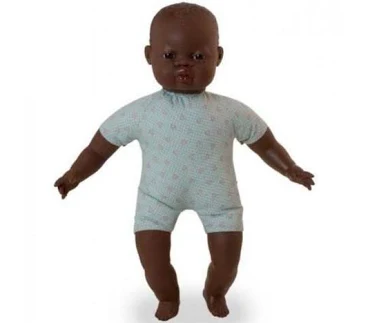
For children under three, a fully soft-bodied doll is the safest and most appropriate choice. Brands like Miniland, Corolle and the cuddly options at Baby Bunting offer beautifully made first dolls from around $25 to $55 AUD. These have no small parts, are often machine-washable, and are designed for cuddling rather than complex play.
Premium & Heirloom Dolls
If you’re after something special, perhaps a gift from grandparents or a keepsake doll, brands like Corolle and Götz (available at David Jones and select boutique retailers) offer gorgeous, beautifully detailed dolls from $60 to $150+ AUD. Many include lovely details like vanilla-scented vinyl and realistic features.
Inclusive & Diverse Dolls
One of the loveliest trends in 2026 is the growing availability of dolls representing a range of skin tones, abilities and features. Choosing a doll that reflects your own family, or simply broadens your child’s view of the world, is wonderful, and you’ll now find a much better range across Big W, Target AU and Baby Bunting.
Baby Doll Age Guide: What to Buy and When
Matching the doll to your child’s age and stage is the single most important thing you can do, both for safety and for genuine enjoyment. Here’s my simple guide.
| Age | Recommended Doll Type | Why |
|---|---|---|
| 0–18 months | Soft fabric/plush dolls only | No small parts; safe for cuddling and mouthing |
| 18 months–3 years | Soft-bodied first dolls, simple features | Easy to hold and cuddle; no choking hazards |
| 3–5 years | Baby Born, Baby Alive, basic feeding dolls | Ready for caregiving routines and role play |
| 5–8 years | Full-feature interactive dolls, accessory sets | Loves complex pretend play and “parenting” |
Always check the age recommendation on the packaging, it’s there for safety reasons, not just guidance. Dolls with small accessories, batteries or removable parts are generally rated 3+ due to choking risks for younger children.
Safety First: What Australian Mums Need to Know
This is the bit I never skip. All toys sold in Australia must comply with the mandatory safety standards enforced by the ACCC (Australian Competition and Consumer Commission), which includes requirements around small parts, button batteries and choking hazards. When buying from reputable retailers like Baby Bunting, Kmart, Big W, Target AU and David Jones, you can be confident the products meet these standards.
A few key safety reminders:
- Button batteries: Many interactive dolls contain button batteries. Since the introduction of Australia’s mandatory button battery standards, compliant toys must have secured battery compartments, but always double-check the screws are tight and inaccessible to little fingers.
- Age ratings matter: Don’t be tempted to buy “up” for a younger sibling. A 3+ doll genuinely isn’t safe for a one-year-old.
- Water-play dolls: Always dry them thoroughly to prevent mould, empty the internal water system completely after each bath session.
- Be cautious with online marketplace sellers: Cheap, unbranded dolls from overseas sellers may not meet Australian safety standards. Stick to trusted retailers.
mum.com.au Approved: Our Top Picks for 2026
After all the research and comparison, here are the baby dolls we’re genuinely happy to put our name behind this year.
Best Overall: Baby Born
For the perfect balance of realistic play, durability and value, Baby Born remains our top pick. No batteries for core functions, bathable, and built to last through multiple children. Worth every dollar of its ~$69–$95 price tag. Available at Baby Bunting, Big W and Target AU.
Best Interactive: Baby Alive
If your little one is captivated by talking, eating, reacting dolls, Baby Alive delivers the magic. Just budget for the food refills and batteries. Around $45–$89 at Kmart, Big W and Target AU.
Best Budget: Kmart Baby Doll Range
Unbeatable value at $8–$25. Perfect for first dolls, backup dolls, or children who are tough on their toys. Genuinely good quality for the price.
Best for Under 3s: Soft-Bodied First Doll (Baby Bunting / Miniland)
Safe, snuggly and machine-washable. The ideal introduction to nurturing play for toddlers, from around $25–$55.
Best Keepsake: Corolle or Götz Doll
For a special gift that lasts, these beautifully made dolls (from $60–$150+ at David Jones) are heirloom-worthy.
Our top pick across the board for most Australian families.
The value choice when you want the essentials without overspending.
The splurge pick if you want the most features and finish.
Frequently Asked Questions
What age is appropriate for a Baby Born or Baby Alive doll?
Both Baby Born and Baby Alive are recommended for children aged 3 and over. This is largely due to small accessories and, in the case of Baby Alive, button batteries. For children under three, choose a fully soft-bodied doll with no small parts instead.
Are baby dolls suitable for boys?
Absolutely. Nurturing play benefits all children equally, helping develop empathy, language and caregiving skills. Many Australian families are happily choosing baby dolls for boys and girls alike, and it’s particularly lovely for any child preparing to welcome a new sibling.
How do I clean a Baby Born doll that drinks and wets?
After water play, empty the internal water system completely and stand the doll upside down to drain. Allow it to air dry thoroughly before storing to prevent mould growing inside. For the outer body, wipe down with a damp cloth and mild soap. Avoid leaving water sitting inside the doll for extended periods.
Is it worth paying more for a branded doll over a Kmart one?
It depends on your child. For long-term durability, water play and a wide accessory range, branded dolls like Baby Born are worth the investment and often last through multiple children. But for a first doll, a backup, or a child who is rough on toys, the Kmart range offers genuinely good quality at a fraction of the price.
Do these dolls meet Australian safety standards?
Dolls sold through reputable Australian retailers like Baby Bunting, Kmart, Big W, Target AU and David Jones must comply with ACCC mandatory safety standards, including rules around small parts and button batteries. Be cautious with cheap, unbranded dolls from overseas online marketplaces, as these may not meet local requirements.
The Bottom Line
At the end of the day, the “best” baby doll is the one your child will love, cuddle and care for. If I had to pick just one for the broadest range of families, Baby Born wins for its durability, battery-free core functions and brilliant water play, it’s a genuine investment that earns its keep across years and siblings.
But if your little one lights up at the idea of a doll that talks back and eats dinner, Baby Alive brings a special kind of magic. And never underestimate the humble Kmart baby doll, sometimes the simplest, most affordable option is exactly what a child needs to spark hours of beautiful, nurturing play.
Whatever you choose, you can feel good knowing you’re giving your child a toy that’s been loved by Australian families for generations, and one that quietly helps them grow more caring, capable and imaginative along the way. Happy shopping, mums. You’ve got this.
Where to buy these picks
✓ Verified prices are checked live at the retailer. Otherwise we show the approximate RRP (an indicative recommended price, not a live retailer price), or “price pending” where we don’t have one.
Soft-Bodied First Doll
Best for under 3s
Baby Alive
Best interactive doll
Götz Doll
Best keepsake doll
The shortlist, in your inbox
New winners, price drops and recalls worth knowing.