
Best Double Prams Australia 2026: Side-by-Side vs Tandem (Which Fits Our Doors?)
Best Double Prams Australia 2026: Side-by-Side vs Tandem (Which Fits Our Doors?)
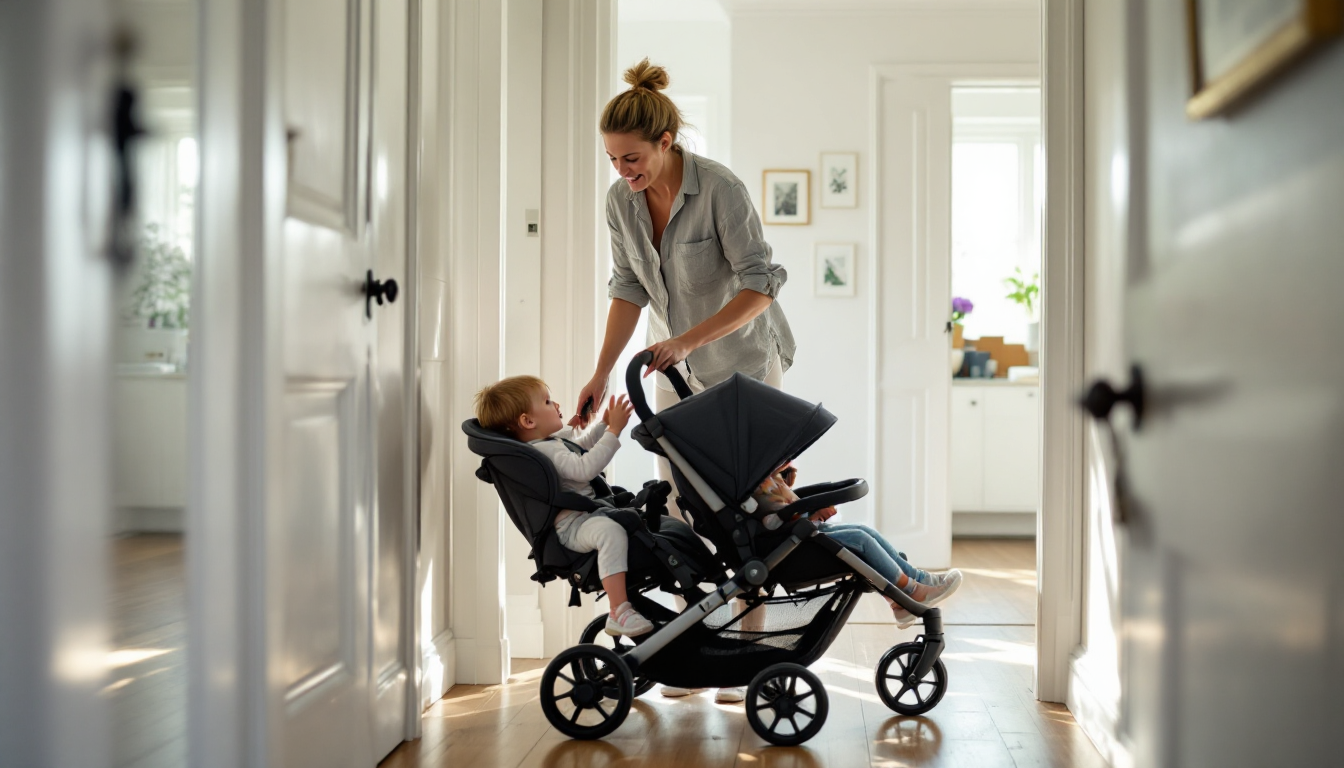
Somewhere around the third trimester with a toddler already underfoot, the double pram question stops being theoretical and starts being urgent. It’s rarely just “which pram is nicest”. It’s “will this actually fit through our front door”, “can I lift this into the boot of a Corolla by myself with a newborn strapped to my chest”, and “do I really need to spend two grand on wheels”. Those worries are legitimate, and they’re exactly why so many Australian parents end up staring at a double pram and pushchair range in a shopping centre, completely frozen.
The honest answer is that side-by-side and tandem double prams solve different problems, and the “best” one depends far more on your hallway, your car and your kids’ age gap than on any glossy brochure. This guide breaks down both formats, names the specific twin pram Australia models worth your money in 2026, and tells you plainly where each one falls short so you’re not the parent wedging a pram sideways through a doorway at 6pm with dinner on the stove.
Side-by-side vs tandem: which one actually fits your life
Every double stroller sold in Australia falls into one of two shapes, and the shape decides almost everything else about how it lives in your house.
Side-by-side prams
Two seats sit next to each other, level with each other. Kids can see each other and you, which matters if one of them is a newborn who settles better looking at a sibling than a canopy. The trade-off is width: most side-by-side double prams sit somewhere between 70cm and 85cm across, and plenty of older Australian homes and apartment blocks have internal doors closer to 76cm. Measure before you fall in love with one.
Tandem (inline) prams
One seat sits in front of the other, so the whole pram is roughly the width of a single pram, just longer. This is the format that wins the doorway test in narrow terrace houses and older apartments, and it’s usually the easier fit through a standard supermarket aisle or tram doorway too. The compromise is length: tandems can be a genuine handful to turn in a tight kitchen or lift fully assembled into a hatchback boot.
The doorway test parents forget to do
Before you buy, actually measure: your narrowest internal doorway, your boot opening height and depth with the back seats up, and the gap between your car and the garage wall. A pram that’s perfect on a showroom floor can become a daily fight if it doesn’t clear your own front door.
- Folded width and height: this determines whether it clears your boot opening and your hallway, not just the shopfront aisle.
- One-hand fold: with a baby on one hip, a two-handed fold isn’t a minor inconvenience, it’s the difference between using the pram and leaving it at home.
- Seat configuration flexibility: can it run one seat flat for a newborn while the other is upright for a toddler, and can it later convert to a single as your kids outgrow double duty?
- Compliance with AS/NZS 2088: this is the Australian Standard covering prams and strollers, addressing structural integrity, harness strength and braking. Any pram sold here should meet it, but it’s worth confirming for lesser-known imports.
- Weight when empty: double prams range from around 13kg to over 17kg before you add two kids. That matters every time you lift it up a step or into a boot.
- Wheel type and suspension: bigger air or foam-filled wheels handle kerbs and gravel park paths better, which counts for a lot outside inner-city footpaths.
What to look for before you spend real money
A double pram is one of the biggest single purchases new and expanding families make, right up there with the car seat and the cot, so it pays to slow down on a few specifics rather than being swayed by whichever one looks best in the display window.
- Age and stage fit: a newborn needs a flat lie-back position or a compatible bassinet/capsule, not just a reclined seat. Check exactly which capsules or bassinets are compatible before assuming it’ll work for a newborn plus toddler combo.
- Storage basket access: tandem prams especially can have a basket that’s hard to reach once both seats are loaded. If you’re doing a supermarket run solo, this matters daily.
- Genuine boot fit: don’t rely on folded dimensions alone, wheels often don’t fold flush and add extra depth.
- Resale and hand-me-down value: well-known brands like Mountain Buggy, Valco Baby, Baby Jogger and Britax hold value reasonably well on the second-hand market, which softens the upfront cost anxiety.
- Warranty and local parts support: a pram that lives outdoors for four-plus years will need replacement wheels or fabric at some point. Confirm the brand has an Australian service presence before buying.
The best double prams in Australia for 2026
1. Mountain Buggy Duet
The Duet is the tandem that keeps coming up in Australian parenting forums for one very practical reason: its folded width is narrow enough to clear most standard internal doors, which is not something you can say about every double stroller on the market. It’s built around a single-to-double philosophy, so if your kids arrive with a gap of a few years, you can buy it as a single pram first and add the second seat later with the Duet Buggy Board or Duo Grow Kit.
It suits parents with a toddler and a new baby on the way who want one pram that grows rather than two purchases. The trade-off is that fully loaded with two kids and a shopping basket, it’s a longer wheelbase to manoeuvre through a crowded café, and at close to 14kg empty, lifting it fully assembled into a low boot takes some technique. Approx. RRP sits around $1,000 to $1,300 depending on the seat configuration.
- Narrow fold genuinely suits older Australian homes and units
- Can start as a single pram and convert to double, spreading the cost over time
- Compatible with a range of newborn capsules via adapters
- Longer wheelbase is harder to spin in a tight kitchen or lift
- Not the cheapest entry point for a first double pram

Mountain Buggy Duet
2. Valco Baby Snap Duo
Valco Baby is a Melbourne-founded pram brand, and the Snap Duo is their answer to the tandem-on-a-budget problem. It’s genuinely lightweight for a double at under 14kg, has an umbrella-style compact fold that most parents manage one-handed after a few goes, and both canopies extend fully, which matters more than it sounds on a 35-degree Queensland afternoon.
This is the pick for families who want a capable everyday double pram and pushchair without stretching to premium pricing, particularly for twins or two under two who both need upright, everyday seating rather than a newborn lie-flat position from day one. Approx. RRP is around $700 to $900, which puts it well below most tandem competitors.
- Lightweight for a tandem, easier for solo lifting into a boot
- Compact umbrella fold, good for smaller cars
- Extendable canopies with good UV coverage
- Rear seat recline is more limited than the front, so less ideal for a very young baby in the back position
- Storage basket is harder to access with both seats occupied

Valco Baby Snap Duo
3. Baby Jogger City Select 2
If the side-by-side versus tandem decision genuinely has you stuck, the City Select 2 sidesteps it: it’s a modular double pram that can be configured multiple ways, including side-by-side or tandem-style seating, plus single-seat setups for when you only need one. It’s the closest thing on the market to buying once and adjusting as your family’s needs change.
It suits parents who want flexibility more than they want the lightest possible pram, and who are prepared to pay premium pricing for that adaptability. The trade-off is genuine: this is a heavier, bulkier pram than a dedicated tandem, and the sheer number of configuration options means a slightly longer learning curve when you first set it up. Approx. RRP runs around $1,600 to $2,000 for the double configuration with second seat included.
- Multiple seating configurations covering both side-by-side and tandem needs
- Accepts infant capsules via adapters for true newborn-plus-toddler use
- Strong resale value given the brand’s reputation
- Heavier and bulkier than a dedicated tandem or side-by-side
- Premium price point, one of the bigger single purchases in this category

Baby Jogger City Select 2
4. Britax B-Dual
Britax’s tandem double leans into the same narrow-fold logic as the Duet, aimed at parents who want a trusted safety-focused brand name on a double pram without the premium price tag of the fully modular options. The rear seat has an extendable leg rest and decent recline, which helps if your older child still naps mid-pram-walk.
It’s a solid middle-ground pick for a toddler and baby combination where you want brand reassurance and a manageable width. Approx. RRP sits around $900 to $1,100.
- Extendable rear leg rest suits a napping toddler
- Narrower tandem fold suits most standard doorways
- Recognisable, well-supported Australian brand presence
- Basket access is fiddly with both seats loaded
- Less configurable than fully modular options if your needs change
Britax B-Dual
5. Steelcraft Agile Twin
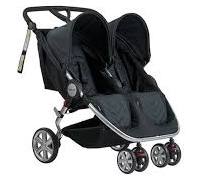
Steelcraft has been building prams for Australian families for decades, and the Agile Twin is their side-by-side option for parents who specifically want both kids seated level with each other, most commonly twin families. It’s narrower than many side-by-side competitors, though still wider than any tandem, so the doorway test still matters here more than with the tandem picks above.
This suits twin pram Australia searches specifically, where two same-aged babies both need equal, symmetrical seating rather than a front-and-back hierarchy. Approx. RRP is around $600 to $800, making it one of the more accessible side-by-side options.
- Level, symmetrical seating suits twins particularly well
- More budget-friendly than most side-by-side competitors
- Both children have equal visibility and sun coverage
- Still noticeably wider than any tandem, doorway fit needs checking
- Can be trickier to manoeuvre through narrow shop aisles
Steelcraft Agile Twin
Double prams compared at a glance
| Product | Brand | Approx RRP | Key features | Best for |
|---|---|---|---|---|
| Duet #1 | Mountain Buggy | approx. $1,000 to $1,300 | Narrow tandem fold, single-to-double grow kit | Toddler plus new baby, tight doorways |
| Snap Duo Budget | Valco Baby | approx. $700 to $900 | Lightweight tandem, compact umbrella fold | Everyday double duty on a tighter budget |
| City Select 2 Premium | Baby Jogger | approx. $1,600 to $2,000 | Modular side-by-side or tandem configurations | Families wanting long-term flexibility |
| B-Dual | Britax | approx. $900 to $1,100 | Narrow tandem, extendable rear leg rest | Toddler and baby, brand-focused buyers |
| Agile Twin | Steelcraft | approx. $600 to $800 | Side-by-side, symmetrical seating | Twins wanting level, equal seating |
We’ve reviewed 23 prams & strollers in total — compare the full list before you decide.
mum. Approved: our top 3 for 2026
The narrow fold that actually clears Australian doorways, plus a genuine single-to-double growth path.
Lightweight, compact and a fraction of the cost of most tandem rivals.
Worth the splurge if your family’s seating needs will keep changing over several years.
Frequently asked questions
Do double prams fit through standard Australian doorways?
Tandem (inline) prams generally fit through standard internal doorways of around 76cm, since their folded width is close to that of a single pram. Side-by-side prams are wider, typically 70cm to 85cm across, and can be tight or impossible in older homes and apartments. Always measure your narrowest doorway before buying.
Is a side-by-side or tandem pram better for twins?
Many twin families prefer side-by-side prams because both babies get equal, symmetrical seating with the same view and sun coverage, which matters when neither child is “older” or “in front”. Tandems work for twins too, but one baby ends up seated behind the other for the whole outing.
Can a double pram fit in a small car boot?
It depends more on folded depth and wheel protrusion than on whether it’s a side-by-side or tandem. Tandems tend to be longer but narrower when folded, while side-by-side prams are shorter but wider. Check a pram’s specific folded dimensions against your boot opening rather than assuming by category.
What’s the difference between a double pram and a pushchair with a buggy board?
A true double pram and pushchair has two proper seats built into the frame from the start, each meeting the same AS/NZS 2088 standard as a single pram. A buggy board is an accessory clipped onto a single pram for an older child to stand on, which suits a short-term gap but isn’t a substitute for a second full seat with its own harness.
When should I buy a double pram if I’m expecting a second baby?
Most Australian parents buy in the third trimester once they know the age gap and can test the pram’s fold against their actual car and doorways. Buying too early without measuring your own home is the most common regret parents report.
If we had to choose one, the Mountain Buggy Duet is our 2026 pick for most Australian families, thanks to a narrow fold that genuinely respects older homes and standard doorways, plus a growth path that means it isn’t wasted once your kids outgrow double duty. On a tighter budget, the Valco Baby Snap Duo won’t let you down, and if you want the flexibility to switch between side-by-side and tandem as your family’s needs shift, the Baby Jogger City Select 2 is worth the extra spend.
Where to buy these picks
✓ Verified prices are checked live at the retailer. Otherwise we show the approximate RRP (an indicative recommended price, not a live retailer price), or “price pending” where we don’t have one.
Baby Jogger City Select 2
Best long-term flexibility
Steelcraft Agile Twin
Best for twins
Britax B-Dual
Best toddler and baby combo
The shortlist, in your inbox
New winners, price drops and recalls worth knowing.