
Best Kids School Backpack Australia 2026: Smiggle vs Kmart vs Ergonomic (Back-to-School Ready)
If you’re anything like me, the back-to-school shopping trip is equal parts exciting and overwhelming. There’s the uniform, the lunchbox, the endless list of stationery, and then there’s the backpack. That one bag your little one will sling onto their shoulders almost every single day for a whole year (and hopefully longer). It needs to be tough enough to survive the playground, big enough to fit the homework folder, and, let’s be honest, cool enough that your child actually wants to wear it.
Working out which backpack to buy can be confusing. Do you splurge on the fun glittery Smiggle one your daughter is begging for? Stick to budget with a Kmart find that’s a fraction of the price? Or invest in a proper ergonomic backpack that the physio keeps banging on about? It’s a genuine dilemma, and the answer isn’t the same for every family.
So I’ve done the homework for you. In this 2026 buying guide, I’ve compared the most popular kids backpack options available across Australia, pulling together current pricing, real pros and cons, safety considerations, and my honest recommendations. Whether you’re kitting out a brand-new prep kid or upgrading for a growing tween, you’ll find something here to make that decision a little easier. Grab a cuppa, and let’s get into it.
What Makes a Good Kids Backpack in 2026?
Before we dive into specific brands, it helps to know what you’re actually looking for. A great kids backpack isn’t just about looks (though we know that matters a lot to the little humans wearing them). Here’s what to check before buying:
- Padded, adjustable shoulder straps: Wide, cushioned straps spread the weight across the shoulders and prevent that horrible digging-in feeling. Skinny straps are a hard no.
- Padded back panel: This protects little backs from the corners of lunchboxes and drink bottles, and adds comfort for the walk or ride to school.
- A chest or sternum strap: Often overlooked, but this keeps the straps from sliding off small shoulders and helps with weight distribution.
- The right size: A backpack should sit between the shoulders and the waist, never below the bottom. Bigger isn’t always better, especially for prep and junior primary kids.
- Durable, water-resistant fabric: Australian weather swings from scorching afternoons to sudden downpours. A wipe-clean, sturdy fabric will go the distance.
- Easy-to-use zips and compartments: Big chunky zip pulls matter for little fingers, and a dedicated drink bottle pocket saves many a soggy disaster.
One thing worth knowing: in Australia, there’s no single mandatory safety standard specifically for school backpacks, but the ACCC does monitor children’s products for hazards like small detachable parts and unsafe drawstrings. Always check that any decorative bits are firmly attached, especially for younger kids.
How Heavy Should a School Backpack Be?
This is one of the most important questions to get right. Australian physiotherapists and the Australian Physiotherapy Association have long recommended that a child’s loaded backpack should weigh no more than 10% of their body weight. So for a 25kg child, that’s a maximum of around 2.5kg.
It sounds obvious, but it’s amazing how quickly things add up, a heavy drink bottle, a few library books, a thick reader, the lunchbox, a jumper. Encourage your kids to pack only what they need each day, and teach them to wear both straps (the single-shoulder slouch is the enemy of healthy backs!).
An ergonomically designed backpack helps enormously here, because clever weight distribution makes the same load feel lighter and sit closer to the body. Keep this 10% rule in the back of your mind as we compare your options below.
Smiggle Backpacks: The Crowd-Pleaser
Let’s start with the brand every Aussie kid seems to want. Smiggle is the colourful, sparkly, character-packed favourite found in shopping centres across the country. Their backpacks are genuinely fun, and for many kids, owning a Smiggle bag is something of a playground status symbol.
The Smiggle Classic and Hi There ranges are the big sellers, featuring quirky 3D designs, scented details, hidden pockets, and bright patterns. They typically include a padded back, a top handle, and a drink bottle pocket. In 2026, expect to pay around $50–$70 AUD for a standard backpack, with larger trolley or junior styles climbing higher.
Pros:
- Huge range of fun, on-trend designs kids adore
- Decent build quality for the price
- Lots of compartments and clever organisation features
- Matching lunchboxes, pencil cases and even a kids suitcase available for family trips
Cons:
- Not specifically ergonomically designed, fine for light loads, less ideal for heavy days
- Pricier than budget options
- Designs can date quickly as trends shift (and your child’s tastes change!)
Best for: Junior primary kids who don’t carry heavy loads and want something fun. Honestly, the joy on a child’s face with a Smiggle bag they chose themselves shouldn’t be underestimated.
Kmart & Big W Backpacks: The Budget Heroes
If you’re shopping for multiple kids or simply want to keep costs sensible, Kmart and Big W are your friends. Both retailers offer a surprisingly solid range of kids backpacks that punch well above their price tag.
Kmart’s school backpacks generally range from around $12 to $25 AUD, with their popular ergonomic-style and character ranges sitting at the upper end. Big W offers similar pricing, plus licensed character bags (think Bluey, Pokémon, and superheroes) typically around $20–$35 AUD. Target Australia also slots into this space with reliable, no-fuss options.
What stands out most is how much these budget bags have improved. Many now include padded straps, a padded back panel, and a chest strap, features that used to be reserved for pricier brands.
Pros:
- Outstanding value, you can kit out several kids for the price of one premium bag
- Widely available in-store and online
- Licensed character designs kids love
- Easy to replace if lost or outgrown without the financial sting
Cons:
- Durability can be hit-and-miss on the cheapest options
- Fewer genuinely ergonomic features at the lowest price points
- Popular designs sell out fast in the back-to-school rush
Best for: Budget-conscious families, growing kids who’ll need a new size soon anyway, and parents who’d rather not stress about a $60 bag being dragged through the mud.
Ergonomic Backpacks: The Investment Pick
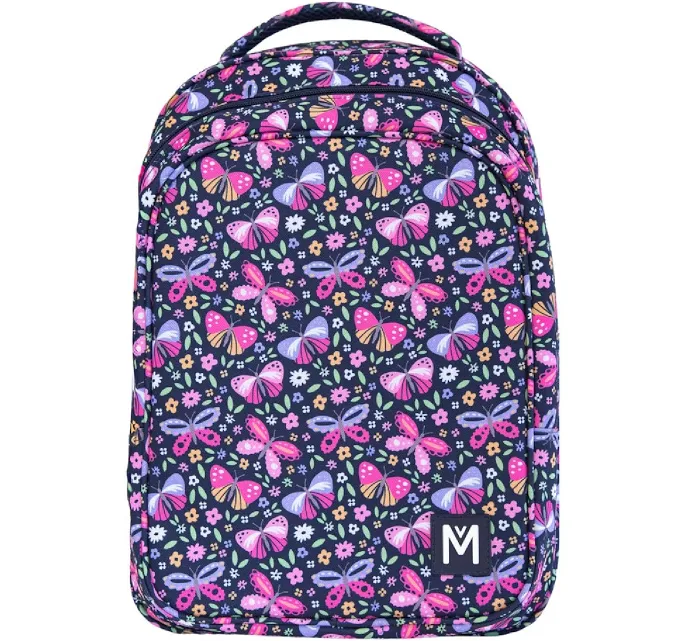
Now for the option the physios love. Ergonomic backpacks, from brands like Spencil, Alpha, Bobbleart, Montii Co, and Spartan School Supplies, are designed specifically to support growing spines and distribute weight properly.
These bags feature contoured padded back panels, wide adjustable straps, sternum and sometimes waist straps, and structured designs that hold their shape even when half-empty. In 2026, you’re looking at roughly $60–$100 AUD, with premium ergonomic ranges occasionally edging higher.
You’ll find these at specialty retailers, school uniform shops, and increasingly through stores like David Jones and Baby Bunting, as well as the brands’ own online stores.
Pros:
- Genuinely designed for spinal health and proper weight distribution
- Excellent durability, many last several years
- Structured shape protects contents and sits well on the back
- Often roomy enough for older primary and high school students
Cons:
- The highest upfront cost
- Designs can be more practical than exciting (though many now offer cute prints)
- May be more bag than a prep child actually needs
Best for: Kids carrying heavier loads (mid-to-upper primary and high school), children with back sensitivities, and families happy to invest once in a bag that goes the distance.
Side-by-Side Comparison Table
Here’s everything in one easy snapshot to help you compare at a glance:
| Option | Ergonomic Features | Durability | Design Appeal | Best For |
|---|---|---|---|---|
| Smiggle | Basic padding | Good | Excellent | Junior primary, light loads |
| Kmart / Big W / Target | Varies (some padded) | Fair to Good | Good (licensed prints) | Budget, multiple kids |
| Ergonomic (Spencil, Montii, etc.) | Excellent | Excellent | Good to Very Good | Heavier loads, older kids, back support |
As you can see, there’s no single “winner”, it really comes down to your child’s age, what they carry, and your budget.
Want to see how these stack up? We’ve reviewed 16 school essentials in total.
Don’t Forget the Kids Suitcase for Holidays
While we’re talking bags, it’s worth mentioning that many of these same brands offer a matching kids suitcase, perfect for school camps, family holidays, and weekends at Nan’s. A good kids suitcase takes the pressure off your child’s backpack and means they can proudly wheel their own gear through the airport.
Smiggle offers fun trolley-style suitcases and ride-on cases (around $80–$130 AUD), while Kmart and Big W have budget-friendly hardshell kids suitcases from about $29–$59 AUD. For something more durable, brands stocked at David Jones and luggage specialists offer sturdier ergonomic options.
My tip: if your child is heading off to their first school camp, choose a kids suitcase that’s easy for them to manage independently, lightweight, with a smooth-rolling wheel system and a handle at the right height. Bonus points if it matches their backpack, because matching luggage makes any kid feel very grown up.
mum.com.au Approved: Our Top Picks for 2026
After all the research, here are my honest, no-nonsense recommendations depending on what your family needs:
Best Overall: Ergonomic Backpack (Spencil or Montii Co)
If your child is in mid-to-upper primary or high school and carries a real load each day, an ergonomic backpack is worth every dollar. The spinal support, durability, and roominess make it the smartest long-term buy. Around $60–$100 AUD, but it’ll likely outlast cheaper bags two or three times over.
Best Value: Kmart or Big W Ergonomic-Style Backpack
For families watching the budget, or with several kids to outfit, the upper-range Kmart and Big W bags (around $20–$35 AUD) offer padded straps and backs at an unbeatable price. Easy to replace, widely available, and genuinely good quality these days.
Best for Happy Kids: Smiggle Classic Backpack
If your little one is in prep or junior primary, isn’t carrying much, and you want to see their face light up, Smiggle is a winner. Around $50–$70 AUD, and the matching accessories make back-to-school feel special.
✈ Best Kids Suitcase: Kmart Hardshell or Smiggle Trolley Case
For camp and holidays, a lightweight, easy-to-wheel kids suitcase from Kmart (from $29 AUD) does the job brilliantly without breaking the bank.
Frequently Asked Questions
What size backpack does my prep child need?
For a prep or kindergarten child, a small-to-medium backpack (around 30–35cm tall) is plenty. The bag should sit between their shoulders and waist, not hang down below their bottom. A smaller bag actually encourages lighter packing, which is better for little backs.
Are expensive ergonomic backpacks really worth it?
If your child carries heavy loads daily (think upper primary and high school), then yes, the spinal support and durability genuinely justify the cost. For a prep child carrying just a lunchbox and a reader, a quality budget or mid-range bag is perfectly fine. Match the bag to the load.
How do I get my child to wear both straps?
The one-shoulder slouch is so common! Choosing a backpack with a chest (sternum) strap helps, because it physically encourages both straps to stay on. Lead by example, keep the load light, and gently remind them that two straps means a comfy back. Most kids come around once the bag fits well.
When’s the best time to buy a school backpack in Australia?
The back-to-school sales typically run from early January, with retailers like Kmart, Big W, and Target releasing ranges late in the previous year. Popular designs sell out fast, so if your child has their heart set on something specific, shop early. End-of-year sales (November–December) can also snag bargains for the year ahead.
How do I clean a kids backpack?
Most fabric backpacks can be spot-cleaned with warm soapy water and a cloth. Empty all pockets, shake out the crumbs (there will be many!), and avoid putting structured or ergonomic bags in the washing machine, as it can ruin the padding. Air-dry out of direct sun to prevent fading.
The Bottom Line
Choosing the right kids backpack doesn’t have to be stressful. The truth is, there’s no single “best” bag, only the best bag for your child and your family’s needs. If you’ve got an older child lugging textbooks and a heavy water bottle every day, do your back-future-self a favour and invest in a quality ergonomic backpack. If you’re outfitting a houseful of kids on a budget, the Kmart and Big W ranges are genuinely impressive for the price. And if your prep-aged sweetheart has fallen head over heels for a sparkly Smiggle bag, there’s real joy in that too, and at light loads, it’ll serve them beautifully.
Whatever you choose, focus on the fit, keep an eye on that 10% body-weight rule, and encourage those two-strap habits early. Pair it with a matching kids suitcase for camps and holidays, and you’ve got back-to-school 2026 well and truly sorted. You’ve got this, mama, now go enjoy that cuppa.
Where to buy these picks
✓ Verified prices are checked live at the retailer. Otherwise we show the approximate RRP (an indicative recommended price, not a live retailer price), or “price pending” where we don’t have one.
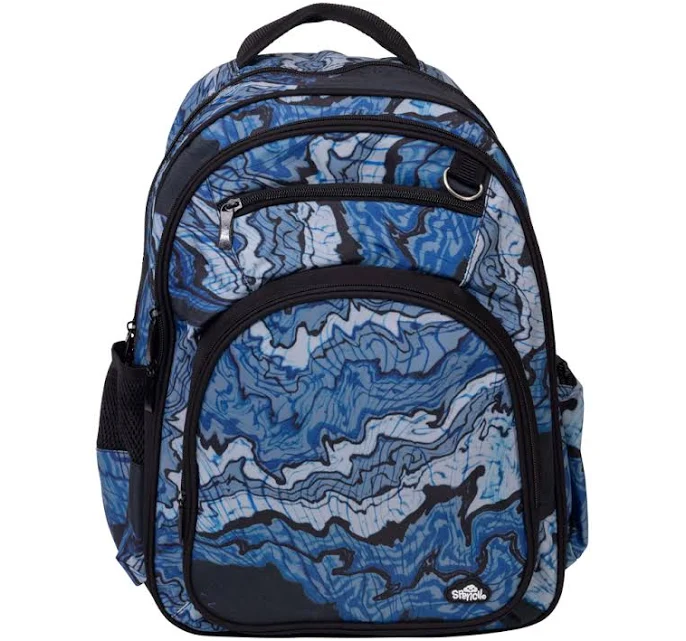
Spencil Ergonomic Backpack
★ Best for heavy loads
Montii Co Ergonomic Backpack
★ Best ergonomic design
The shortlist, in your inbox
New winners, price drops and recalls worth knowing.