
Spectra Breast Pump Review Australia 2026: S1 vs S2 — Which Should You Buy?
If you’ve been down the rabbit hole of breast pump research at 2am while feeding your little one, you’ve almost certainly stumbled across the Spectra name. And for good reason, these hospital-grade pumps have quietly become the go-to recommendation from Australian lactation consultants, midwives and mums who’ve tried just about everything else.
But here’s where it gets confusing: the Spectra S1 and S2 look almost identical, sound similar, and have prices that are close enough to make your head spin. So which one is actually right for you and your feeding journey here in Australia?
We’ve spent months researching both pumps, comparing prices across Baby Bunting, Big W and Chemist Warehouse, and digging into the real-world differences. Grab a cuppa, here’s everything you need to know about the Spectra breast pump in 2026, and our honest recommendation on which model suits which mum.
Price checked 12 Jul 2026
Why Australian Mums Are Choosing Spectra in 2026
Spectra is a South Korean brand that’s been around since 1999, but it really took off in Australian maternity wards and homes over the last few years. Walk into any lactation consultant’s office in Sydney, Melbourne or Brisbane and there’s a good chance you’ll spot a Spectra pump on the shelf.
What makes them stand out from competitors like Medela, Philips Avent and Tommee Tippee?
- Hospital-grade suction in a personal-use pump, meaning stronger, more efficient milk removal
- Closed system design that prevents milk backflow into the motor (hygienic and safer than open-system pumps)
- Whisper-quiet motor, a game-changer for nursery pumping or office expressing
- Adjustable suction and cycle speed independently, mimicking baby’s natural feeding rhythm
- ACCC-compliant and approved for sale through major Australian retailers
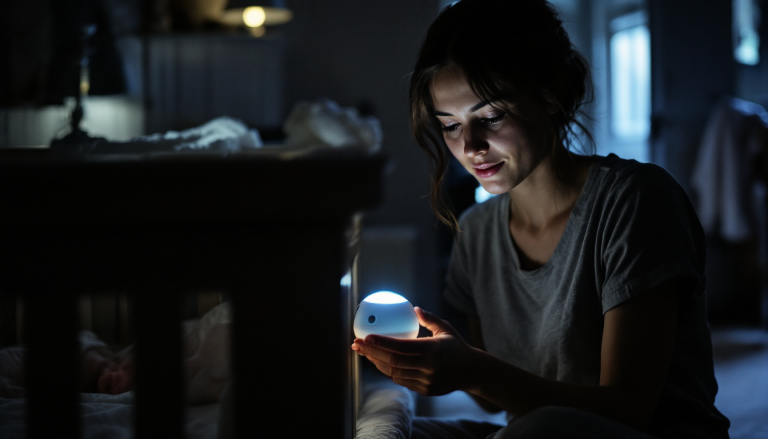
- Night light and timer built into the display (a tiny detail mums genuinely love at 3am)
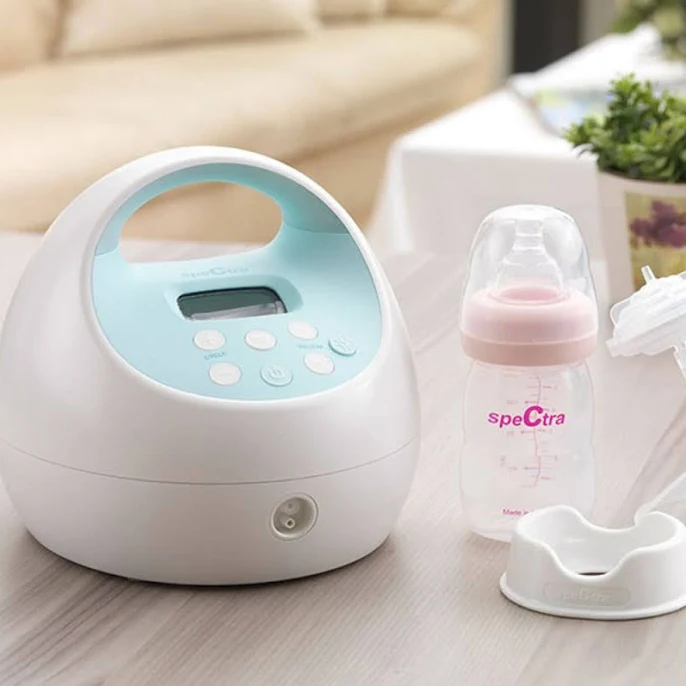
Both the breast pump Spectra S1 and S2 models share these features. The real differences come down to portability and price, which we’ll break down properly below.
Spectra S1 vs S2: The Key Differences at a Glance
Let’s cut through the marketing waffle. Here’s how the two pumps actually compare in 2026:
| Feature | Spectra S1 Plus | Spectra S2 Plus |
|---|---|---|
| Rechargeable battery | Yes (3+ hours per charge) | No, mains power only |
| Weight | 1.3kg | 1.2kg |
| Suction strength | Up to 270 mmHg | Up to 270 mmHg |
| Noise level | ~45 decibels (very quiet) | ~45 decibels (very quiet) |
| Closed system | Yes | Yes |
| Single or double pumping | Both | Both |
| Night light & timer | Yes | Yes |
| Colour | Blue | Cream/pink |
The short version? The S1 has a built-in rechargeable battery. The S2 doesn’t. That’s genuinely the main difference. Everything else, suction, hygiene, motor, accessories, is essentially identical.
Want to see how these stack up? We’ve reviewed 13 breastfeeding & pumps in total.
Spectra S1 Plus: The Portable Powerhouse
The Spectra S1 is the model we recommend for most Australian mums, and the breast pump Spectra S1 has built up a loyal following for one big reason: freedom. That internal battery means you can pump anywhere, in the car on the way back from a Sunshine Coast holiday, in a quiet corner at work, on the couch without being tethered to a power point, or out at a picnic in the park.
What we love about the S1
- True portability, 3+ hours of battery life means multiple pump sessions on a single charge
- Charges via standard cable, no fiddly proprietary chargers
- Identical suction to the S2, you’re not compromising on performance
- Perfect for returning to work, no scrambling for power points in shared spaces
- Great resale value, Spectra pumps hold their value well on Facebook Marketplace and Gumtree
The downsides
- Roughly $100 more expensive than the S2
- Slightly heavier (though we’re talking 100 grams)
- Battery will eventually degrade after years of heavy use (though most mums replace pumps before this matters)
Tip: Baby Bunting’s Click Frenzy and EOFY sales in late May/June 2026 historically bring the S1 down to its lowest price of the year. Worth waiting if you can.
Spectra S2 Plus: The Budget-Friendly Workhorse
Don’t let the lower price fool you, the Spectra S2 is the exact same pump as the S1 minus the battery. The motor, the suction strength, the closed-system hygiene, the quiet operation, all identical. If you’re going to be pumping primarily at home, plugged into a power point, the S2 is genuinely outstanding value.
What we love about the S2
- Save around $100 compared to the S1, money you can put toward storage bags, nursing bras or just nappies
- Identical hospital-grade suction, your pumping output won’t be any different
- Slightly lighter (1.2kg vs 1.3kg)
- Same gorgeous quiet motor, won’t wake the baby
- Perfect for exclusive home pumpers
The downsides
- No battery, you’re tethered to a power point
- Not ideal if you travel often or want to pump in the car
- Less flexibility if you return to work and your workplace doesn’t have convenient power outlets
Which Spectra Breast Pump Should You Buy?
Here’s the honest, no-nonsense breakdown based on your lifestyle:
Buy the Spectra S1 if you:
- Are returning to work and need to pump in different locations
- Travel frequently or take regular weekend trips
- Want to pump while moving around the house with a toddler in tow
- Plan to exclusively pump or pump long-term (6+ months)
- Live in a home where the most comfortable pumping spot isn’t near a power point
- Value flexibility and don’t mind paying ~$100 more for it
Buy the Spectra S2 if you:
- Will pump almost exclusively at home
- Are on a tighter budget (every dollar counts in that first year!)
- Already have a comfortable pumping setup near a power outlet
- Are a stay-at-home mum not planning to return to work soon
- Are pumping occasionally to build a small freezer stash rather than exclusively
Our honest take
For most Australian mums, we genuinely recommend the S1. The extra $100 buys you flexibility that you’ll appreciate on day one and every day after. Mums who buy the S2 sometimes regret it when they realise they’re stuck pumping in one spot. Mums who buy the S1 almost never regret the upgrade.
That said, if your budget is firm and you’ll be pumping at home, the S2 is a brilliant pump and you won’t be sacrificing any pumping performance whatsoever.
mum.com.au Approved: Our 2026 Spectra Recommendation
Best Overall: Spectra S1 Plus
Approximate price (2026): $429–$479 AUD
Best for: Working mums, frequent travellers, exclusive pumpers, and any mum who values flexibility
Why we approved it: The Spectra S1 hits the sweet spot of hospital-grade performance, genuine portability, whisper-quiet operation and a closed hygienic system. It’s a pump owners recommend, and after months of research we wholeheartedly agree.
Best Value: Spectra S2 Plus
Approximate price (2026): $329–$379 AUD
Best for: Stay-at-home mums, budget-conscious families, occasional pumpers
Why we approved it: Identical performance to the S1 at a noticeably lower price point. If you don’t need the battery, this is unbeatable value for a hospital-grade pump.
What’s in the Box and Accessories You’ll Need
Both the S1 and S2 come with a generous starter kit, but there are a few accessories worth adding to your shopping list.
Included in both boxes
- The pump motor unit
- Two 24mm breast shields (flanges)
- Two 28mm breast shields
- Two duckbill valves
- Two backflow protectors
- Two 160ml bottles with lids
- Tubing and power adapter
Accessories worth buying separately
- Correctly sized flanges, the included sizes don’t fit every mum. A free flange-fitting session with a lactation consultant is gold
- Spare duckbill valves, these wear out every 2–3 months and pumping output drops if you don’t replace them (~$15 for a pack from Baby Bunting)
- Hands-free pumping bra, a complete game-changer
- Milk storage bags, Haakaa or NUK bags from Chemist Warehouse work brilliantly
- Wearable cups (optional), third-party cups that work with Spectra pumps for hands-free, bra-only pumping
Real Talk: Tips From Australian Mums Who’ve Used Spectra
These are the tips Spectra owners pass on to other mums:
- Get your flange size checked. The default 24mm size doesn’t fit most mums. A correctly sized flange dramatically improves output and comfort.
- Use the let-down mode first. Start with the faster, lighter cycles to trigger let-down, then switch to expression mode with stronger, slower suction. This mimics baby’s natural feeding pattern.
- Don’t crank the suction to maximum. More suction doesn’t mean more milk, it just means more pain. The sweet spot is the highest level that’s still completely comfortable.
- Clean the backflow protectors properly. They protect the motor but can grow mould if not dried thoroughly between uses.
- Pump in the morning for biggest yields. Milk supply is naturally highest in the early hours.
- Buy spare parts before you need them. Duckbill valves and tubing wear out, and you don’t want to be stuck without them.
Spectra vs Other Popular Pumps in Australia
To give you the full picture, here’s how Spectra stacks up against other pumps you’ll see at Baby Bunting and Chemist Warehouse in 2026:
| Pump | Type | Best for |
|---|---|---|
| Spectra S1 Plus | Hospital-grade, portable | Most mums, working mums |
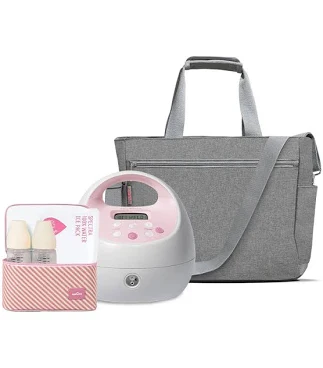
| Spectra S2 Plus | Hospital-grade, mains-powered | Home pumpers, budget-conscious |
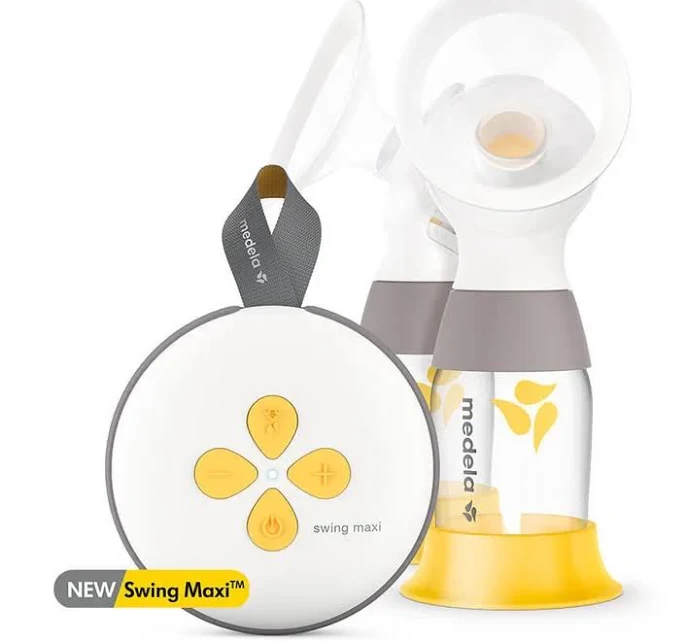
| Medela Swing Maxi | Personal double electric | Mums who prefer the Medela ecosystem |
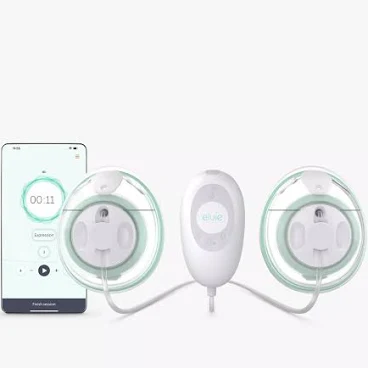
| Elvie Stride | Hands-free wearable | Maximum portability, premium budget |
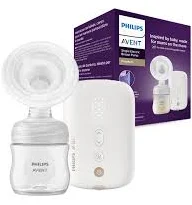
| Philips Avent Single Electric | Single electric | Very occasional pumping only |
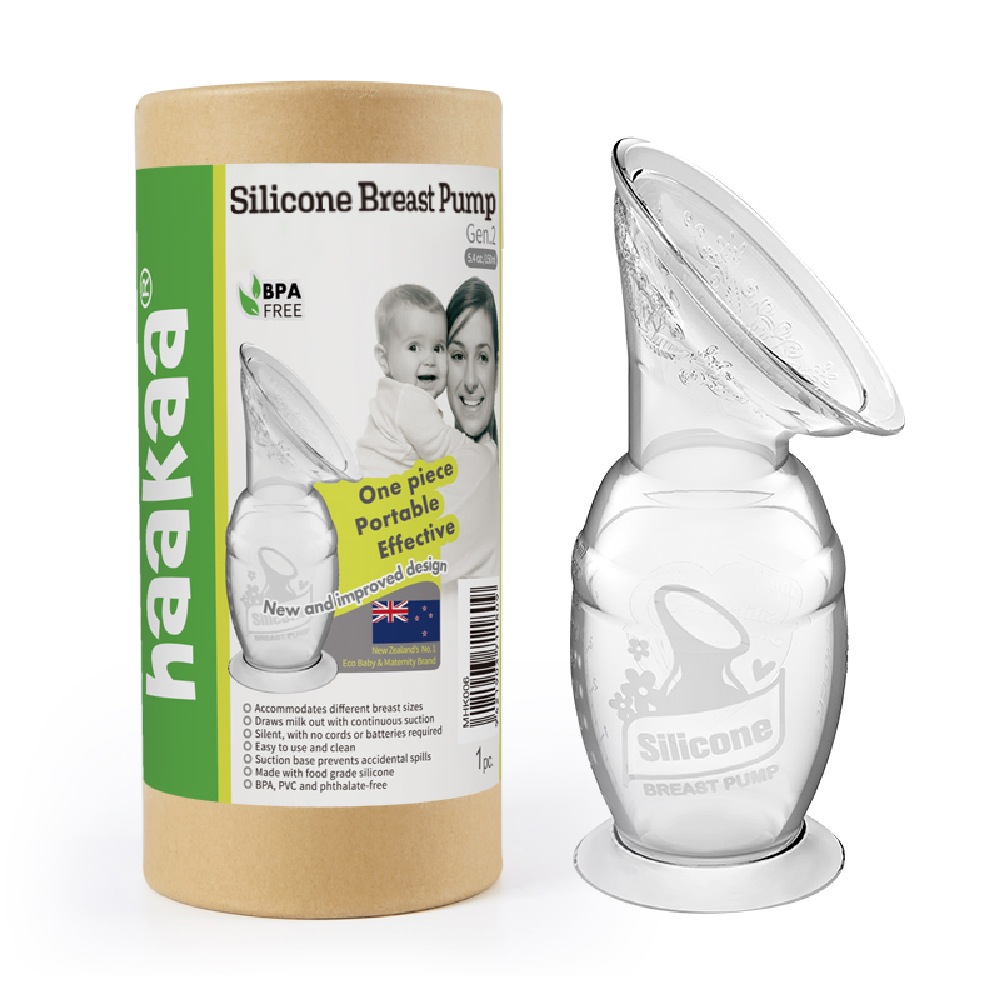
| Haakaa Silicone Pump | Manual suction cup | Catching let-down, not regular pumping |
Spectra consistently offers the best combination of hospital-grade suction, quiet operation and price in the Australian market. It’s why so many lactation consultants recommend it first.
Our top pick across the board for most Australian families.
Price checked 12 Jul 2026
The value choice when you want the essentials without overspending.
The splurge pick if you want the most features and finish.
Frequently Asked Questions
Is the Spectra breast pump covered by Medicare or private health insurance in Australia?
Medicare doesn’t cover breast pumps directly, but many Australian private health funds offer rebates on breast pumps as part of their extras cover or new-parent benefits. Check with HCF, Bupa, Medibank or NIB, some offer rebates of $100–$300. You’ll usually need a receipt from an authorised Australian retailer like Baby Bunting or Chemist Warehouse.
Can I use the Spectra S2 with a portable power bank to make it portable?
Some mums do try this, but Spectra doesn’t officially recommend it and it may void your warranty. If portability matters to you, save yourself the hassle and just buy the S1, the battery is engineered specifically for the pump and is far more reliable than a workaround.
How long do Spectra pumps last?
Spectra motors are designed to last through multiple babies, many Australian mums use the same pump across two or three children with no issues. The pump itself is single-user rated for hygiene reasons, but mechanically they’re built to last. Just replace the duckbill valves, backflow protectors and tubing periodically.
Is the Spectra S1 quiet enough to use while baby sleeps in the same room?
Yes, this is one of the standout features. At around 45 decibels, it’s quieter than a normal conversation and won’t typically wake a sleeping baby. Many mums pump in the nursery while their little one naps without any issue.
What flange size should I order with my Spectra pump?
The pump comes with 24mm and 28mm flanges, but research shows most mums actually need a smaller size (often 17mm–21mm). Book a quick session with an Australian Breastfeeding Association counsellor or a private lactation consultant for a proper fitting, it makes an enormous difference to comfort and milk output.
The Bottom Line: Our 2026 Verdict
If you’re investing in a breast pump in 2026, the Spectra range is genuinely one of the smartest choices you can make. Hospital-grade suction, whisper-quiet motors, a hygienic closed system and a price point that’s accessible compared to wearable competitors, it’s no wonder Australian lactation consultants recommend it again and again.
Our final recommendation: buy the Spectra S1 Plus if you can stretch the budget. The battery alone transforms how and where you can pump, and owners consistently report it’s the feature they appreciate most after a few weeks of use. The breast pump Spectra S1 has become the gold standard for working Australian mums for good reason.
If budget is genuinely tight or you know you’ll only ever pump at home, the Spectra S2 Plus is an outstanding pump and you absolutely won’t be compromising on suction or milk output. You’ll just be tethered to a power point.
Whatever you choose, remember: the best pump is the one that works for your life. Pumping is hard work, and you’re doing an amazing job feeding your little one however you’ve decided to do it. Sending warm wishes for your feeding journey from all of us at mum.com.au.
What is a Spectra breast pump?
A Spectra breast pump is a South Korean designed, hospital grade electric breast pump built for personal use, known for its strong adjustable suction, closed system hygiene design and whisper quiet motor. In Australia, the two most popular models are the Spectra S1 Plus and Spectra S2 Plus, which share the same suction strength, noise level and closed system technology but differ mainly in portability, with the S1 offering a rechargeable battery and the S2 running on mains power only, typically at a slightly lower approx. RRP.
Where to buy these picks
✓ Verified prices are checked live at the retailer. Otherwise we show the approximate RRP (an indicative recommended price, not a live retailer price), or “price pending” where we don’t have one.
Spectra S1 Plus
★ Best value double pump
All 5 prices we track for this pick
- The Thrifty Mumma $26.95 checked 7 Oct 2026
- Baby Little Planet $26.95 checked 7 Oct 2026
- Baby Village $26.99 checked 7 Oct 2026
- Baby Bunting $29.95 checked 4 Oct 2026
- Baby Zone $29.99 checked 7 Oct 2026
Philips Avent Single Electric
Best for rare pumping
Spectra S2 Plus
Best for home pumping
Medela Swing Maxi
Best for everyday expressing
Elvie Stride
Best for portability
The shortlist, in your inbox
New winners, price drops and recalls worth knowing.